





First, What Is a Content House?
Before we get to the soccer part, let's nail down the basics. The concept of a 'content house' isn't new; it's a model born from the YouTube and TikTok era. Essentially, a group of social media creators are brought together to live in one physical location—often
a lavish mansion—with the explicit purpose of producing a constant stream of content. Think of it as a reality TV show, but the cast members are also the writers, directors, and broadcasters, and the network is their collective social media following. The early blueprint was set by collectives like the Hype House and Sway House, which turned young influencers into household names by concentrating their creative energy and cross-promoting their audiences. The goal is simple: create a whirlwind of content that dominates social media feeds.
The 'Ridiculous' Perception
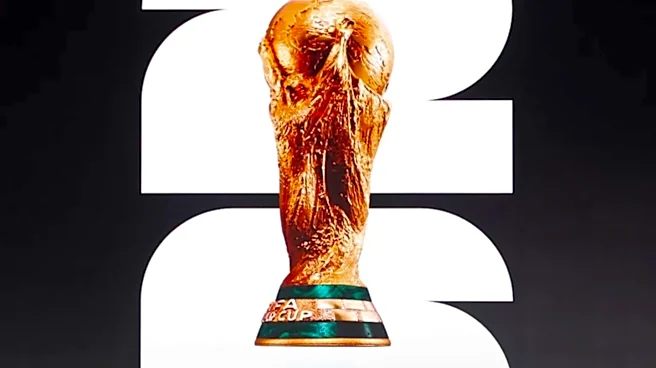
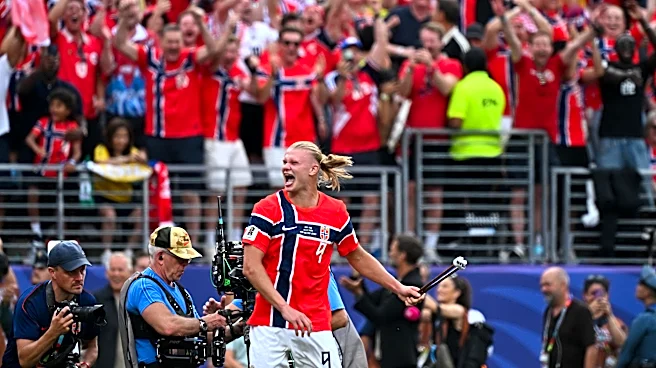
Now, apply that concept to the FIFA World Cup, a tournament steeped in decades of tradition, national pride, and athletic gravitas. The idea of a 'World Cup Content House' can feel jarring. It conjures images of influencers doing viral dances in team jerseys and turning deeply felt sporting moments into trending audio clips. For many traditional sports fans, the fusion seems almost sacrilegious. It pits the perceived authenticity and grit of world-class athletics against the seemingly manufactured and often frivolous world of online creators. This clash of cultures is where the skepticism lies. Is a high-stakes penalty shootout just background scenery for a sponsored post? Does it cheapen the sport?
Why They Absolutely Happen
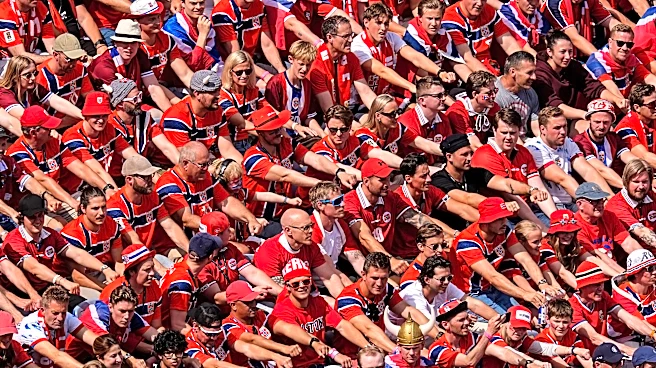
Here’s the twist: these houses happen because they are extraordinarily effective. Brands and even governing bodies like FIFA aren't just tolerating this trend; they are actively encouraging it. Why? Because the way fans consume sports has fundamentally changed. Younger audiences, in particular, are less likely to sit through a 90-minute match on traditional television but will devour hours of content on TikTok, YouTube, and Instagram. Influencers provide something official broadcasters often can't: a relatable, personal, and constant stream of behind-the-scenes content that feels authentic to their followers. A creator sharing their genuine reaction to a goal or documenting their journey to a stadium connects with fans on a personal level. For brands, sponsoring a content house is a direct line to millions of highly engaged, targeted consumers who are notoriously difficult to reach with conventional advertising.
The 2026 Blueprint: North America's Influencer World Cup
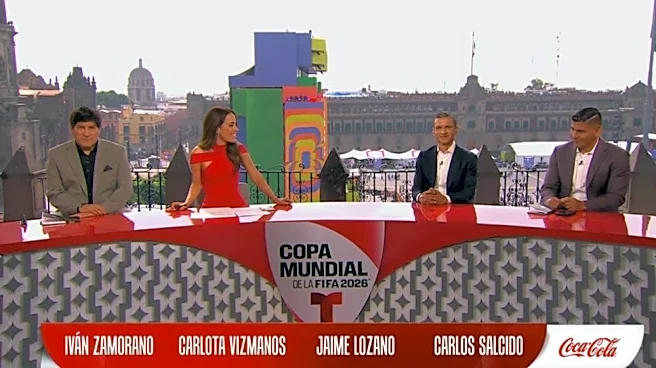
The 2026 World Cup, hosted across the U.S., Canada, and Mexico, is poised to be the biggest stage for this phenomenon yet. FIFA itself has already partnered with TikTok, selecting 30 creators as official "Creator Correspondents" to provide fan-first storytelling. This isn't a sideshow; it's a core part of the media strategy, designed to make the tournament feel immediate and accessible to a global, digital-native audience. Brands are following suit. Luxury labels like Dior and mainstream companies are bypassing massive official sponsorship fees and instead investing in creators who can integrate their products into the cultural conversation around the tournament. Expect to see brand-sponsored viewing parties, influencer-hosted events in host cities, and a deluge of content that blends sports, travel, fashion, and lifestyle—all broadcast from the nerve center of a dedicated content house.