




A Cinephile's Mountain Retreat
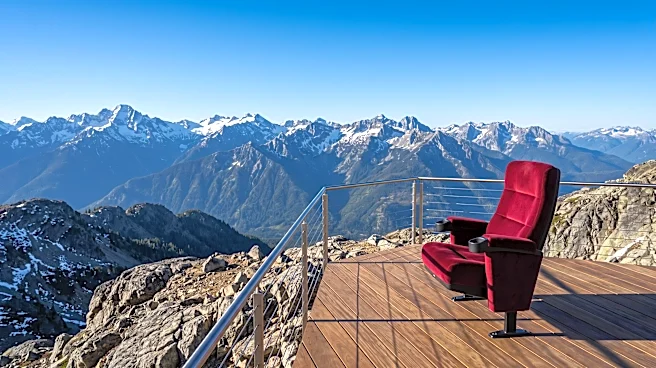
When the Telluride Film Festival was founded in 1974, the vision was clear and radical in its simplicity. Co-founders like Bill and Stella Pence, Tom Luddy, and James Card envisioned an event dedicated not to commerce, but to the love of cinema. It was designed
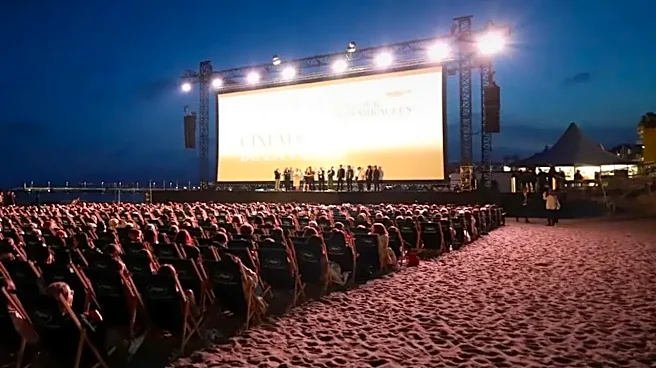
as a non-competitive celebration, a place for passionate film lovers to gather and immerse themselves in the art form. The program famously remains a secret until the festival begins, a tradition built on blind faith that attendees will see something special, from forgotten classics to bold new works. With no red carpets and no awards, the focus was meant to be on the films themselves and the conversations they sparked—a humble, spiritual escape for those who genuinely love movies.
The Birth of an Awards Bellwether
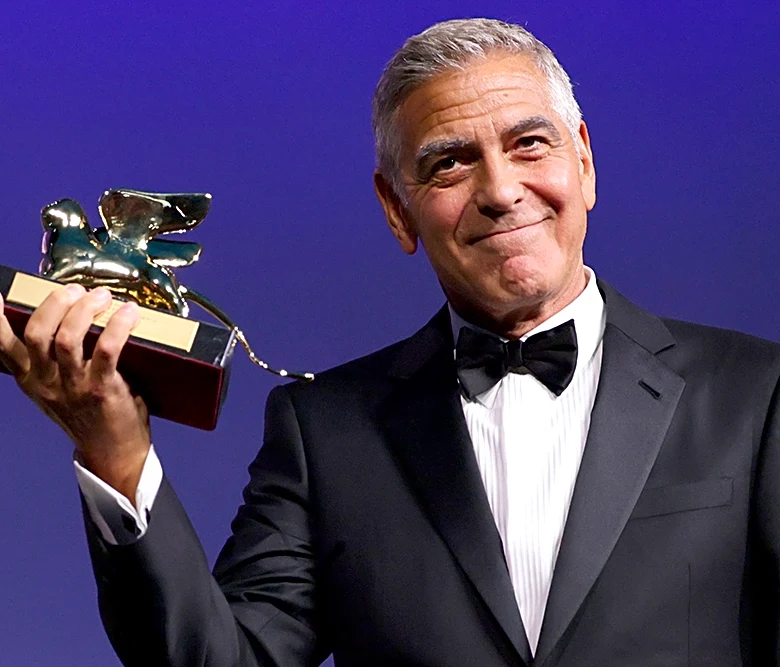
Over the decades, something else began to happen. The festival's knack for picking gems and its strategic spot on the calendar—just before the Toronto and New York film festivals—turned it into an unintentional but powerful launchpad for awards season. Film historian Jeffrey Ruoff noted that "early buzz at Telluride opens the fall season of North American award speculation that climaxes with the Oscars." Films like "Brokeback Mountain," "Slumdog Millionaire," "Moonlight," and "Nomadland" all received crucial early momentum in the thin mountain air. Suddenly, this intimate gathering was playing a key role in a multi-million dollar industry, and the national conversation shifted from Telluride's eclectic curation to its Oscar-predicting prowess.
When Buzz Drowns Out the Program
The problem with being an awards-season oracle is that the buzz can become deafening. The festival's identity as a place for discovery is threatened when industry insiders and journalists descend with a single-minded focus: spotting the handful of films with Oscar potential. This laser focus can overshadow the dozens of other films that make up Telluride's rich and diverse slate, including vital retrospectives and international discoveries. The experience risks shifting from one of communal appreciation to one of frantic prognostication. The quiet tributes to film preservationists and historians—a core part of the festival's DNA—can get lost amid the noise of who's up and who's down in the Best Picture race. The conversations in line become less about the art and more about the odds.
A Festival at a Crossroads
No one can deny that the awards spotlight brings benefits, including media attention and the ability to attract major talent. But it forces a difficult question: can the festival serve two masters? Can it remain a pure, unpretentious "celebration of the best in film—past, present and future" while also serving as the unofficial, high-stakes kickoff to the Oscar race? The organizers take great pains to emphasize its non-competitive nature, programming tributes to film historians and guest directors to champion overlooked cinema. Yet the external narrative is increasingly dominated by the awards horse race. As the 2026 festival unfolds, the tension is palpable. The very thing that made Telluride special—its isolation from commercial pressures—is being eroded by the commercial incentives of the industry it serves.