


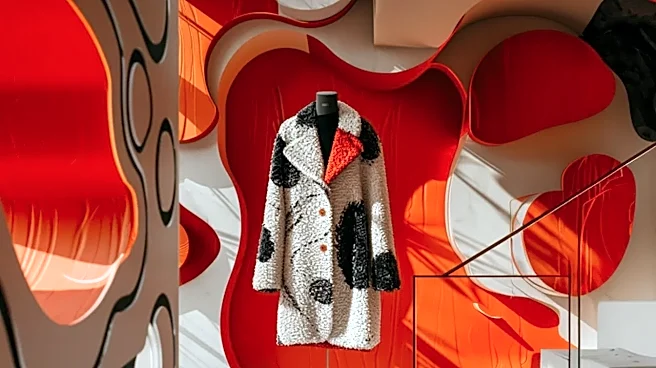


Tired of the same old style advice to 'match your belt to your shoes?' Building a truly stylish wardrobe is less about strict rules and more about telling a compelling color story. It's time to graduate from matching to creating a mood.
Start with a 'Hero' Piece
Every great story
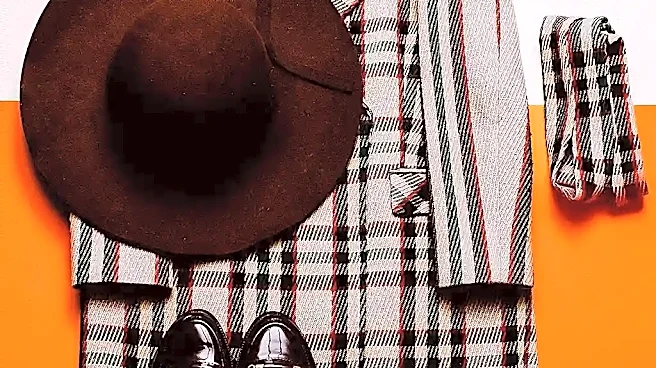
needs a protagonist. In your outfit, this is your 'hero' piece—the one item you want to build your look around. It could be a boldly patterned scarf, a vibrant jacket, or a pair of jewel-toned trousers. This single garment will serve as your guide. The colors within your hero piece, whether it's a print or a single striking hue, provide the palette for the rest of your outfit. Pull colors from it to inform your other choices, which ensures a cohesive look without being perfectly matched.
Embrace Tonal Dressing
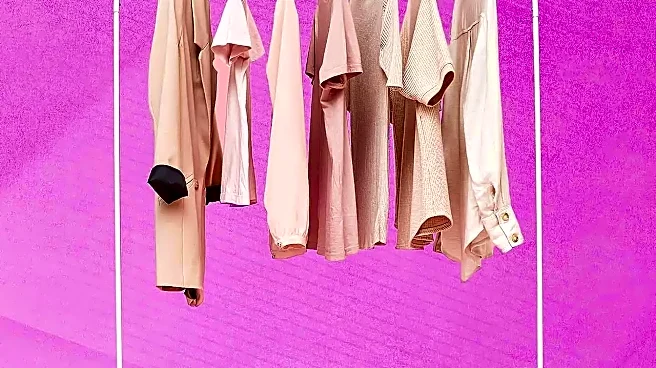
One of the most sophisticated ways to create a color story is through tonal dressing. This involves layering different shades, tints, and textures of a single color. Think of a head-to-toe look in varying shades of camel, gray, or even a more daring burgundy. The key is to mix fabrics and finishes—a chunky knit sweater with silk pants, or a smooth leather jacket over a cotton top. This variation in texture adds depth and prevents the outfit from looking flat or one-dimensional, creating an effortlessly chic and elongated silhouette.
Consult the Color Wheel (Loosely)
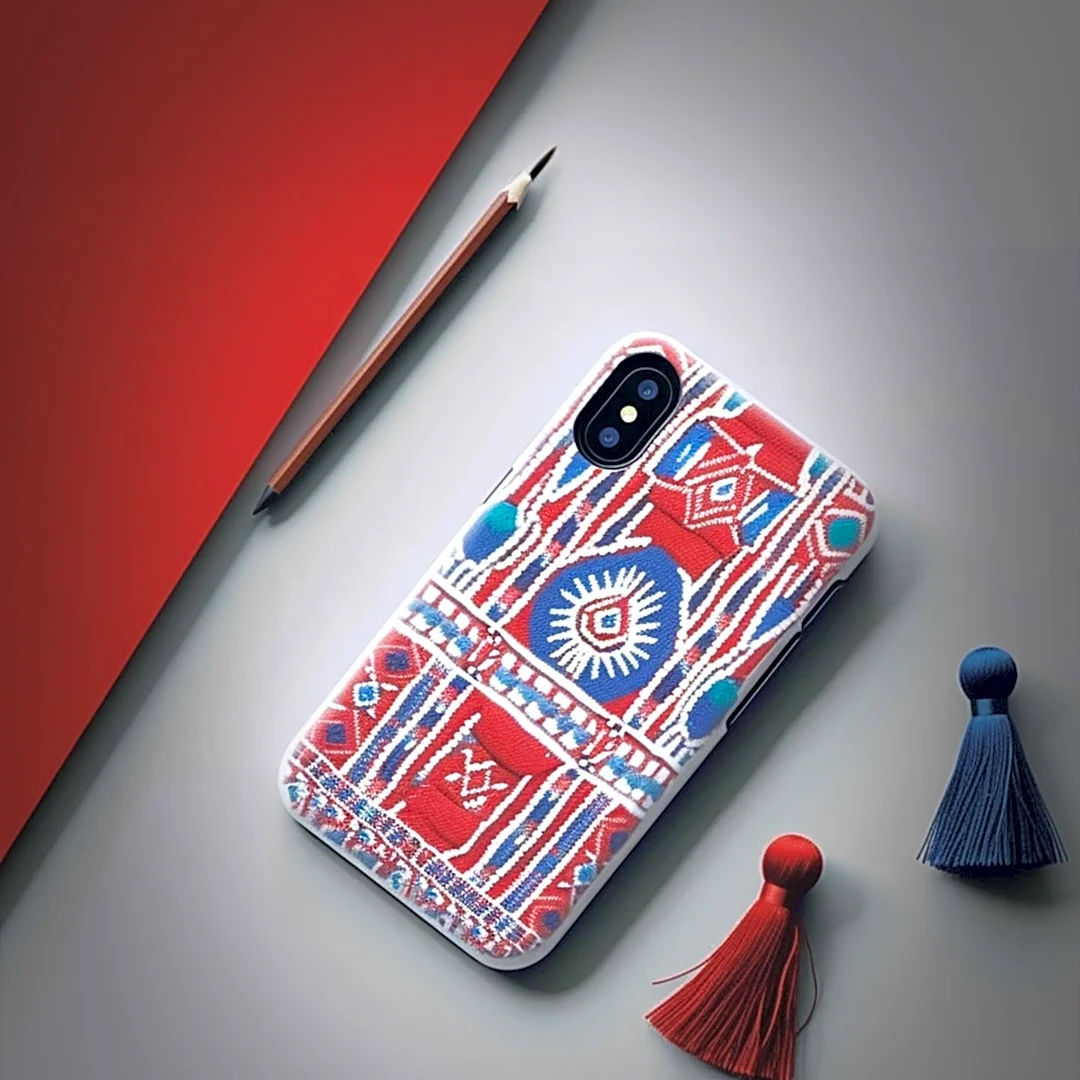
You don’t need a degree in art theory, but a basic understanding of the color wheel is a powerful tool. Instead of random pairings, consider two simple concepts: analogous and complementary colors. Analogous colors sit next to each other on the wheel (like blue and green), creating a harmonious and pleasing look. Complementary colors are opposites (like blue and orange) and create a bold, high-contrast statement. Using a muted version of a complementary color—like olive green with red—can create a sophisticated pop without being overwhelming.
Apply the 60-30-10 Rule
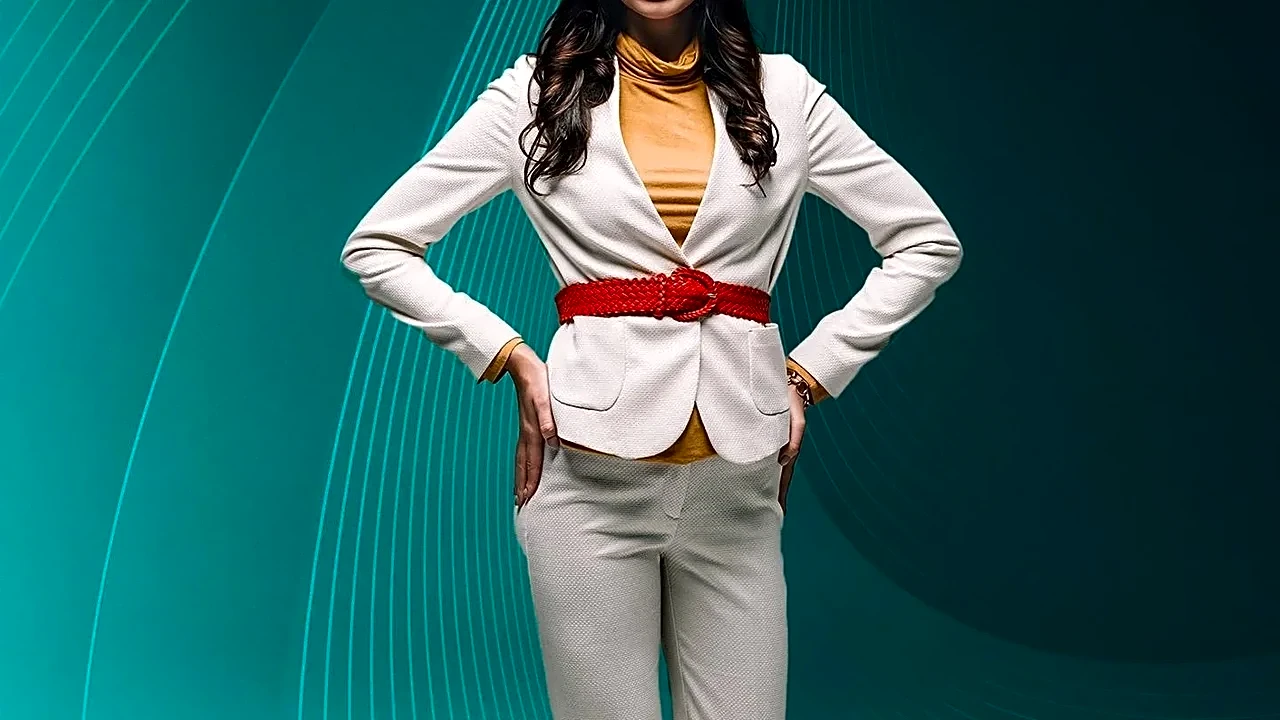
Borrowed from interior design, the 60-30-10 rule is a game-changer for creating balanced outfits. The idea is to use three colors in varying amounts: 60% of your look is a dominant color (like a suit or dress), 30% is a secondary color (like a shirt or handbag), and 10% is an accent color (a scarf, shoes, or a pop of lipstick). This formula ensures that your outfit has visual interest and balance without feeling chaotic. The dominant color sets the tone, the secondary color adds depth, and the accent provides that final, memorable touch.
Leverage Your Neutrals
Neutrals like black, white, gray, beige, and even navy are the supporting cast that allows your color story to shine. They act as a canvas, providing a calming backdrop that can ground a bolder palette. Don't think of them as boring; think of them as strategic. A pair of white sneakers can freshen up a combination of bright colors, and a classic black blazer can add structure and polish to an otherwise vibrant look. Use neutrals to break up bold colors or to give the eye a place to rest, ensuring your color story feels intentional, not overwhelming.