
The Allure of the Perfect Copy
For outsiders, the goal of cosplay seems simple: look as much like the character as possible. This notion of 'accuracy'—matching every color, seam, and silhouette from the source material—is certainly
a valid and respected approach within the hobby. Some competitions even have specific awards for it. It’s a discipline that requires a keen eye and dedication to replication. The satisfaction of becoming a living, breathing version of a character from a beloved film or video game is a powerful motivator, and fans definitely appreciate the effort it takes to nail every single detail. But focusing only on accuracy misses the bigger picture and the deeper language spoken by the community.
The Silent Language of Craftsmanship
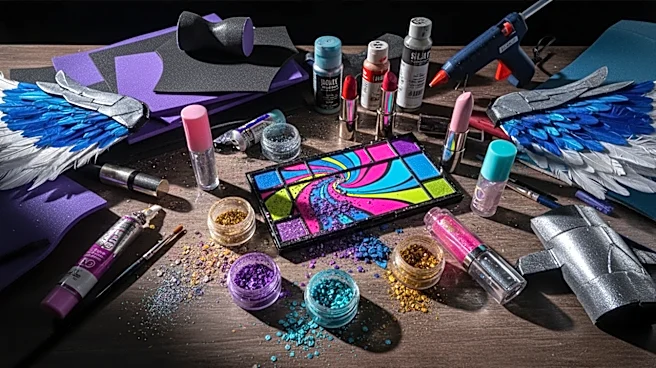
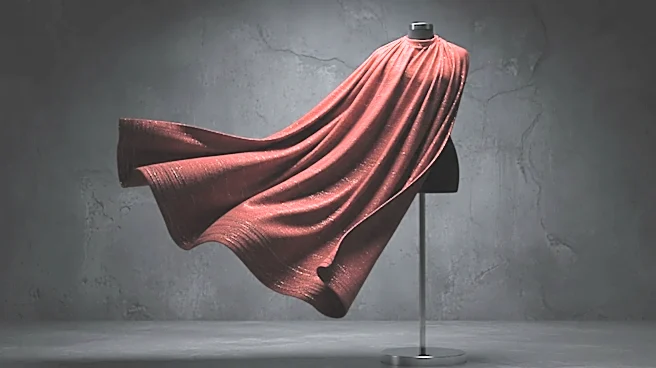
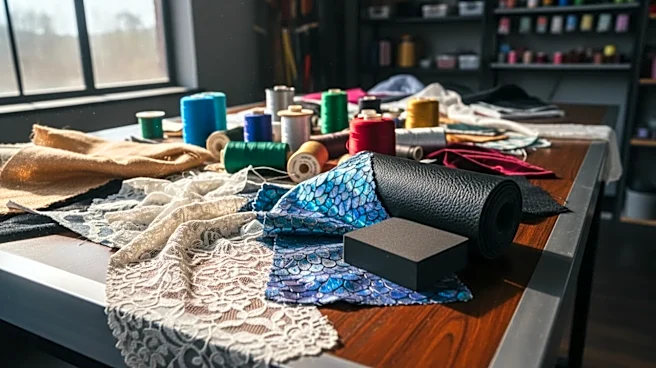
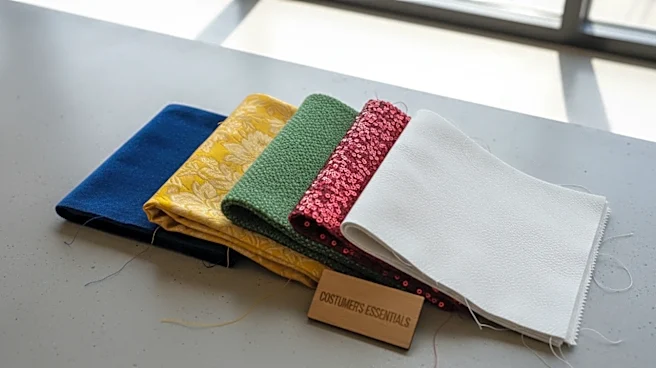
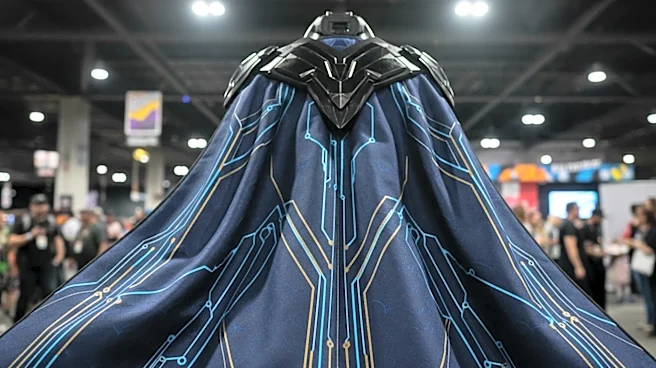
Before an audience even registers how accurate a costume is, they are subconsciously reading its craftsmanship. This is the true measure of a cosplayer's skill and dedication. It's visible in the clean, straight seams of a tailored jacket, the seamless finish on a prop sword, or the complete absence of glue marks on a piece of intricate armor. Craftsmanship is a universal language of effort. Did the creator use high-quality fabric that drapes correctly, or did they opt for cheap satin? Is that armor made from expertly shaped foam, or is it flimsy cardboard? These are the details that scream expertise. Experienced viewers and judges can see the hours of labor, the variety of techniques used—from sewing and 3D printing to foam smithing and wig styling—and the overall level of difficulty undertaken. It’s an appreciation for the process and the maker, not just the final product.
When Interpretation Trumps Replication
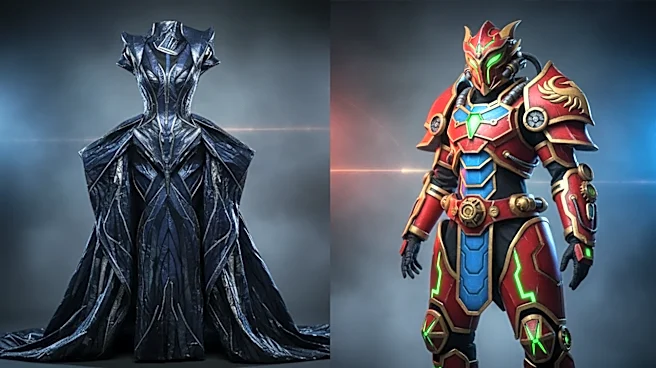
The highest praise in cosplay is often reserved not for the perfect copy, but for the brilliant interpretation. A growing movement within the community treats cosplay as a form of artistic adaptation rather than simple mimicry. This is where craftsmanship truly shines. Cosplayers are lauded for putting their own creative spin on a character, whether it's a historical reimagining of a superhero, a gender-swapped version of a video game protagonist, or a high-fashion take on an anime villain. These interpretations allow for immense creativity in material choice, silhouette, and construction that a purely accurate build might not. Choosing to lengthen a top for comfort, using a different fabric for a more dramatic effect, or redesigning an element to fit the cosplayer's own style are all celebrated choices. This shows that the community values the artist’s vision and personal expression as much, if not more than, their ability to replicate.
How the Judges See It
Nowhere is the preference for craft more codified than in official cosplay competitions. Look at the judging criteria for almost any major convention, and you'll find 'craftsmanship' as a top, if not the highest-weighted, category. Judges, who are often accomplished cosplayers themselves, conduct up-close pre-judging inspections specifically to evaluate build quality. They examine seams, paint jobs, and material choices, asking detailed questions about the construction process. While accuracy or 'fidelity' is usually a separate criterion, it often shares the stage with originality and level of difficulty. A flawlessly executed original design built with challenging techniques will almost always score higher than a simple, store-bought costume, even if the latter is technically 'accurate'. This formalizes the community's unspoken rule: how you made it matters more than what you made.