









Every October, the debate rages: which horror franchise should you marathon? But after the dozenth sequel, the scares get stale. This year, try a different approach. Build your movie night around an auteur for a richer, more cohesive scare-fest.
The Master of Dread: John Carpenter
No director
is more synonymous with the synthesizer-scored dread of the late '70s and '80s than John Carpenter. A marathon of his work is a lesson in tension, minimalist horror, and the terror of the unseen. Carpenter is a master of the wide frame, using the edges of the screen to suggest threats long before they appear. His protagonists are often cynical anti-heroes, forced into situations far beyond their control. For a perfect Carpenter night, start with the film that arguably perfected the slasher genre: 'Halloween' (1978). Its deliberate pacing and the sheer unknowability of Michael Myers are still terrifying. Follow it with his magnum opus of paranoia, 'The Thing' (1982). The practical effects are legendary, and the mounting distrust among the arctic researchers is a masterclass in psychological horror. If you're still standing, end the night with the cosmic, mind-bending horror of 'In the Mouth of Madness' (1994), a film that questions the very nature of reality and fiction.
The Modern Prophet of Social Horror: Jordan Peele
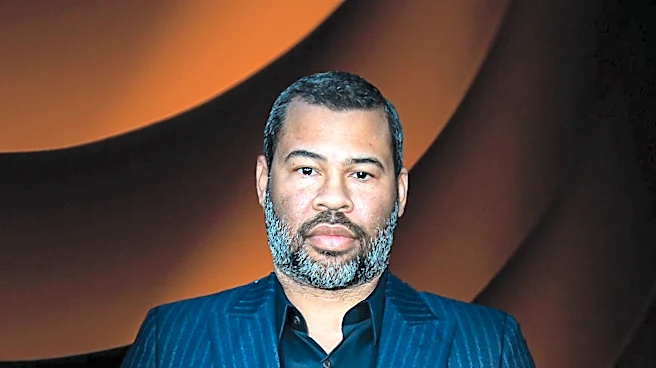
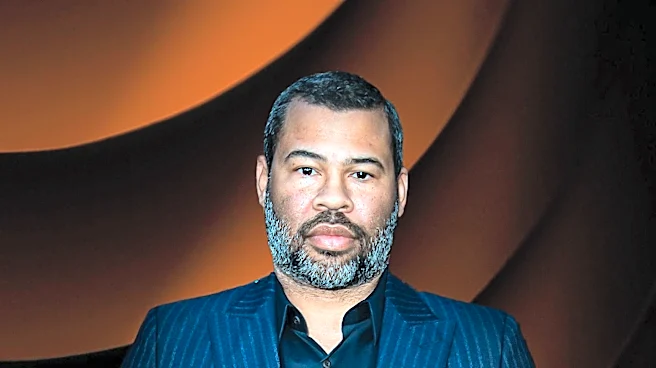
In just three films, Jordan Peele has established himself as one of the most vital voices in modern horror. His movies are more than just scary; they're 'social thrillers' that use genre conventions to dissect race, class, and the American psyche. A Peele marathon is perfect for those who want their horror to leave them thinking long after the credits roll. Begin with his game-changing debut, 'Get Out' (2017). It’s a sharp, terrifying, and darkly funny look at liberal racism that earned him an Oscar for Best Original Screenplay. Next, delve into the chilling doppelgänger dread of 'Us' (2019), a film that explores the darkness we hide within ourselves and the societal structures that keep it buried. Conclude with the spectacle and terror of 'Nope' (2022), his sci-fi horror epic that examines our obsession with capturing and profiting from tragedy. Together, these films form a powerful trilogy about the monsters we create and ignore.
The Architect of Grief and Trauma: Ari Aster
An Ari Aster marathon is not for the faint of heart. His films are grueling, emotionally devastating experiences that explore the darkest corners of family trauma, grief, and codependency. He specializes in a brand of sun-drenched, folk, and psychological horror where the true monsters are often painfully human. If you're ready to be emotionally wrecked, start with 'Hereditary' (2018). It’s a relentless dive into a family’s disintegration after a tragedy, featuring one of the most talked-about performances in modern horror. Then, brace yourself for 'Midsommar' (2019), the ultimate 'breakup movie' set within a Swedish pagan cult. It’s a film that weaponizes broad daylight, turning a flower-filled paradise into a vibrant, colorful nightmare. Watching these two back-to-back is an exercise in endurance that reveals a filmmaker obsessed with the terrifying ways people process—or fail to process—unbearable pain.
The King of Body Horror: David Cronenberg
If psychological dread isn't visceral enough for you, then it's time to turn to the undisputed master of body horror, David Cronenberg. For decades, his films have explored the grotesque and fascinating intersection of flesh, technology, and desire. A Cronenberg marathon is a journey into the uncanny, filled with stomach-churning practical effects and provocative ideas. A great starting point is 'Scanners' (1981), famous for its iconic, head-exploding psychic warfare. From there, move to his tragic and disgusting masterpiece, 'The Fly' (1986). It’s as much a heartbreaking romance as it is a showcase for some of the most horrifying practical effects ever put to film. To complete the thematic trilogy of flesh and media, end with 'Videodrome' (1983), a prescient and bizarre exploration of how media can infect and transform the human body. Long live the new flesh!