







The Anchor of Simplicity
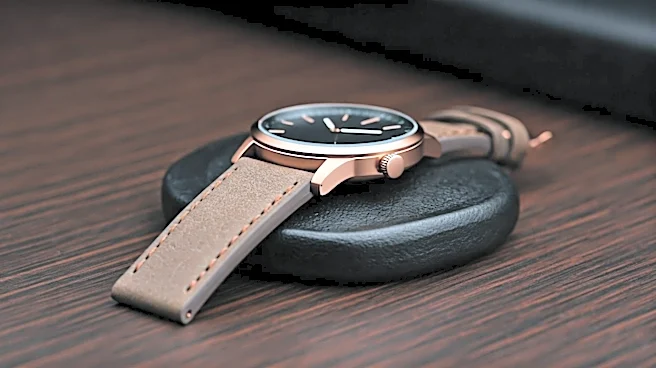
Think of a minimalist watch not as a face with a band, but as a single, cohesive object. The strap is the visual foundation that anchors the entire piece. In minimalist design, the golden rule is “form follows function.” The strap’s primary function is to
secure the watch, so its form should be an elegant expression of that purpose—nothing more. A bulky, over-designed strap with excessive stitching or padding immediately undermines a simple watch face, creating visual conflict. A clean, well-proportioned strap does the opposite. It allows the eye to appreciate the watch as a whole, reinforcing the sense of intentionality and quiet confidence that defines the entire minimalist ethos. It’s the silent partner to the dial, working to create a unified and uncluttered silhouette on the wrist.
Material as a Quiet Statement
Minimalism isn't about being boring; it's about celebrating substance. The material of your watch strap is a primary way to communicate taste and texture without resorting to loud patterns or logos. Each choice tells a different story. A smooth, unstitched leather strap in black or brown speaks to a classic, almost architectural elegance. It’s refined and timeless. A fabric strap, like a single-pass NATO in a solid color, leans into a more utilitarian, modern aesthetic—functional, casual, and effortlessly cool. Then there's the metal mesh, or Milanese loop, which offers a unique blend of structure and fluidity. Its woven texture adds visual interest and a touch of mid-century sophistication without feeling ornamental. The key is that the material itself becomes the focal point, appreciated for its inherent quality rather than for any embellishment added to it.
The Power of a Muted Palette
Color in minimalist styling is about harmony, not high-contrast drama. A watch strap’s color is your opportunity to integrate the accessory seamlessly into your wardrobe. The most effective minimalist straps stick to a versatile, muted palette: black, various shades of brown, tan, gray, navy, and olive green. These colors don't shout for attention. Instead, they complement the metals of the watch case—silver, gold, or black—and work with nearly any outfit. A bright red or neon yellow strap becomes the main character, turning your watch into a novelty item. A sober tan leather or gray nylon strap, however, acts as a supporting actor. It supports the overall look, contributing to a sense of calm and cohesion. This deliberate choice of a non-color is, paradoxically, one of the strongest statements you can make.
Hardware: The Unsung Hero
Here’s the truly “hidden” part: the hardware. The buckle, the keepers (the little loops that hold the strap end down), and the spring bars are tiny details that can make or break the minimalist illusion. On a truly minimalist strap, the hardware is discreet, functional, and visually consistent. The buckle should be simple and proportional to the strap width—never oversized or ostentatiously branded. Its finish, whether polished, brushed, or matte, should match the watch case perfectly. This creates a sense of design integrity, suggesting the watch and strap were conceived as one. When the hardware is an afterthought—a cheap, shiny buckle on a matte case, or a thick, chunky clasp on a thin strap—it introduces a jarring note of carelessness that is fundamentally at odds with the intentionality of minimalism.