




The Fabric: It Starts with the Wool Itself
The most immediate difference is the feel of the fabric. A mid-range coat, often priced from $300 to $700, typically uses a wool blend. You’ll see labels listing 60-80% wool mixed with synthetic fibers like polyester or nylon. This isn't necessarily a bad
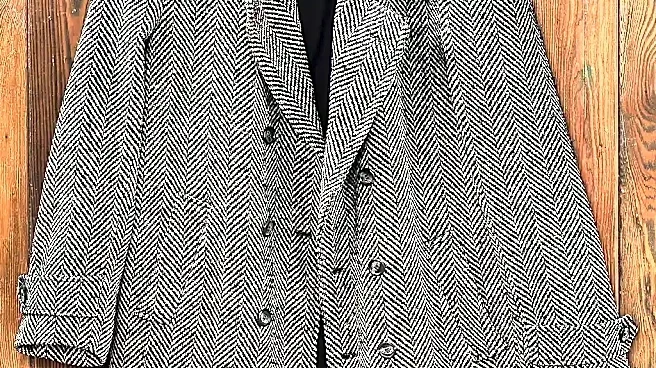
thing; a small amount of synthetic material can add durability and wrinkle resistance. However, the wool itself might be made from shorter fibers, which can be more prone to pilling over time. Premium brands, conversely, prioritize a higher wool content—often 100% virgin wool or luxurious blends with cashmere or alpaca. These coats use long-staple fibers, which create a denser, softer, and more resilient fabric that resists pilling and drapes more elegantly. Cashmere, in particular, adds exceptional softness and warmth without adding weight, but it's more delicate and significantly increases the cost. A premium coat feels substantial yet supple, while a mid-range one might feel a bit stiffer or thinner in comparison.
The Construction: The Unseen Skeleton
How a coat is assembled is a huge factor in its price and longevity. Most mid-range coats use a “fused” construction. This means the inner structural layer (interlining) is glued to the outer wool fabric. Fusing is cost-effective and creates a clean look initially, but the glue can degrade over time, leading to a stiff feel or even bubbling on the lapels after a few seasons or trips to the dry cleaner. Premium coats often feature a “canvassed” construction, a traditional tailoring technique borrowed from suiting. Here, a layer of canvas (typically made of horsehair and wool) is stitched, not glued, to the inside of the coat. This allows the garment to move with you and mold to your body over time, improving the fit and drape with every wear. The lining is another tell-tale sign. Mid-range coats often use polyester, which isn't very breathable. A premium coat will typically have a lining made from a silky, breathable material like Bemberg cupro or viscose, which enhances comfort and durability.
The Details: Where Luxury Hides
Small details often separate the good from the great. On a mid-range coat, the buttons are likely plastic. They're functional, but that's about it. A premium coat will feature higher-quality buttons made from natural materials like genuine horn or corozo, which have a richer depth and feel more substantial. The stitching is another giveaway. Look closely at the seams on a mid-range coat; they'll be functional but not always perfect. Premium coats boast high-density stitching, with clean, reinforced seams that lie flat and prevent fraying. Some even feature hand-stitched details around the buttonholes or lapels, a process that can add hours to production time. Even the pockets are different. A high-end coat will have deep, well-lined pockets that are reinforced for durability, whereas a cheaper coat might have shallow or even decorative pockets that serve little purpose.
The Verdict: Investment vs. Value
So, is a premium wool coat worth the splurge? It depends on your priorities. A mid-range coat can be a fantastic, stylish, and functional piece that serves you well for several seasons, offering great value for its price. You get the classic look and decent warmth, making it a smart choice for many. A premium coat, however, is a long-term investment. You're paying for superior materials that feel better and wear better, expert craftsmanship that ensures the coat will last for a decade or more with proper care, and a fit that adapts to you. The difference isn't just about the brand name; it's about the tangible qualities of fabric, construction, and finishing that deliver a superior experience and a longer lifespan. It's the difference between a coat that looks good for now and one that becomes a trusted part of your wardrobe for years to come.