






From Royal Skins to Hollywood Glamour
Long before it was a fabric pattern, animal print was the real thing: the pelts and skins of powerful creatures. For millennia, wearing the hide of a leopard or tiger was the ultimate status symbol, reserved for royalty, warriors, and priests. Many cultures
believed wearing an animal's skin imbued the wearer with its qualities, like a leopard's strength or a snake's wisdom. This association with power and wealth carried into the 18th and 19th centuries, when European aristocrats brought exotic furs home as trophies of their travels. The print version we know today exploded into mainstream fashion in the 20th century. Hollywood's Golden Age solidified its glamorous image; movie stars like Joan Crawford and later, Marilyn Monroe, made leopard print synonymous with confident, alluring femininity. When Christian Dior debuted it in his 1947 collection, he famously advised, 'If you are fair and sweet, don't wear it,' cementing its role as a sophisticated and daring statement.
A Walk on the Wild Side
Just as it became a fixture of the elite, animal print was co-opted by the counterculture. Its inherent wildness made it the perfect uniform for rebellion. In the 1960s and '70s, rock and roll artists like Iggy Pop and the New York Dolls adopted the pattern to challenge norms and project a sense of danger and androgynous glamour. For punk rockers, leopard print was a deliberate symbol of bad taste, a way to visually reject mainstream society. This rebellious streak continued through the '80s, an era of excess where bold, often brightly colored animal prints were worn as a sign of dominance and power, famously sported by icons like Madonna. The print that once signified aristocratic luxury now signaled a different kind of power: individual, untamed, and provocative.
The Birth of the New Neutral
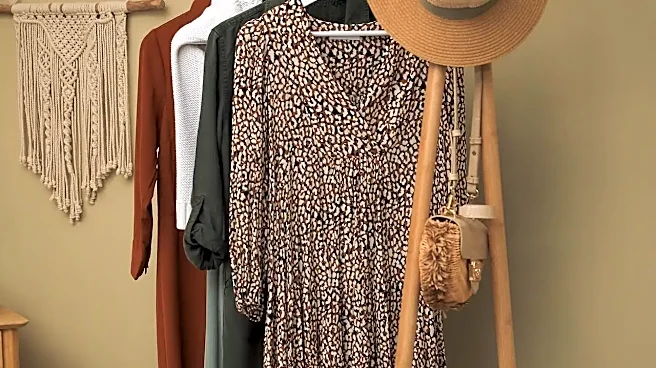
So how did a pattern with such a loud history become a quiet staple? Through ubiquity. By the '90s and 2000s, animal prints were everywhere, from high-fashion runways to fast-fashion racks. This saturation had a curious effect: it normalized the pattern. Fashion insiders began to argue that certain animal prints, particularly leopard, functioned as a neutral. The logic is simple: a classic leopard print is composed entirely of neutral colors like black, brown, and tan. These are the same foundational tones we rely on in our wardrobes. A leopard print shoe, bag, or skirt can anchor an outfit just as effectively as its solid brown or black counterpart, but with an added layer of texture and interest. It became the neutral with a wink, a dependable basic that was anything but boring.
Statement or Staple? It's All in the Styling
Today, animal print exists comfortably in both worlds. Its role is no longer defined by the pattern itself, but by how it's worn. A head-to-toe leopard print suit, amplified by the recent 'mob wife' aesthetic, is an undeniable statement. It commands attention and exudes confidence and power. Yet, a pair of zebra-print flats with jeans and a white tee reads as effortlessly chic—a neutral accent. A classic trench coat with a leopard-print collar feels timeless, not trendy. The modern consensus is that animal print's function is contextual. It can be the focal point of an outfit or a subtle, supporting element. This versatility is precisely what gives it such incredible staying power, allowing it to feel fresh and relevant year after year.