
The Standard Festival Playbook
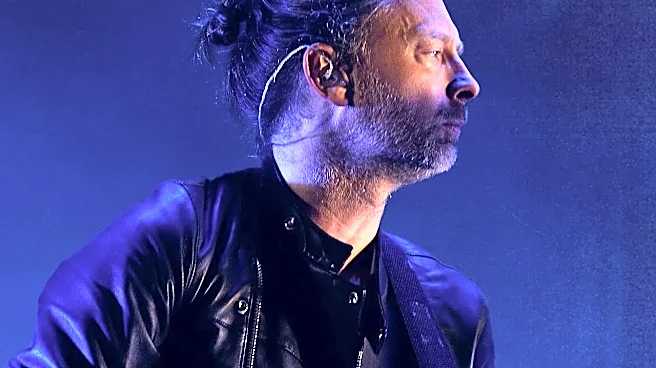
In the world of live music production, there’s a well-established visual language. The goal is to make the viewer at home feel like they’re right there in the front row. Cameras push in for the artist’s every emotive expression, glide across the stage
to capture the band’s interplay, and pull back for a wide, heroic shot of the entire stage production, lights blazing. These angles are designed to deliver proximity and energy, creating a sense of intimacy with the performer. They serve the song and the star, placing the artist at the center of the universe. For decades, this has been the undisputed formula for broadcasting the concert experience, from stadium rock tours to television specials. It’s a language of worship, pointed squarely at the stage.
Flipping the Perspective
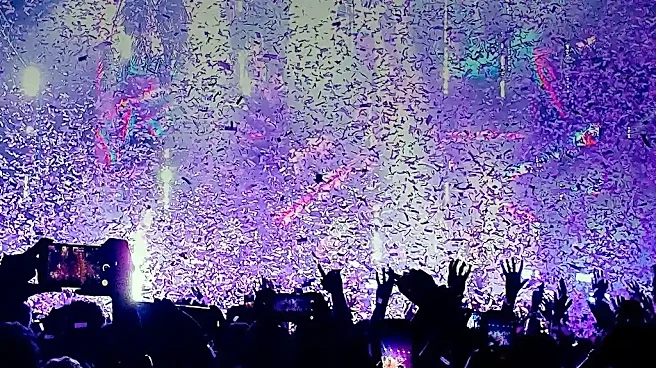
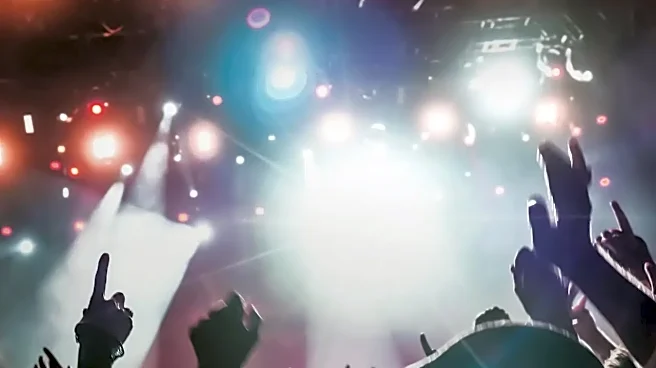
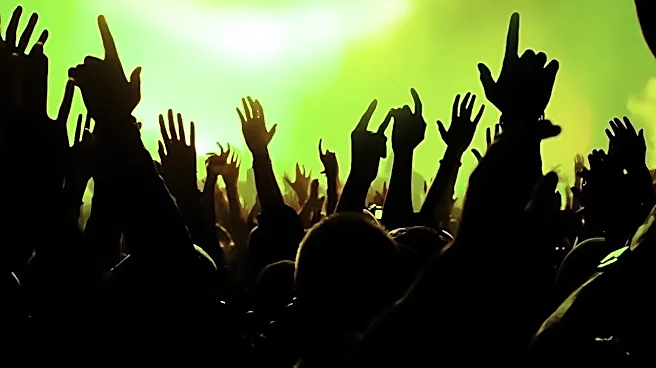
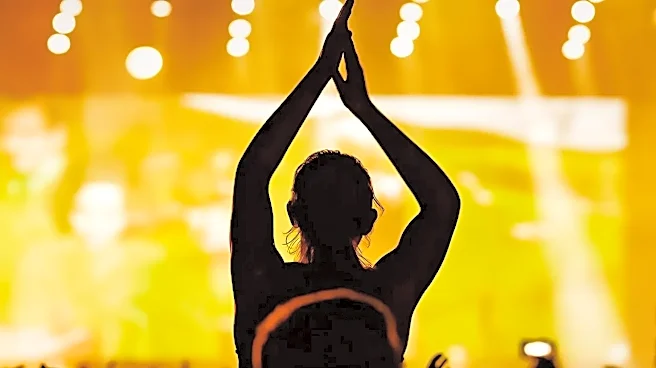
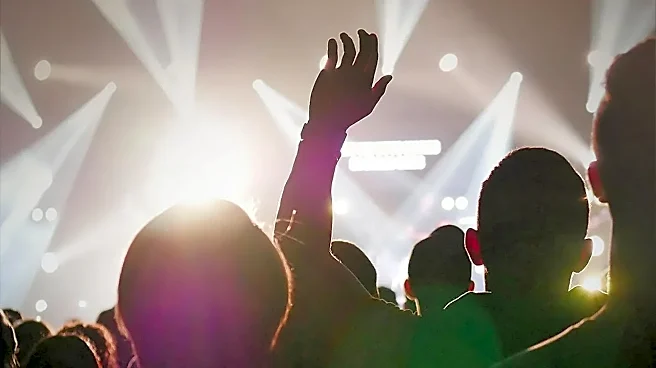
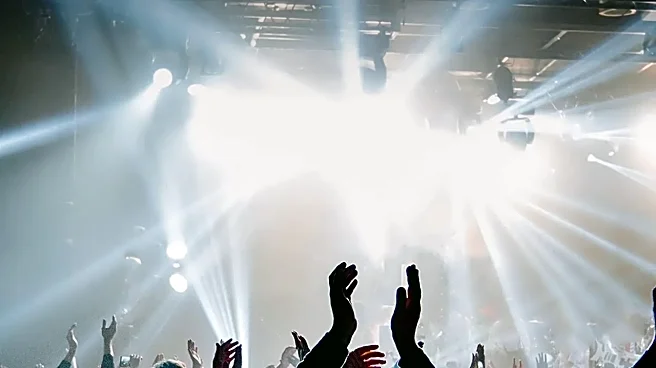
But then there’s the other shot—the one from the back. Positioned far from the stage, sometimes on a crane or a purpose-built tower, this camera turns its lens away from the headliner and toward the vast sea of people. It captures tens of thousands of heads and raised hands, all silhouetted against the explosive light show. Instead of focusing on the one person performing, it focuses on the 75,000 people experiencing. This reverse angle isn’t about seeing the artist; it’s about seeing the artist through the eyes of the audience. It’s a shot that trades the individual for the collective, transforming a performance into a communal event. It’s less a concert shot and more a landscape, where the geography is pure human energy.
It’s a Story About 'Us'
The power of the behind-the-audience shot is emotional. While a close-up shows you what the artist is doing, the reverse angle shows you why it matters. It’s the visual proof of connection. When a director cuts to this shot during a song’s climax or a massive singalong, they are making a powerful narrative choice. The story is no longer just “look at this incredible performer.” It becomes “look what this incredible performer is inspiring.” You see the scale of the moment. You witness thousands of strangers united in a single feeling—hands in the air, phones aloft like modern lighters, friends with arms around each other. It’s the shot that says, “You had to be there,” by showing exactly who “there” was. It captures the very essence of a festival: not just the music, but the shared pilgrimage to hear it.
The Golden Gate Park Advantage
This particular shot feels especially potent at Outside Lands because of its unique home. Unlike festivals set on flat, wide-open fields, Golden Gate Park provides a naturally cinematic backdrop. The festival grounds are nestled among rolling hills, groves of eucalyptus, and cypress trees. This topography offers naturally elevated vantage points, like the hill near the Sutro stage, that are perfect for capturing the depth and scale of the crowd. And then there’s Karl the Fog. As the iconic San Francisco fog rolls in during the evening headliner sets, it interacts with the stage lights in a way that’s purely magical. From behind the audience, a camera can capture the swirling fog as it’s illuminated by beams of color, diffusing the light and wrapping the entire scene in a dreamy, atmospheric haze. The trees, the fog, and the sheer size of the Polo Field make the crowd shot at Outside Lands an art form in itself.