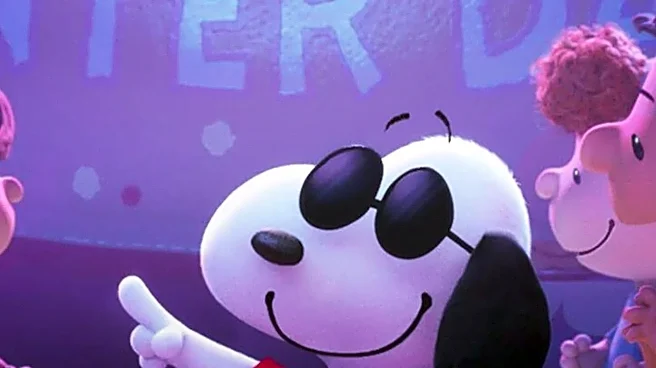







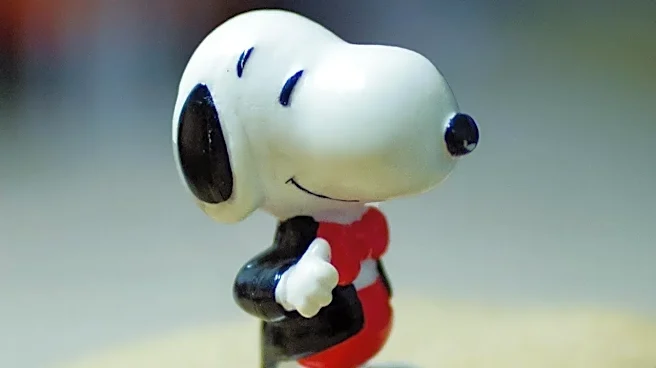

The guests have arrived, the small talk is stalling, and dinner is still an hour away. The social engine needs a jump-start. The answer isn't a blockbuster or a prestige drama. It's a 25-minute cartoon from 1973. Here's why.
The Stakes are Comfortably Low
The plot of 'A Charlie Brown
Thanksgiving' is wonderfully simple. Peppermint Patty invites herself, Marcie, and Franklin over to Charlie Brown's for Thanksgiving dinner. The problem? Charlie Brown can't cook and he's supposed to be at his grandmother's house. What follows isn't an epic saga; it's a gentle, humorous scramble to make something out of nothing. This lack of high drama is its greatest strength as an icebreaker. No one needs to follow a complex narrative or invest deep emotional energy. Guests can chat, grab a drink, and dip in and out without missing a crucial plot point. It’s environmental television at its finest—it sets a mood without demanding your undivided attention, creating a relaxed, communal atmosphere.
It’s a Shared Cultural Touchstone
Since first airing in 1973, the special has become a holiday fixture for generations of Americans. Putting it on is like playing a universally recognized song. Most people in the room will have some memory of it, whether from childhood viewings or its annual broadcast. This shared history provides instant common ground. It prompts conversations like, 'I forgot about the part where Snoopy fights the lawn chair!' or 'We watched this every year before dinner.' It's a nostalgia machine that gets people talking about their own traditions and memories, which is the entire point of an icebreaker. It leverages a collective memory to build new connections in the present.
The Perfectly Imperfect Meal
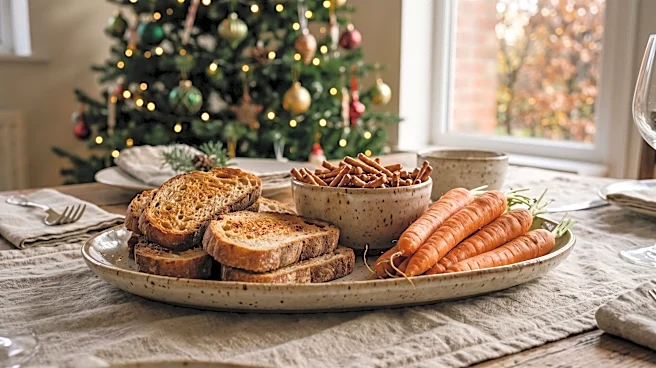
The centerpiece of the special isn't a golden-brown turkey; it’s a chaotic meal of buttered toast, pretzel sticks, popcorn, and jelly beans, served by a beagle on a ping-pong table. Peppermint Patty’s initial outrage—'Where's the turkey, Chuck?'—is both a hilarious moment of childhood bluntness and an incredible conversation starter. The absurdity of the meal is a great source of humor and relatability. It taps into the universal feeling of holiday plans going slightly awry and the pressure to create a 'perfect' experience. The flawed feast reminds everyone that togetherness, not perfection, is the goal, a message gracefully delivered by Marcie, who reminds Patty that being together is the point. It's a low-key lesson in gratitude that feels earned, not preachy.
It Acknowledges Social Awkwardness
At its core, the 'Peanuts' universe has always excelled at capturing the anxieties of youth, which are often just adult anxieties in a simpler form. Charlie Brown’s panic at being an unprepared host is deeply relatable. Peppermint Patty's pushy self-invitation is a familiar brand of social awkwardness we've all encountered. Even the controversial scene where Franklin sits alone on one side of the table, a detail viewed by many today as exclusionary, opens a door for modern discussion about the special's context and flaws. The entire special validates the inherent awkwardness of social gatherings, making everyone in the room feel a little more normal about their own anxieties. It says, 'It's okay if this feels a little weird,' which is a disarming and welcoming message.
It's Mercifully Short and Sweet
Perhaps the most practical reason 'A Charlie Brown Thanksgiving' works is its runtime. At just under half an hour, it's the perfect appetizer, not the main course. It doesn't hijack the evening or force anyone to commit to a two-hour film. It’s a short, charming burst of entertainment that ends just as more substantial conversations are beginning to flow. By the time Linus gives his speech about the first Thanksgiving and Charlie Brown gets the call from his grandmother inviting everyone for a 'second dinner', the special has done its job. The social ice is broken, the mood is light, and your movie-night has been successfully launched.