







The Billion-Dollar Safety Blankets
The cornerstones of July 2026 are exactly what you'd expect: massive, IP-driven spectacles designed for maximum global impact. Universal is set to release an animated adventure, currently titled "Minions & Monsters," on the first of the month. This represents
the ultimate in safe-bet filmmaking. The Minions franchise is a proven box office juggernaut, and combining it with a monster-movie theme is a classic studio play to merge two highly marketable concepts. Similarly, Disney is releasing its live-action adaptation of "Moana" on July 10th. While remaking a beloved animated classic from only a decade prior seems creatively conservative, it's a calculated financial risk. The studio is betting that a new format and a built-in multi-generational audience can guarantee a hit, minimizing the uncertainty that comes with original stories. These films aren't just movies; they are risk-management assets, designed to anchor a studio's entire fiscal quarter.
The Superhero Hedging Strategy
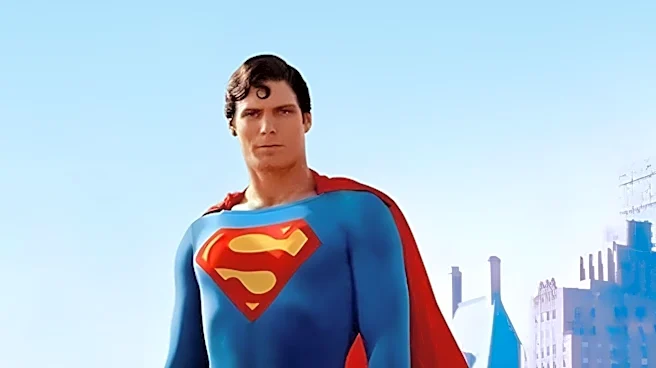
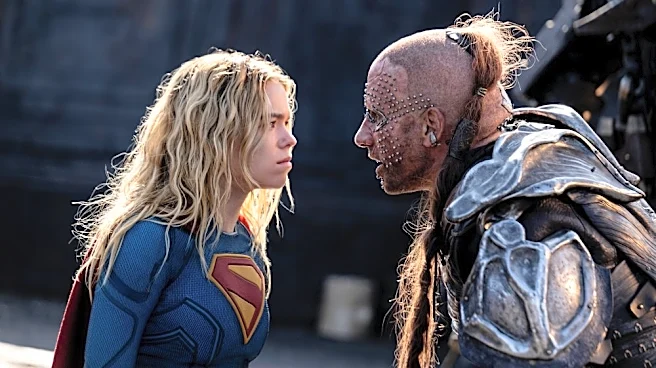
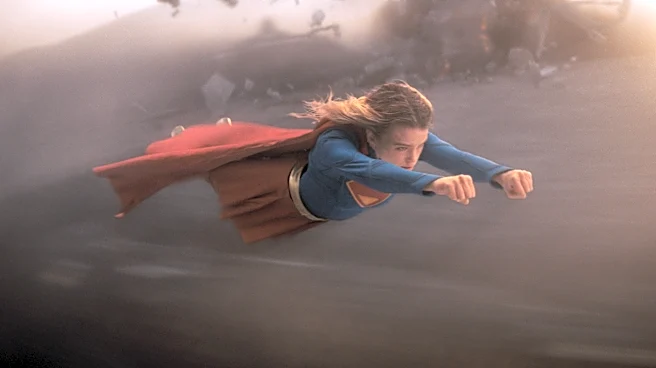
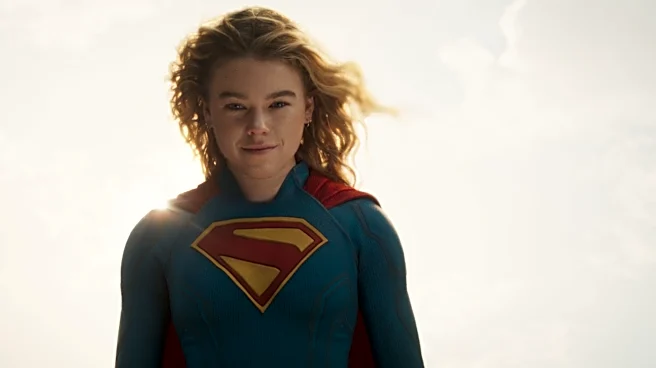
Comic book movies have long been Hollywood's favorite high-risk, high-reward venture, and July 2026 showcases two different approaches to that formula. Sony is slated to release "Spider-Man: Brand New Day," continuing its incredibly successful run with the iconic character. This is a sequel, but one that promises a new chapter for Tom Holland's Peter Parker, blending the familiar with the fresh to mitigate franchise fatigue. Over at DC, the picture is slightly different. Following James Gunn's 2025 franchise reset with "Superman," the studio is building out its universe with a "Supergirl" film in late June and has a sequel, "Man of Tomorrow," tentatively planned. The success of these interconnected films relies not just on one character but on the audience's willingness to invest in a whole new cinematic universe. It’s a gamble on long-term loyalty, where the risk isn't just one film's budget but the viability of the entire multi-year plan.
Big Swings and Auteur Risks
Beyond the capes and cartoons, July offers a glimpse of a riskier, more creatively ambitious Hollywood. Director Matt Damon is attached to star in "The Odyssey," an R-rated take on the Greek epic set for a July 17th release. A large-scale historical epic without franchise ties is a type of film that has become increasingly rare. Its success or failure will be a key indicator of whether audiences still have an appetite for grand, star-driven stories that aren't based on a pre-existing comic book or toy line. Another notable entry is "Motor City," an action-thriller set in 1970s Detroit. While smaller in scale, this kind of adult-oriented genre film represents a different kind of bet: a belief that a compelling premise and a specific aesthetic can find a profitable audience amidst the summer blockbusters.
The Low-Budget, High-Concept Gambles
Where Hollywood's risk appetite is most diverse is on the lower end of the budget scale. July 2026 is peppered with counter-programming, like the horror film "Evil Dead Burn." The "Evil Dead" franchise has a proven track record of delivering high returns on modest investments, a model perfected by studios like Blumhouse. This is the portfolio theory of filmmaking: make many low-cost bets in a genre with a dedicated fanbase, knowing that one or two hits will more than cover the losses. It’s the opposite of the blockbuster strategy. Instead of pouring $300 million into one film that must succeed, you spread that risk across multiple, smaller projects. It’s a quiet but essential part of the modern studio ecosystem, providing a necessary balance to the tentpole-obsessed release calendar.