

The Midnight Movie and the Horror Host
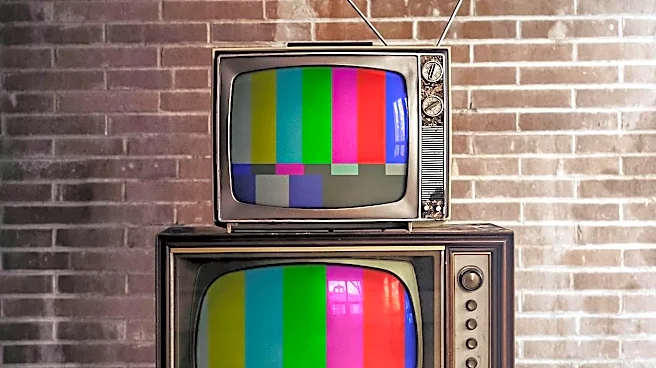
Long before you could binge-watch anything on demand, horror was appointment television. In the 1950s and '60s, local TV stations across America introduced late-night horror movie blocks. These were often emceed by charismatic, ghoulish hosts like Vampira
or Zacherley, who would introduce classic monster movies with a dose of macabre humor. For the first time, watching scary movies became a scheduled, communal event. An entire generation was introduced to horror not in a theater, but in their own living rooms, creating a shared cultural touchstone and laying the groundwork for the marathon format. This era established the idea that certain nights were specifically for scares.
The Home Video Revolution
The advent of the VCR in the late 1970s and its explosion in the 1980s changed everything. Suddenly, you were the programmer. A trip to the video rental store meant you could curate your own personal film festival. The horror section, with its lurid cover art and endless sequels, was a treasure trove for fans. This is where the modern marathon truly took shape. Friends could gather for an all-nighter fueled by pizza and a stack of tapes, moving through an entire franchise like 'Friday the 13th' or 'A Nightmare on Elm Street'. The VCR democratized the marathon, turning it from a passive viewing experience into an active, social gathering built around a shared love for the genre.
Cable TV Claims the Calendar
By the late 1990s, cable channels recognized the power of seasonal programming. AMC launched its first major Halloween horror marathon in 1997, which would evolve into the beloved annual event "FearFest". Suddenly, the marathon wasn't just a single night; it was an entire month. Other networks followed suit, with Freeform's "31 Nights of Halloween" (originally "13 Days of Halloween") becoming a staple for more family-friendly spooky content. These curated television events solidified October's identity as horror movie month, creating a cultural expectation and providing a constant, accessible stream of scary films for the entire season. For its 30th anniversary in 2026, AMC's FearFest is even bringing back the iconic Crypt Keeper as host, a nod to the horror hosts of the past.
Streaming and the Global Campfire
Today, the tradition has evolved again. Streaming services have made the horror marathon both hyper-personal and globally connected. Platforms like Netflix and Hulu highlight horror collections every October, while the dedicated horror service Shudder has become a vital hub for the entire fan community, offering everything from classics to daring new originals. The marathon is no longer limited by what's on TV or in the video store. Viewers can now follow social media challenges like the "#31DaysofHorror," sharing their personal movie lists and watching along with thousands of others online. It's the modern equivalent of telling ghost stories around a campfire, only now the campfire is global.
The Comfort of Controlled Fear
So why do we do it? The psychology behind the tradition is key. Watching scary movies triggers a rush of adrenaline and feel-good chemicals like dopamine in the safety of our own homes. This creates a “natural high” without any real danger. Sharing that experience with friends or family amplifies the effect, creating strong emotional bonds. It's a chance to feel a powerful, primal emotion together and then laugh about it afterward. The ritual offers a sense of control over fear, a cathartic release that feels especially comforting during an often-unsettling time of year. It’s a shared vulnerability that strengthens connections and makes the scares feel not just manageable, but fun.