




The Golden Age of the Pilot
Not long ago, Hollywood operated on a predictable, if notoriously wasteful, annual cycle called "pilot season." From January to April, networks would commission dozens of standalone first episodes, each a multi-million-dollar proof-of-concept. Executives
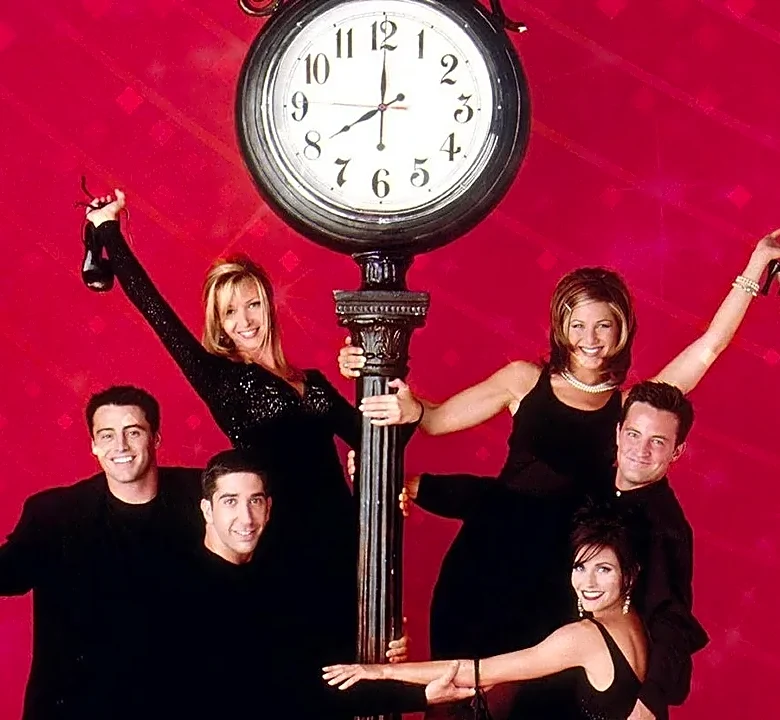
would watch these pilots, maybe convene a focus group, and then, using a mix of gut instinct and scheduling savvy, pick a handful to become full series for the fall. It was an expensive audition. For every 'Friends' or 'ER' that got a series order, countless others were shelved, never to be seen. The risk was concentrated upfront: you might waste millions on a pilot that goes nowhere, but you avoided committing to a full season of a show that didn't work. This system was a high-stakes, creatively-driven bet that a single episode could capture magic in a bottle.
The Rise of the Algorithm
Then came streaming, and with it, a treasure trove of data. Platforms like Netflix didn't need to guess what audiences wanted; they could see it. They knew what shows you binged, what scenes you rewatched, when you paused, and what you abandoned after ten minutes. This granular insight fueled a new model: the straight-to-series order. Instead of funding a pilot, a network or streamer would commit to an entire 10- or 13-episode season based on a compelling script, big-name talent, and, most importantly, data that suggested a built-in audience. If data showed that subscribers loved shows from a certain producer and also responded well to female-led dramas, greenlighting a project like 'Orange Is the New Black' felt less like a guess and more like a calculated investment. The number of pilots ordered by major networks plummeted as the industry embraced a faster, seemingly more efficient way to fill a relentless content pipeline.
A New Kind of Gamble
The pivot to data-informed commissioning wasn't about eliminating risk; it was about trading one kind of risk for another. The old model risked a few million dollars on a failed pilot. The new model risks tens, or even hundreds, of millions on a full season that might land with a thud. While data can confirm an audience exists for a type of show, it can't guarantee that a specific show will have chemistry, cultural resonance, or that elusive spark that creates a blockbuster. The straight-to-series order skips the crucial "rehearsal" phase where creators can see if a cast gels or if the tone works on screen. This new calculus incentivizes greenlighting projects that fit a proven mold, potentially sidelining more original or unconventional ideas that don't have a clear data precedent. The risk is no longer just financial; it's creative.
What This Means for Your Watchlist
This behind-the-scenes shift has tangible effects on what you end up watching. On the plus side, actors cast in a straight-to-series order have more job security, and shows are less likely to be abruptly canceled after a single airing. The data-driven approach can also identify and serve niche audiences, leading to a wider variety of content for specific tastes. However, the downside is a potential trend toward homogeneity. As platforms seek to minimize their massive financial bets, they may lean more heavily on pre-existing intellectual property, reboots, and shows that algorithmically resemble past hits. The truly weird, boundary-pushing show that would have bombed in a data model but soared on pure creative audacity might have a harder time getting made. The industry has become more accountable for performance, but this can also disincentivize shows that don't have an immediate, measurable impact on subscriber numbers.