



An Authentic Tie to Tennis History
Before the polo, players competed in what amounted to formalwear: long-sleeved button-downs, flannel trousers, and even ties. The heat and restriction were brutal. Then came French tennis legend René Lacoste, who was tired of sweating through matches
in stiff attire. In 1926, he debuted his own design at the U.S. Open: a short-sleeved shirt made from a breathable, loosely knit piqué cotton. It had a soft, unstarched collar that could be popped to block the sun and a longer tail to stay tucked in. Lacoste, nicknamed "The Crocodile," put a small emblem of the reptile on the chest, and the modern athletic shirt was born. Wearing a vintage-style polo at the U.S. Open is a direct nod to the very innovation that changed the game on that same ground.
What Makes a Polo 'Vintage'?
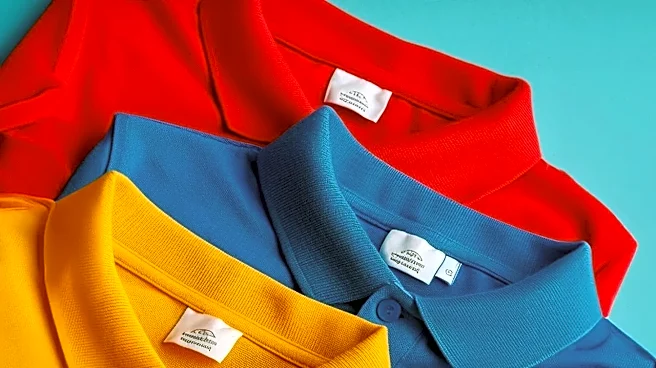
Not all polos are created equal. The retro aesthetic that feels so right for a heritage sporting event comes down to specific details that separate it from modern performance gear. Vintage-inspired polos often feature knitted textures, like merino wool or silk blends, that offer a richer drape than standard cotton. Design cues from the 1950s to '70s are key: look for open, buttonless "Johnny collars," contrast tipping on the collar and cuffs, and geometric patterns. The fit is also different. Instead of a tight, athletic cut, a vintage polo often has a slightly more tailored, but not tight, silhouette, with sleeves that hit around the mid-bicep. The goal is a look of relaxed elegance, not a shirt you’d wear for a sweaty gym session.
How to Style It Without Looking Dated
The key to nailing vintage-inspired dressing is to make it feel intentional, not like a costume. The first rule is to pair your polo with tailored pieces. Instead of distressed jeans, opt for crisp chinos, flat-front trousers, or tailored shorts in neutral colors like stone, navy, or white. Tucking in the polo with a classic leather belt instantly elevates the look from casual to smart-casual. For a cooler day, a vintage polo layers perfectly under a lightweight navy or linen blazer, with just the collar peeking out. This combination bridges the gap between formal and casual, making it ideal for the stands at Arthur Ashe Stadium. Finish the look with clean, classic footwear like white leather sneakers or suede loafers—never a clunky gym shoe.
The Finishing Touches
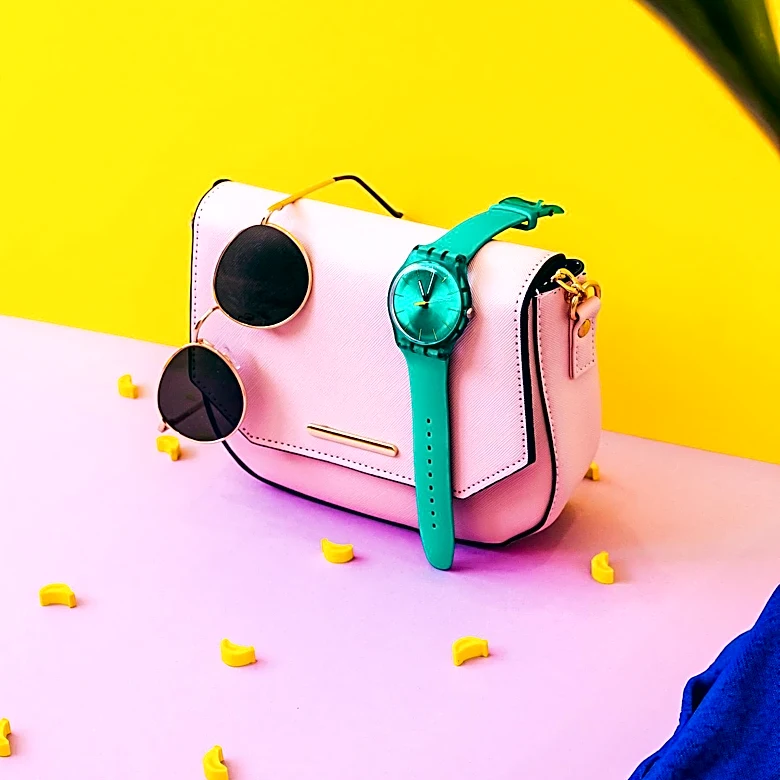
While the polo is the star, accessories complete the narrative. A pair of oversized, retro-style sunglasses adds a touch of old-school glamour. For headwear, a classic baseball cap—perhaps from the U.S. Open's official outfitter, Ralph Lauren—is a simple, on-theme choice. The brand itself has a major connection to the shirt's story; it was Ralph Lauren who, in 1972, branded his version of the tennis shirt as the "Polo shirt," cementing the name in the fashion lexicon. By focusing on quality fabrics, a tailored fit, and polished pairings, the vintage polo becomes more than just a shirt. It’s a statement of appreciation for the sport’s history and a masterclass in effortless, enduring style.