



The Golden Rule: It's Always About the Blood
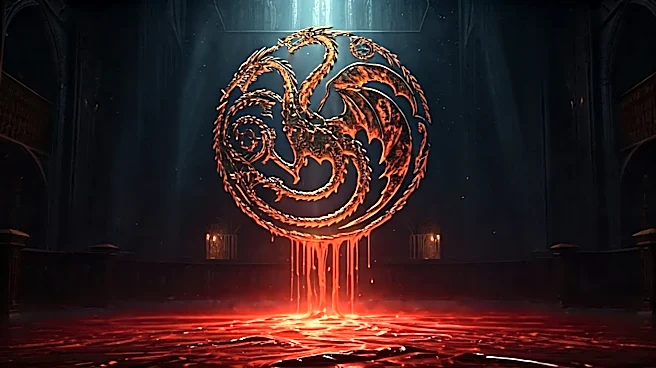
Forget memorizing every cousin and uncle. The first and most important shortcut is understanding the Targaryen obsession with blood purity. They are the last dragonlords from the fallen empire of Valyria, and they believe their power—their magic, their connection
to dragons, their very right to rule—is encoded in their DNA. This is why they practice incestuous marriage, wedding brother to sister and cousin to cousin. It’s not just a weird quirk; it’s a political and magical strategy to keep the Valyrian bloodline undiluted by the “lesser” blood of the Andal lords of Westeros. Whenever you see a Targaryen making a shocking marriage proposal to a relative, your first thought shouldn't be “ew,” but “ah, they’re trying to consolidate power and keep the dragon-riding magic in-house.” This single principle explains about 90% of their seemingly chaotic family decisions across centuries.
The Motivation: Prophecy, Not Just Power
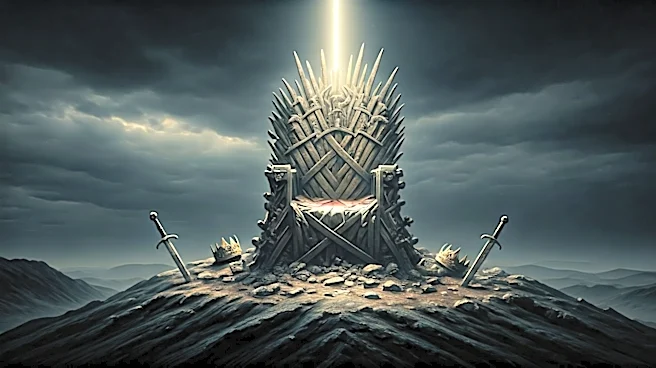
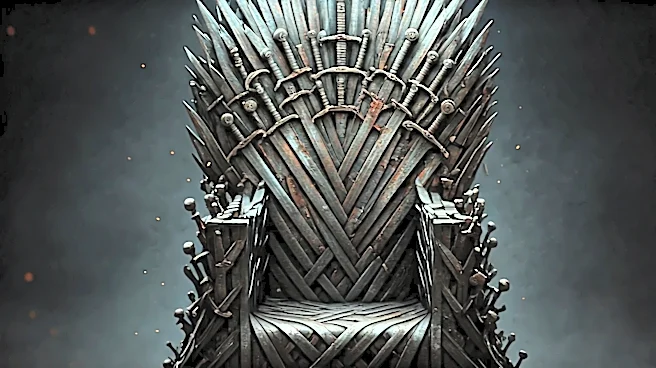
Why conquer a whole continent? Why obsess over the line of succession for generations? While power is part of it, the Targaryen dynasty is driven by a secret prophecy revealed in *House of the Dragon*: Aegon the Conqueror’s dream of a great winter and a darkness coming from the North. He believed a Targaryen king or queen must be on the Iron Throne to unite the living against the dead. This secret, known as “A Song of Ice and Fire,” is passed down from monarch to heir. This reframes the entire family struggle. The endless fights over succession aren't just petty squabbles; in their minds, they are debates over who is best equipped to save the world. Viserys choosing Rhaenyra, the brutal civil war of the Dance of the Dragons—it all clicks into place when you realize they believe the fate of humanity rests on them getting this one decision right. Their paranoia is existential.
The Name Game: Focus on the 'Big Three'
Don’t get bogged down trying to differentiate between every Aegon, Aemon, and Aerion. You only need to track the significance of a few recurring, high-stakes names. First is **Aegon**. This is the founder’s name, the big one. Any Targaryen named Aegon is either a nod to the Conqueror or a statement of intent—this boy is destined to rule. Second are the female power names: **Rhaenyra** and **Rhaenys**. These names are associated with strong-willed women who challenged patriarchal succession. Rhaenys was the “Queen Who Never Was,” and Rhaenyra was the first reigning queen. Any girl with a similar name is likely a major player. Third is **Viserys**. This name often belongs to thoughtful, burdened, or even weak kings who preside over pivotal moments of peace or decline. King Viserys I tried to hold the realm together, while his namesake in *Game of Thrones*, Daenerys’s brother, was a pathetic pretender. By bucketing characters by name, you can quickly grasp their intended role in the story.
The Power Source: Just Follow the Dragons
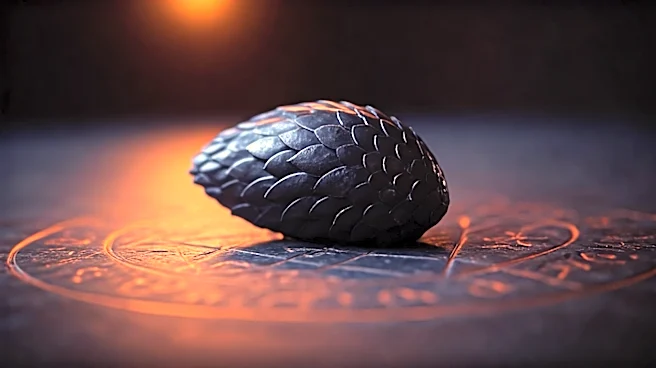
If you're ever lost in the timeline, just ask yourself one question: “Do the Targaryens have dragons right now?” The answer tells you everything you need to know about their power level. In Aegon’s Conquest and during *House of the Dragon*, they are demigods. Their dragons are living weapons of mass destruction, and their authority is absolute. No one can challenge them. After the Dance of the Dragons, the last dragons die out. For the next 150 years, the Targaryens are just a regular royal family with a history of instability and a questionable gene pool. They are vulnerable, facing constant rebellions (like the Blackfyre Rebellions) until they are finally overthrown by Robert Baratheon. Then, Daenerys hatches three new dragons, and suddenly, a Targaryen is once again the single most powerful person in the world. The dragons are the family’s power meter. When the dragons are strong, so are they. When the dragons are gone, their dynasty crumbles.