









Prioritize the Tournament Type
First, decide what kind of experience you want. The FIFA World Cup, held every four years, is the pinnacle of international soccer, pitting nation against nation in a month-long festival. For top-tier club competition, the UEFA Champions League brings
together Europe's giants in a season-long battle for continental glory. Then there are historic domestic cups, like England's FA Cup, the oldest soccer competition in the world, famous for its single-elimination drama and potential for underdog upsets. Each tournament offers a different flavor, from the global party of a World Cup to the deeply ingrained traditions of a domestic final. Continental championships like the Euros and Copa América also provide incredible passion and high-stakes play.
Understand the Stakes: Knockout vs. Group Stage
Not all cup matches are created equal. Early-round “group stage” games can be cagey affairs, with teams playing cautiously to avoid elimination. The real heart-pounding drama typically begins in the knockout rounds. A quarterfinal, semifinal, or final guarantees that everything is on the line. The winner-takes-all format creates an electric tension that you simply don’t find in a standard league game. If your travel budget allows for only one match, aim for the latest stage possible. The increase in ticket price often corresponds with an exponential increase in tension, stakes, and unforgettable memories.
Seek Out a Legendary Rivalry
Some matches transcend the tournament they’re in. These are the derbies and rivalries built on decades of geographic, cultural, or political history. Attending one of these is a cultural experience as much as a sporting one. Think of Spain's El Clásico (Barcelona vs. Real Madrid), a clash of national and regional identity. Or Argentina's Superclásico (Boca Juniors vs. River Plate), which paralyzes Buenos Aires with its intensity. In the UK, the North West Derby between Liverpool and Manchester United is a battle between England's two most successful clubs, while Scotland's Old Firm (Celtic vs. Rangers) is rooted in deep social and religious divisions. A rivalry match, even in an early cup round, often delivers more passion and noise than a neutral final.
The Atmosphere Is Part of the Show
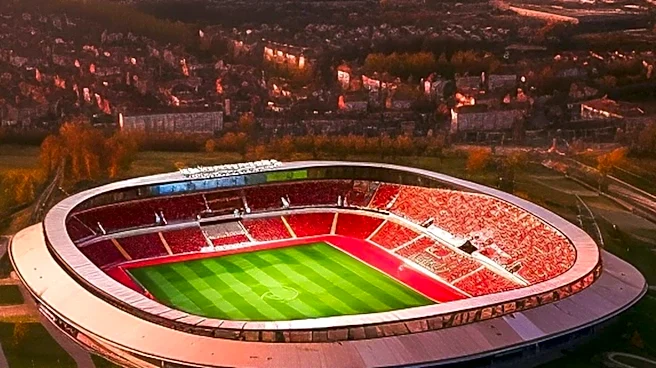
The game on the field is only half the story; the energy in the stands is the other. Some stadiums are globally renowned for their atmosphere. Borussia Dortmund's Signal Iduna Park, with its towering “Yellow Wall” of 25,000 standing fans, is a prime example of choreographed, thunderous support. The passion at stadiums like Liverpool's Anfield, Celtic Park in Glasgow, or Galatasaray's home in Istanbul can feel seismic, with singing and chanting that create a truly intimidating and inspiring environment for players and fans alike. Researching the fan culture and stadium atmosphere is just as important as researching the teams. A trip to a legendary ground can be the highlight, regardless of the final score.
Plan the Practicalities Early
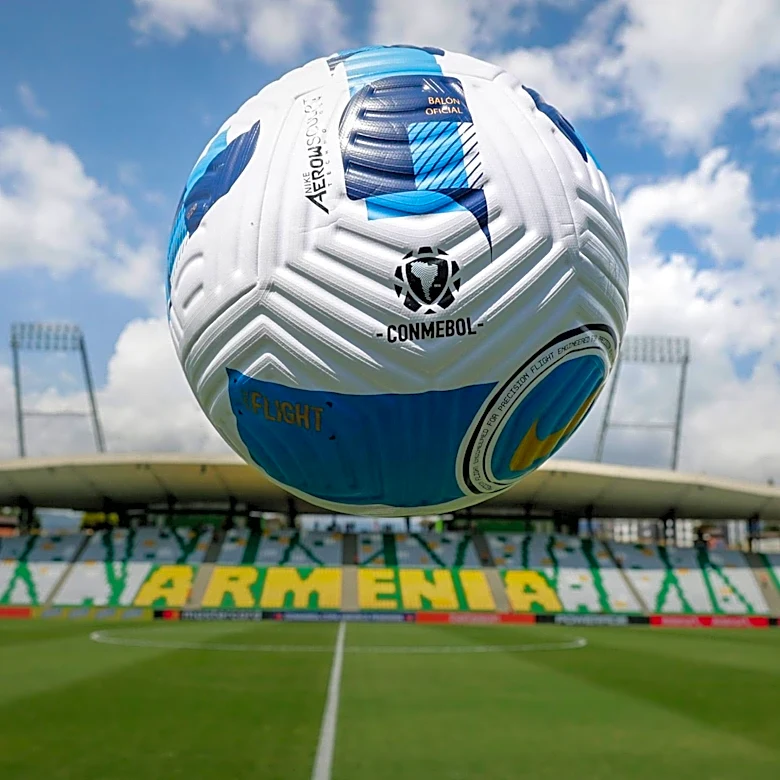
Finally, the dream trip has to survive contact with reality. Tickets for major cup finals or rivalry games can be incredibly difficult and expensive to secure. It's best to check official club or tournament websites months in advance, as many require paid memberships just for the chance to buy tickets. The secondary resale market is an option, but be prepared for inflated prices. Consider the logistics of your destination as well. Traveling for a Champions League final in a major European capital is very different from attending a Copa Libertadores match in South America. Factor in flight costs, accommodation availability (which plummets around big games), and local travel. Sometimes, targeting a slightly less famous cup match in an accessible city can provide a world-class experience without the logistical nightmare.