
Bridge the Generation Gap With the Right Film
The movie choice is the most critical part of the equation. The goal is to find a film that operates on two levels: engaging visuals and simple humor for kids, with clever writing and heartfelt themes
for adults. Avoid anything too scary for the little ones or too simplistic for the grown-ups. Classics like 'Elf' (2003) and 'The Polar Express' (2004) are popular for a reason, blending slapstick with genuine emotion. Newer animated films like 'Klaus' (2019) are also strong contenders, offering stunning animation for all and a smart, touching story for adults. A good rule of thumb is to create a pre-approved list of three or four options and let the family vote. This gives everyone a sense of ownership over the evening.
Create a Cozy Cinematic Atmosphere
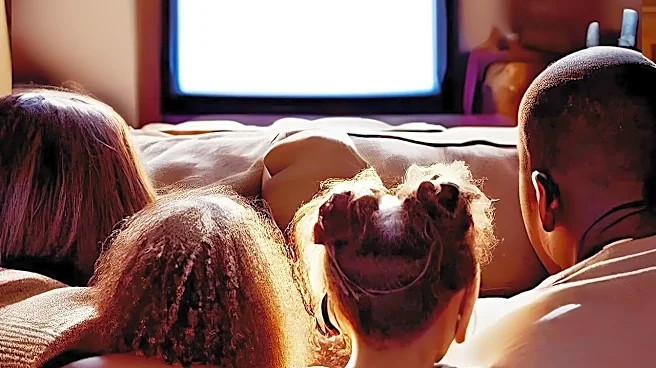
You don’t need a dedicated home theater to make the night feel special. The key is comfort and ambiance. Move the coffee table out of the way and create a cozy nest on the floor with every blanket, pillow, and bean bag you own. This encourages sprawling and breaks the formal living room vibe. Dim the main overhead lights and use lamps or even festive string lights to create a soft glow that mimics a real theater without causing a glare on the screen. Setting the scene takes just a few minutes but signals that this isn't just another night on the couch; it's an event.
Build an All-Ages Snack Bar
Snacks are a non-negotiable part of movie night, but tastes can vary widely. The solution is a DIY snack station where everyone can build their own perfect bowl. Start with a big batch of plain popcorn and set out a variety of seasonings—think cinnamon sugar for the kids and smoked paprika or garlic powder for the adults. Augment this with a mix of accessible treats: bowls of classic movie candy, a platter of simple cookies, and some healthier options like fruit skewers or veggie sticks with hummus. For drinks, have juice boxes or hot cocoa for the kids, and perhaps some sparkling cider or a festive cocktail for the adults. It feels more special than just grabbing a bag from the pantry.
Timing Is Everything
To keep younger viewers from getting overtired and cranky, timing is crucial. Don't start the movie right at bedtime. Instead, schedule it for earlier in the evening, perhaps even in place of a formal dinner. A 90-minute film is often the sweet spot for holding a child's attention. If you're watching a longer movie, plan a strategic intermission. Pause the film at a cliffhanger moment for a quick 10-minute break. This gives everyone a chance to stretch, use the restroom, and grab a snack refill without disrupting the flow. It’s a simple trick that can prevent a late-night meltdown.
Establish Simple Ground Rules
To ensure everyone enjoys the shared experience, set a few gentle rules before the movie begins. The most important one: no phones or tablets. The goal is to bond over the film, and a glowing screen is the fastest way to break that connection. Encourage everyone to give the movie their full attention. You can also make it interactive by having a brief chat after the credits roll. Ask what everyone’s favorite part was or have them rate the movie out of five stars. This turns passive viewing into an active, shared memory and reinforces the family connection.