




It’s a subtle but persistent annoyance: the slant pockets on your favorite trousers flaring out, creating a sloppy silhouette. You tuck them in, but they refuse to stay put. The culprit isn’t always a bad fit—it’s the absence of a tiny hero.
The Anatomy of a Gaping Pocket
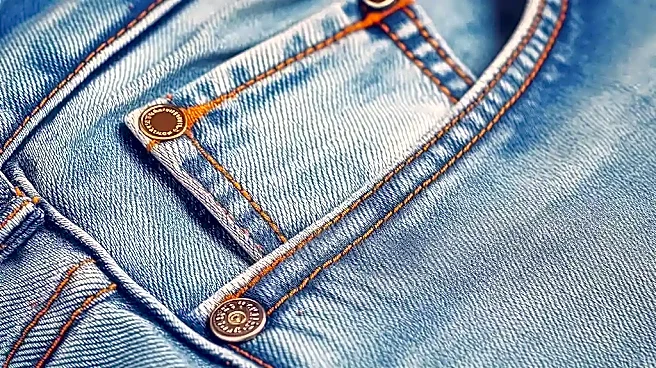
Slant pockets,
while elegant and easy to access, are cut on a bias—the diagonal grain of the fabric. This diagonal cut makes the pocket opening inherently prone to stretching and losing its shape over time. Every time you put your hands in your pockets, sit down, or simply move, you place stress on that opening. An improper fit, particularly trousers that are too tight across the hips or have a rise that's too short for your body, can certainly worsen the problem by pulling the fabric taut. However, even on perfectly fitting pants, gravity and movement can eventually cause the pockets to sag and flare outwards, disrupting the clean lines of the garment.
Meet the Pocket Stay: Tailoring’s Unsung Hero
Enter the pocket stay. It’s not a complicated device, but rather a simple, reinforcing piece of material that holds the pocket assembly in place. In its most basic form, it's a small strip of sturdy, non-stretch fabric, like twill tape, sewn discreetly on the inside of the garment. This strip connects the top corner of the pocket bag to a stable part of the pants, usually the waistband or the fly extension. By anchoring the pocket, the stay provides crucial support and prevents the opening from stretching and pulling away from the body.
How a Simple Strip Creates Structure
The magic of the pocket stay lies in creating counter-tension. The stay acts like a structural brace, holding the pocket mouth securely against your body. More elaborate versions, often found in higher-end trousers and custom jeans, feature an extended pocket bag that functions as a full stay. This involves extending the pocket lining from the side seam all the way to the front zipper, where it's stitched into the fly seam. This creates a sort of internal front panel that not only keeps the pockets perfectly flat but can also have a subtle slimming effect, much like a shapewear panel. Whether it’s a simple tape or a full panel, the principle is the same: the stay stabilizes the pocket and distributes stress away from the delicate bias-cut opening.
A Telltale Sign of Quality Construction
The presence of a pocket stay is a quiet indicator of thoughtful, quality construction. It's a detail that costs extra time and material, so it's often omitted in fast-fashion manufacturing where speed and low cost are prioritized. When you're shopping for trousers, take a moment to look inside. If you see a piece of twill tape running from the waistband to the pocket, or if the pocket lining itself extends fully to the zipper, you're looking at a well-made garment. This small feature demonstrates that the maker cared about longevity and how the pants would wear over time, not just how they look on the hanger. It’s a detail, like high stitch density or quality hardware, that separates a good pair of pants from a great one.
Can You Add a Stay to Your Own Pants?
If you have a favorite pair of trousers with unruly pockets, the good news is that this issue is often fixable. Adding a simple stay is a relatively straightforward job for any competent tailor and is usually an inexpensive alteration. For those who are comfortable with a needle and thread, it’s also a manageable DIY project. By sewing a short length of twill tape from the top of the pocket bag to the waistband, you can retroactively add the support that was missing. It’s a simple fix that can transform the fit and feel of your pants, ensuring your pockets lie flat and stay that way, finally putting an end to any perpetual gape.