






The Secrecy is the Strategy
Imagine buying a pricey ticket to a major event without knowing who or what you’re going to see. That’s the entire premise of the Telluride Film Festival. Unlike Cannes, Toronto, or Venice, Telluride famously does not announce its lineup in advance. The
program remains a closely guarded secret until the festival begins over Labor Day weekend. This isn't a bug; it's the festival's most powerful feature. By keeping the slate mysterious, Telluride creates a level playing field. A debut feature from an unknown filmmaker gets the same initial footing as the latest work from a celebrated auteur. Attendees arrive with open minds, ready for discovery rather than checking off a list of pre-hyped titles. This forces everyone—from critics to Academy voters—to react to the films themselves, not to the marketing campaigns that precede them.
Location, Location, Isolation
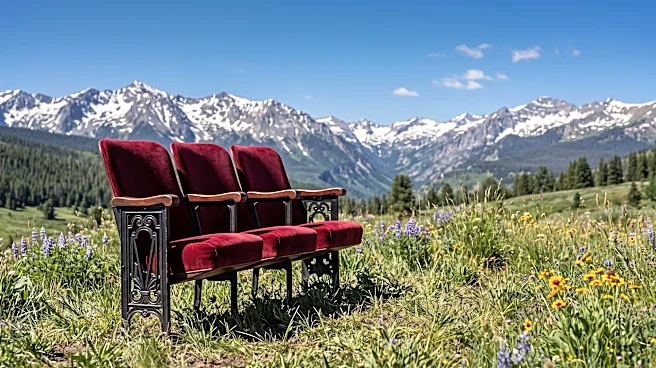
You can’t just stumble into Telluride. Nestled in a remote Colorado box canyon, the festival's isolation is key to its magic. There are no sprawling red carpets, no paparazzi hordes, and very few of the grand promotional gestures that define other major festivals. Instead, the entire town becomes an intimate campus for cinema lovers. You might find yourself in line for coffee next to the director of the film you just saw, or debating a movie’s merits with a fellow cinephile on a shuttle bus. This concentrated, film-focused environment creates what the Los Angeles Times once called a "hothouse filmocentric universe." Conversations are organic, passionate, and influential. Buzz at Telluride feels earned, not manufactured, because it grows directly from the shared experience of watching and discussing films in a bubble far from the industry noise.
The Audience is the Amplifier
The people who make the pilgrimage to Telluride are as important as the films themselves. The audience is a dense, curated collection of the film world’s most influential figures: Oscar voters, top-tier critics, studio executives, and dedicated filmmakers. They attend on faith, trusting the festival's programmers to deliver a weekend of extraordinary cinema. When a film hits big here, it's not just a popular success; it’s an immediate injection into the heart of the awards season conversation. This is the audience that can ignite a film's journey to Oscar glory. Classics like "Moonlight," "Slumdog Millionaire," and "Juno" all famously launched from this high-altitude incubator, arriving as relative unknowns and leaving as must-see contenders. The buzz from Telluride is a powerful signal that travels quickly to the larger festivals in Toronto and New York, amplifying a small film's chances on a global stage.
A Culture of Discovery, Not Competition
Crucially, Telluride is not a competition. There are no juries, no official prizes, and no single winner. The festival is explicitly designed as a celebration of cinema, where new films are shown alongside restored classics and tributes to filmmaking legends. This ethos encourages a sense of shared discovery over cutthroat rivalry. Filmmakers and audiences are there to appreciate the art form, not to see who wins. This unique environment allows for genuine surprises. A small, unheralded film can capture the collective imagination without the pressure of a formal contest. By removing the competitive element, Telluride ensures the conversation remains focused on what truly matters: the power of a great story, regardless of its budget, country of origin, or the fame of its creators. It’s a formula that has made the festival a vital and enduring launchpad for cinema’s most exciting new voices.