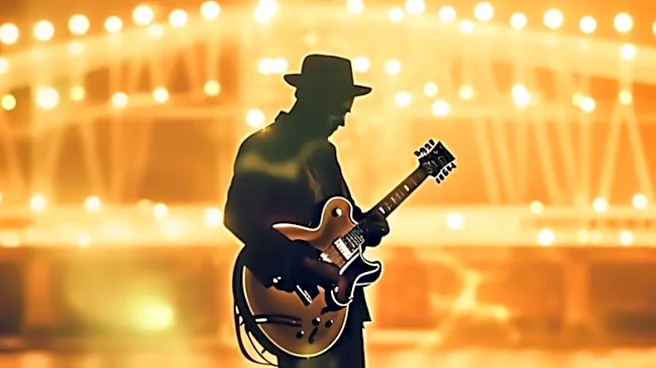




The Texas Cannonball
Alongside B.B. and Albert, Freddie King is one of the undisputed "Three Kings" of the blues guitar. While all three were masters of expression, Freddie, known as the "Texas Cannonball," played with a hard-driving intensity that felt like a direct bridge
between blues and the rock-and-roll that was soon to conquer the world. His sound was a product of a very specific, and somewhat unorthodox, set of choices that began with how he physically attacked the guitar strings.
The Secret Weapon: A Plastic and Metal Attack
The core of King's singular tone came from his picking hand. Instead of a standard flatpick, he used a plastic thumb pick combined with a metal fingerpick on his index finger. This hybrid technique gave him the best of both worlds. The plastic thumb pick allowed him to lay down a solid, thumping rhythm on the bass strings, while the metal index pick produced a sharp, biting, and almost piercing treble attack. This combination is responsible for the signature snap in his solos, giving each note a percussive and aggressive edge that a simple pick could never replicate. It was a sound that was both raw and incredibly precise.
The Gear: Semi-Hollow Guitars and Cranking It to Ten
While he used a Gibson Les Paul in his early days, King is most famously associated with his cherry red Gibson semi-hollow body guitars, particularly the ES-345. These guitars offered a warmth and resonance that solid-body guitars lacked. But King didn't want a mellow, jazzy sound. He paired his Gibsons with massive Fender amplifiers, like the Quad Reverb, and did something many players of his era didn't: he turned them all the way up. By cranking the volume and treble to ten while dropping the bass and mids, he pushed the amps into natural overdrive, creating a tone that was loud, fiery, and saturated without being overly distorted. He wasn't using pedals; his drive came from sheer volume and a heavy-handed attack.
A Tale of Two Cities: Texas Grit, Chicago Fire
Born in Texas but coming of age as a musician in Chicago, King’s style was a perfect fusion of two distinct blues traditions. He took the raw, open-string sound and melodic sensibilities of Texas blues legends like T-Bone Walker and blended them with the amplified, aggressive, and screaming tones of the Chicago West Side scene. While other Chicago players were sticking to a more established sound, King's hybrid approach felt fresh and kinetic. This unique blend allowed him to create instrumental masterpieces like "Hide Away" and "The Stumble," which showcased both his melodic genius and his raw power.
The Legacy of a Singular Sound
Freddie King's potent combination of technique and tone had a seismic impact on the next generation of guitar heroes. A young Eric Clapton was famously so moved by King's playing that it set him on his own path. Clapton, along with Jeff Beck, Peter Green, Mick Taylor, and later Stevie Ray Vaughan, all cited King as a primary influence. They were all chasing that elusive sound—the ferocious string bends, the razor-sharp attack, and the soulful phrasing that King made his own. His music became a blueprint for the British blues explosion and for blues-rock guitarists for decades to come.