






The Multi-Layered Approval Gauntlet
Getting the green light for a major festival in Golden Gate Park is far more than just filling out a form. Promoters like Another Planet Entertainment, which produces Outside Lands, must navigate a gauntlet of approvals primarily managed by the San Francisco
Recreation and Park Department. The process starts with a special event application submitted months, or even a year, in advance. This initial step kicks off a detailed review covering everything from amplified sound and road closures to public safety and ADA compliance. An event permit application requires detailed plans for traffic control, security, and staffing, often involving coordination with other city agencies like the SFPD and SFMTA. This isn't just about one permit; it's a series of interlocking approvals for sound, structures, and public access, each with its own requirements and fees.
More Than Just a Permit Fee
The price tag for using the park is steep and multi-faceted. It’s not a single fee but a collection of costs that can run into the millions. For a large, multi-day ticketed concert, the city may charge a base permit fee of over $2 million. On top of that, organizers face a menu of other expenses: fees for amplified sound (which can be over $700 for a for-profit event), per-participant impact fees, and charges for setting up and taking down stages on non-event days. Promoters must also reimburse the city for staffing costs, including park rangers to monitor sound levels and police officers for security. For gated events, the city often takes a percentage of ticket sales, further intertwining the festival's success with city revenue.
The Restoration Game
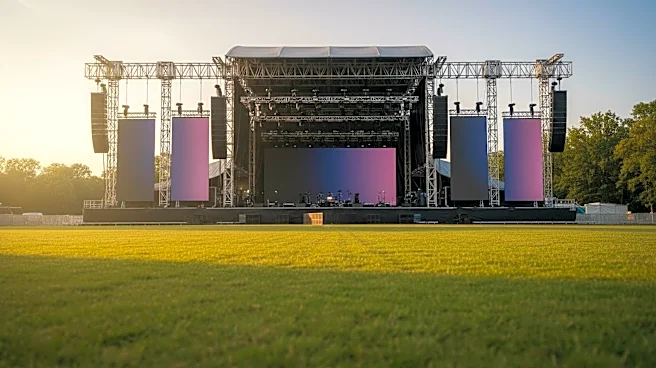
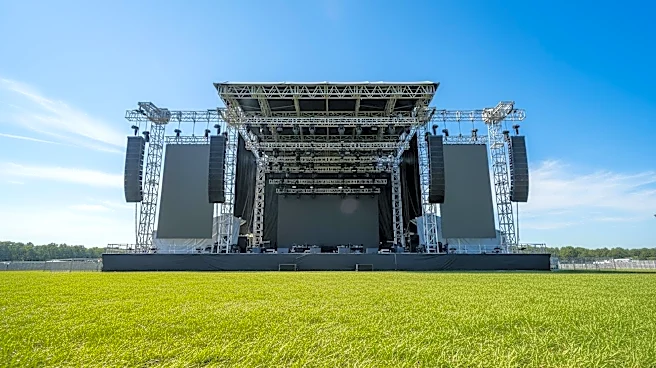
Perhaps the most critical—and least visible—part of the permit agreement is the plan for after the show ends. Hosting hundreds of thousands of people inevitably takes a toll on the park's delicate ecosystem. To ensure the Polo Field and surrounding meadows are returned to their original state, promoters are required to pay for ground regeneration and post-event repairs. This often involves posting a significant security deposit or bond. After the stages are dismantled and the crowds are gone, gardeners and groundskeepers assess the area. Their work, paid for by the festival, can include extensive lawn aeration, reseeding, and repairing any damage to irrigation or pathways. This commitment to restoration is a non-negotiable part of the deal, ensuring that the park remains a pristine public space for the other 50 weeks of the year.
Balancing Culture, Commerce, and Conservation
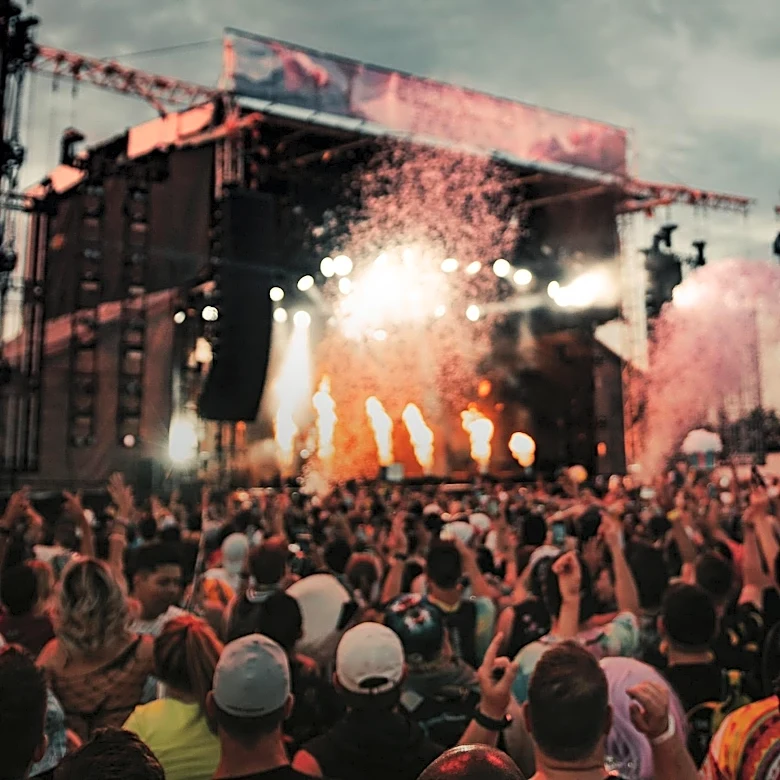
Ultimately, the permitting process is a high-wire balancing act. For San Francisco, these festivals are a massive economic engine. A trio of major concert weekends in 2025, including Outside Lands, generated an estimated $245 million in economic output for the Bay Area and supported over 1,200 jobs. This revenue is vital, helping fund the Recreation and Park Department's city-wide programs. However, this economic boon comes at the cost of restricting public access to a huge portion of the park for weeks during setup and teardown. It also creates noise and traffic for surrounding neighborhoods. The permit, therefore, is the city’s tool for managing this tension—a rulebook designed to harness the cultural and financial power of festivals while protecting its most cherished public asset.