


The Gospel of 'Sprezzatura'
To understand the artfully disheveled look of a Pitti Uomo veteran, you first need to understand one crucial Italian word: *sprezzatura*. Coined in the 16th century by Baldassare Castiglione in *The Book of the Courtier*, it describes a certain nonchalance,
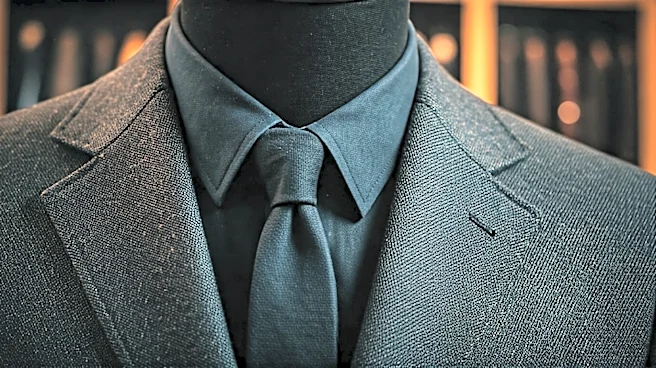
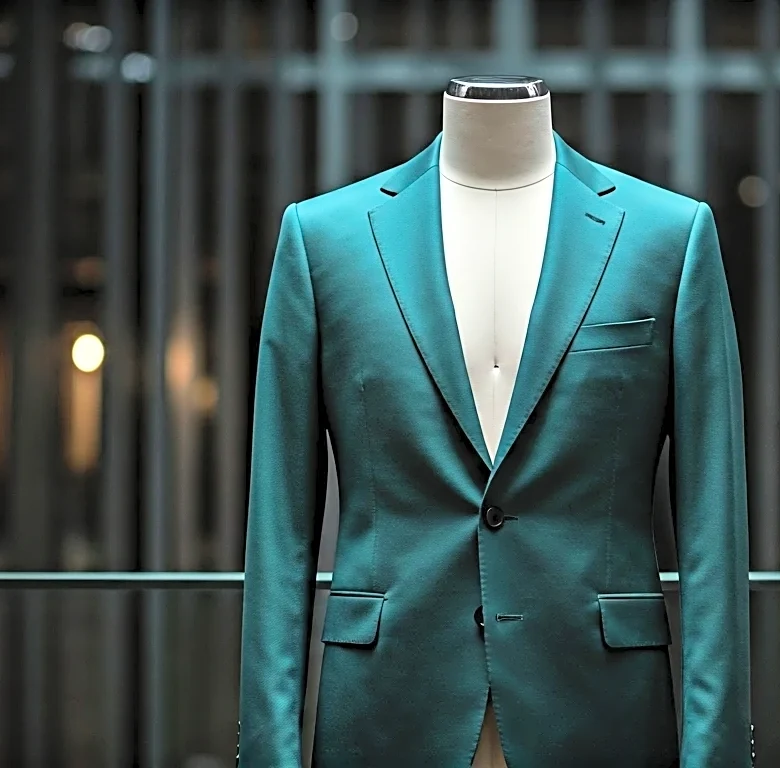
an ability to make difficult things look effortless. In fashion, it’s the art of looking impeccably stylish without seeming like you’ve tried at all. A brand-new, razor-sharp suit is the antithesis of sprezzatura. It’s stiff, perfect, and announces the effort involved. It says, “I just bought this, and I am following the rules.” The Pitti peacock, by contrast, wants to telegraph a deeper, more personal relationship with his clothes. A slightly unbuttoned shirt cuff, a tie just a little askew, or a linen jacket that has softened with wear—these are the subtle tells. They suggest the wearer is so comfortable in his own skin (and his tailoring) that perfection is beside the point. The goal is elegance, not rigidity.
The Character of the Cloth
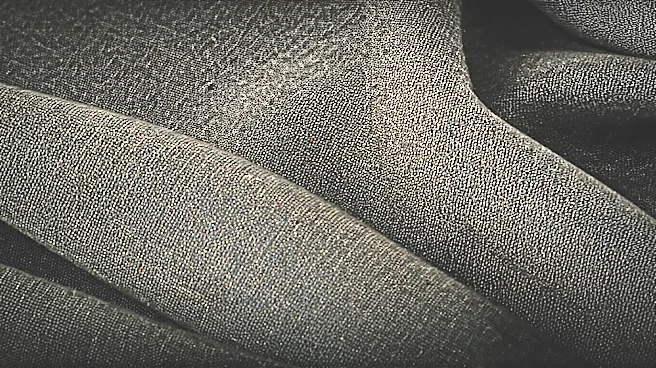
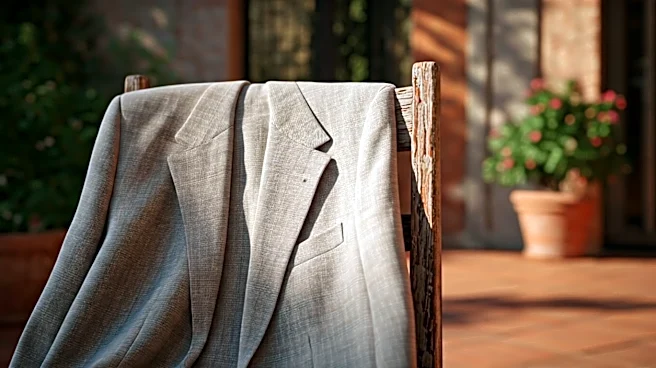
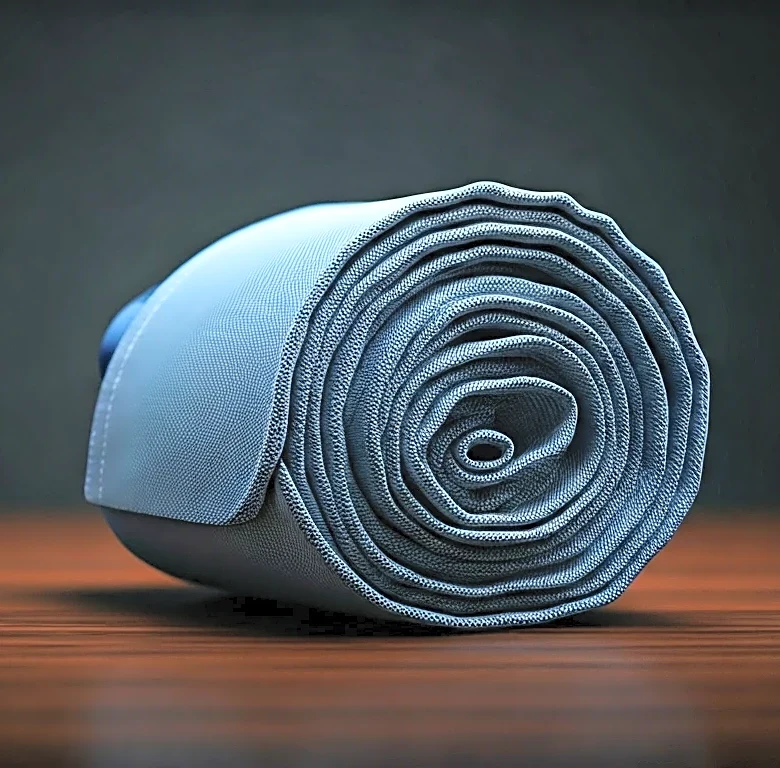
Summer suiting is a different beast than its all-season wool counterparts. The fabrics of choice—linen, cotton, seersucker, and lightweight tropical wools—are chosen for their breathability and comfort in the sweltering Florentine sun. A key characteristic of many of these materials, especially linen, is their tendency to wrinkle. And that’s not a bug; it’s a feature. Trying to keep a linen suit perfectly pressed on a 90-degree day is a fool’s errand. The men at Pitti embrace this. The rumples and creases that form throughout the day add character and texture. They are a visual record of a day spent walking, talking, and gesticulating with a Campari spritz in hand. A suit that looks lived-in also looks like it belongs in its environment. A starched, corporate-looking suit would seem wildly out of place amidst the ancient stone and casual elegance of an Italian piazza. The fabric is meant to breathe, move, and relax along with the wearer.
A Rejection of 'New Money' Flash
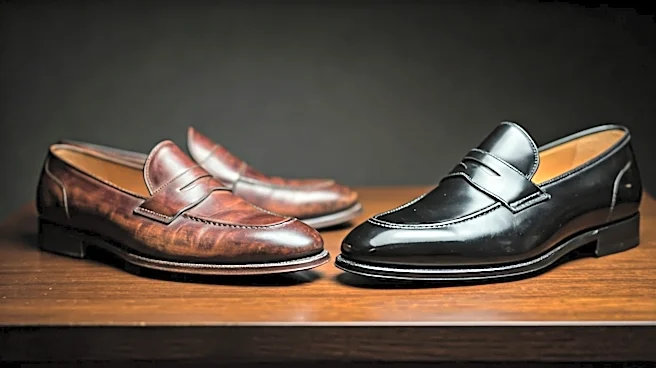
There's an undercurrent of 'old money' sensibility at play. A garment that looks too new can feel a bit… loud. It suggests a focus on consumption over personal style. A well-loved jacket, on the other hand, hints at a wardrobe built over time. It’s an heirloom, not a recent acquisition. This isn't about being rich; it's about conveying a sense of permanence and confidence. The man whose suit looks like it’s been a trusted friend for several summers is communicating that he isn’t chasing trends. He has his own style, and this piece is a part of it. The subtle fraying on a cuff or the gentle patina on a leather loafer tells a story. It’s the sartorial equivalent of a dog-eared book versus one still in plastic wrap. One has been enjoyed and integrated into a life; the other is just an object.
The Soft Shoulder Revolution
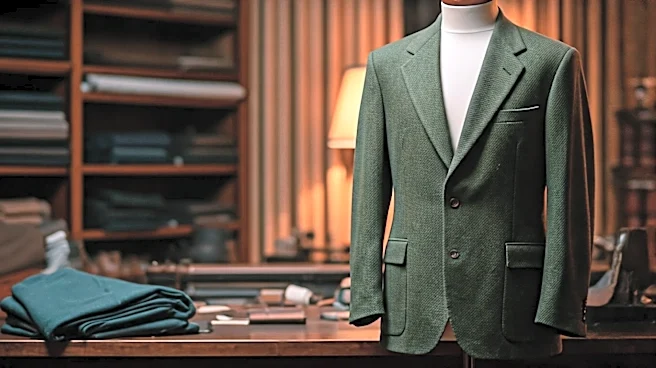
Much of this relaxed aesthetic is literally built into the suit. Many of the jackets seen at Pitti feature a Neapolitan shoulder, or *spalla camicia* (literally “shirt shoulder”). Unlike the heavily padded, structured shoulders of traditional English or American power suits, the Neapolitan shoulder has little to no padding. The sleeve is attached to the jacket in a way that creates a soft, natural line that follows the wearer’s body, often with a distinctive puckering at the seam. This single tailoring detail fundamentally changes the silhouette. It removes the rigid, commanding armor of a business suit and replaces it with something that drapes with the ease of a cardigan. It’s comfortable, less formal, and inherently looks less “constructed.” A suit built this way is designed from the outset to look and feel relaxed, not brand-new and boxy. It’s tailoring meant for living, not just for boardrooms.