



First Impressions and Cleanliness
Your assessment begins the moment you walk in. A reputable salon should be visibly clean from the workstations to the floors, and even the restroom. A strong, overwhelming chemical smell is a red flag for poor ventilation. Look for posted licenses for both
the salon and the individual technicians, which should be current. The technician should wash their hands between clients and ideally wear gloves. Any towels used should be fresh and clean, not reused from a previous service. These initial checks are strong indicators of the salon's overall commitment to hygiene.
Sterilization Is Not Negotiable
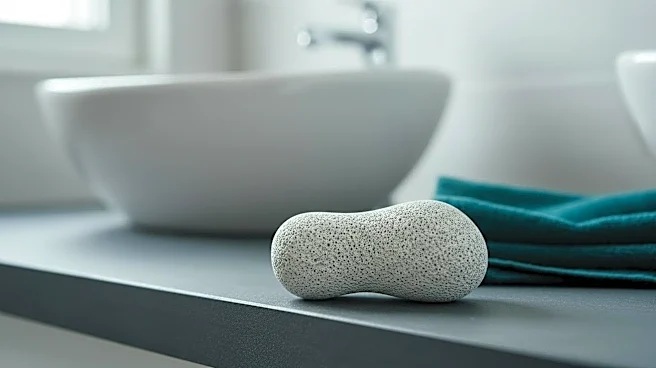
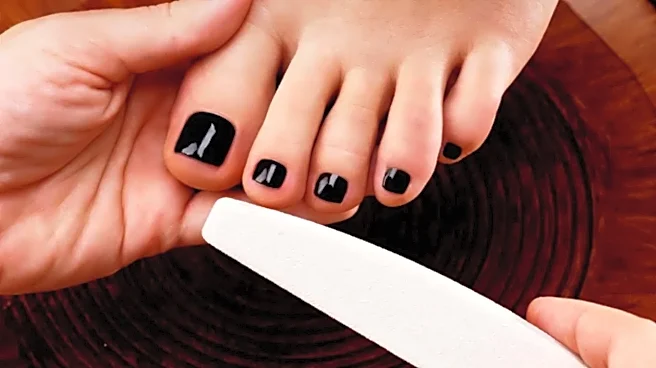
Properly sterilized tools are crucial for preventing the spread of bacterial and fungal infections. Metal instruments like clippers and pushers should be sterilized in an autoclave—a machine that uses high-pressure steam—and presented to you in a sealed, sanitized pouch that is opened in your presence. Tools soaking in a blue liquid are not considered sufficiently sanitized. Single-use items like nail files, buffers, and pumice stones should be brand new for each client and disposed of afterward. Don't be shy about asking how tools are cleaned; a professional salon will be happy to explain its procedures.
The Foot Bath and Prep
Before your feet hit the water, the basin should be thoroughly disinfected. The safest option is a tub with a disposable liner that is replaced for every new client. Tubs with jets and pipes can harbor bacteria and are harder to clean effectively. It’s also important not to shave your legs for at least 24 to 48 hours before your appointment. Shaving can create microscopic nicks in the skin, which provide an entry point for bacteria that might be present in the water.
Gentle Cuticle and Callus Care
This is where technique truly matters. Your cuticles are a natural barrier protecting your nail bed from infection, so they should never be cut. A good technician will gently push them back after they’ve been softened. Similarly, calluses should be addressed with a pumice stone or a foot file, not a blade or grater-like tool. Using razors is illegal for nail technicians in many states and dramatically increases the risk of cuts and serious infections. The process should never be painful; if it is, speak up immediately.
The Perfect Polish Application
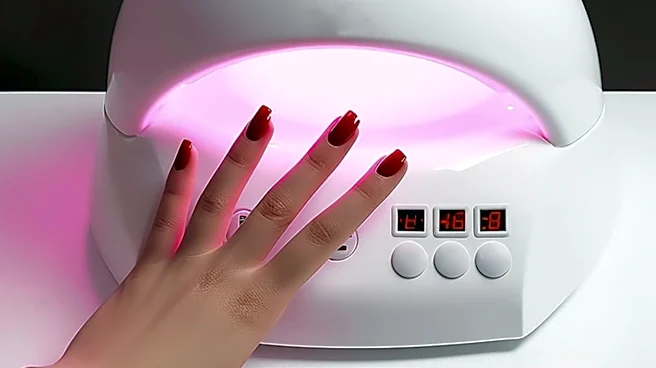
The final stage is the polish, and there's a right way to do it. The technician should first ensure your nails are completely free of any lotion or oil residue, which helps the polish adhere better and last longer. The process should always start with a base coat to protect your nails from staining. The polish itself should be applied neatly, without touching the surrounding skin. Finally, a top coat is essential for shine and longevity. While quick-dry products are common, allowing polish to air dry for as long as possible often results in a more durable finish.