


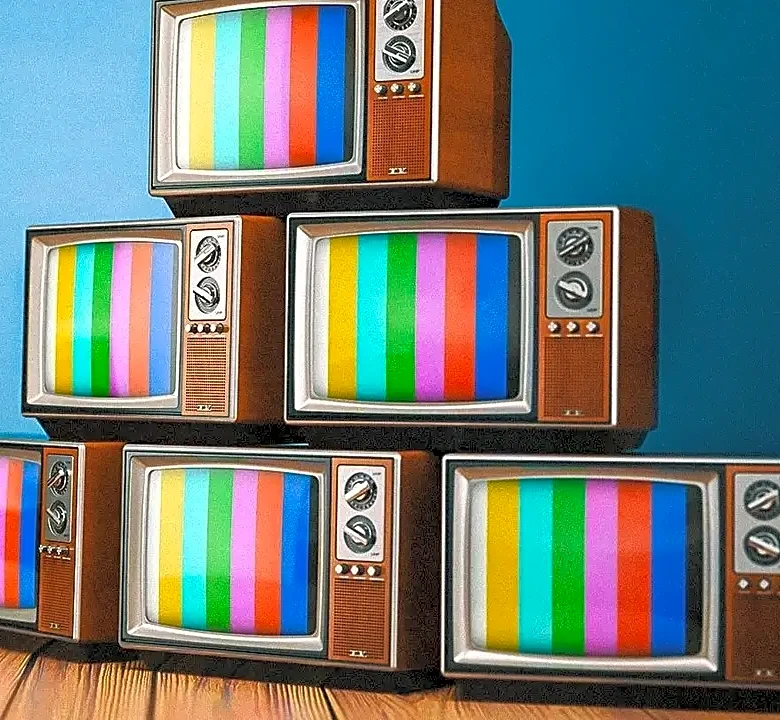



The Golden Age of Channel Identity
Not long ago, an "exclusive premiere" was a simple, powerful concept. A new show belonged to a single network. Think of HBO with The Sopranos or AMC with Breaking Bad. These weren't just shows; they were network-defining events that you could only watch
on that specific channel. This exclusivity was a network's entire brand identity. It was the core of their value proposition, the reason you paid your cable bill. The premiere was a cultural moment, discussed around the water cooler the next day because everyone had to watch it at the same time, on the same channel, or risk being left out. This model trained viewers to associate quality and prestige with a specific cable brand, creating fierce loyalty and making these networks destinations in their own right.
The Streaming Disruption
Then, streaming happened. First as a catalogue of old shows and movies, then as a producer of its own original content. This shift fundamentally broke the cable model. Suddenly, the goal for media conglomerates wasn't just to get you to watch their cable channel; it was to get you to subscribe to their streaming service. Legacy media companies like Disney, NBCUniversal, and Warner Bros. Discovery launched their own platforms (Disney+, Peacock, Max) to compete. The gravitational center of their business shifted from maximizing cable ad revenue and carriage fees to growing their subscriber count. This created a massive internal conflict: does a hot new show premiere exclusively on the cable channel to prop up its ratings, or does it go straight to the streaming app to attract new sign-ups? The answer, it turned out, was a messy and evolving 'both.'
The 'Exclusive' Redefined for a Hybrid World
In 2026, “exclusive premiere” has become a masterclass in strategic wording. It rarely means a show is only on a cable channel. More often, it signals the launch of a title across a company's entire ecosystem. An FX premiere is also a premiere on Hulu. A new HBO show debuts on the linear channel and on Max simultaneously. Sometimes, “exclusive” refers to a timed window. A show might have its premiere on a cable network like Great American Family, only to appear on its streaming counterpart, Great American Pure Flix, days or weeks later. Other times, you see the careful phrase “exclusive linear premiere,” which is a tacit admission that it’s also available to stream right now. The term is no longer about a single point of access but about the debut of a piece of content within a walled media garden.
Why Cable Premieres Still Exist at All
So if the focus is on streaming, why bother with cable premieres? For several key reasons. First, revenue. Companies want to monetize their expensive content in every way possible—through cable advertising, carriage fees from providers, and streaming subscriptions. A cable premiere is still a major advertising event. Second, demographics. The audience still watching linear TV tends to be older and less likely to navigate multiple streaming apps. A cable premiere remains the best way to reach this loyal, valuable group. Finally, it’s about managing a transition. As cord-cutting continues, media giants are trying to gracefully manage the decline of their legacy business while building up their new one, using big premieres as a bridge between the two worlds. The cable showing acts as a massive, multi-hour advertisement for the streaming service where viewers can find the rest of the season.