


An Echo of the School Bell
There's a simple, powerful reason the fall television season is so deeply ingrained in our minds as a fresh start: it was designed that way. For decades, the broadcast TV schedule was built around the academic calendar. Just as students were buying new
notebooks and heading back to school, the networks were rolling out their biggest and best new shows. This alignment created a powerful psychological link. Autumn became synonymous not just with changing leaves, but with new stories, new characters, and a new weekly routine. We were culturally conditioned from childhood to see September as a time of beginnings, and the TV schedule was a huge part of that shared experience. It was a national reset button, a collective turning of the page after the lazy, unstructured days of summer.
A Welcome Cure for Decision Fatigue
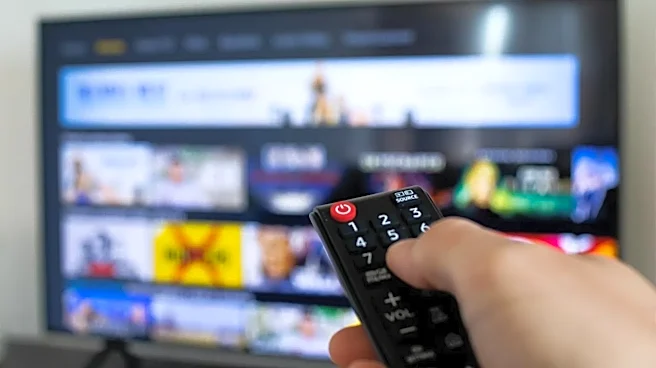
In 2026, we live in an era of overwhelming choice. Open any streaming service, and you’re met with a seemingly infinite library of content. While this on-demand world offers incredible freedom, it also creates a low-grade state of anxiety known as decision fatigue. What should you watch? What’s worth your time? The traditional fall lineup, even in its modern, fragmented form, offers a gentle antidote. For a few months, a curated slate of shows premieres on a predictable schedule. This structure doesn't just tell us what's new; it tells us what's intended to be significant. The networks are making a bet, and that shared bet creates a focal point. It narrows the field, giving us permission to stop scrolling and simply tune in. It’s a return to a simpler, more structured way of watching that feels like a relief.
The Digital Water Cooler
The idea of the “water cooler show”—a program everyone watched the night before and talks about at work the next day—seems like a relic. Yet, the impulse behind it is alive and well. The fall season, by concentrating so many major premieres in a short window, still manages to generate a powerful, collective conversation. That conversation has just moved from the office hallway to social media feeds and group chats. When a major new drama drops on NBC or a buzzy sitcom premieres on ABC, it creates a shared cultural moment. For a few weeks, we are all watching the same story unfold, more or less at the same time. This shared experience is a powerful social glue. It provides a common language and a communal point of connection in an increasingly individualized media landscape, making us feel part of a larger cultural conversation.
Nostalgia as an Emotional Anchor
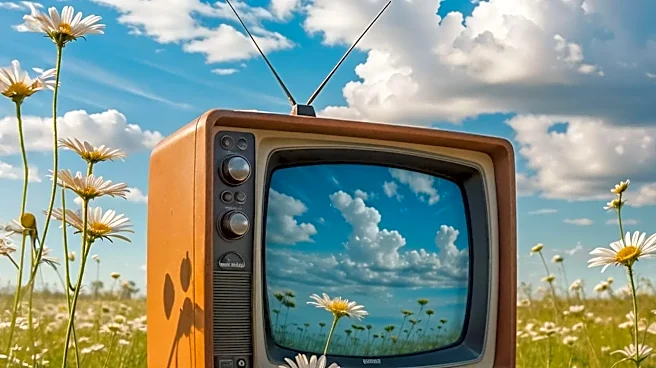
Ultimately, the enduring appeal of the fall TV season may come down to pure nostalgia. It’s a feeling rooted in memory and tradition. For anyone who grew up circling showtimes in a printed TV Guide, the season evokes a feeling of comfort and security. That anticipatory excitement is a powerful emotional trigger, connecting us to a time when entertainment felt simpler and more special. Psychologists note that nostalgia provides a sense of stability and connection, reminding us of joyful experiences. In a world that feels faster and more chaotic than ever, the ritual of the fall TV season is an anchor. It’s a familiar rhythm in an unfamiliar time, a piece of comforting predictability that delivers a dopamine hit of coziness and calm. It reminds us that some things, even as they change, can still feel like home.