


The Headliner Arms Race
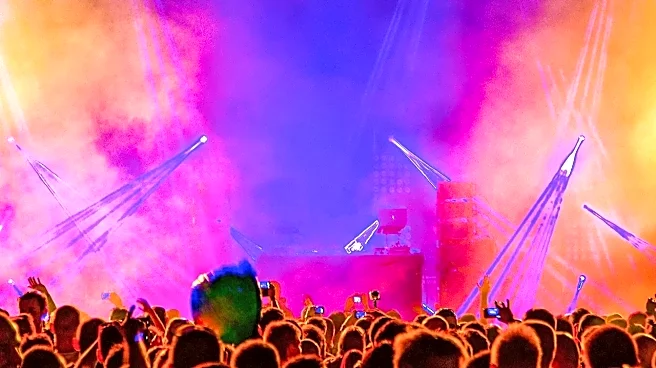
In the world of mainstream music festivals, the poster is everything. The entire business model hinges on a carefully curated, top-heavy list of names designed to create maximum hype and justify skyrocketing ticket prices. Events like Coachella are built
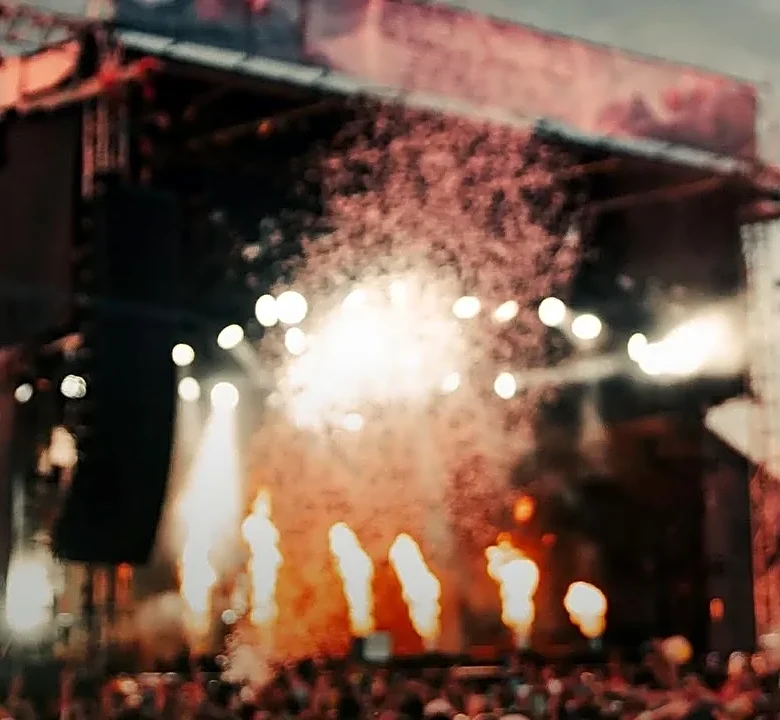
around a handful of mega-stars, whose exclusive bookings dictate the flow of tens of thousands of attendees. This creates a predictable but frantic experience: a mad dash from stage to stage, battling immense crowds for a glimpse of the artist you paid hundreds of dollars to see. Fans are often left exhausted, and the conversation afterward can fixate on whether a headliner's high-priced performance was worth it. This model has turned concert-going into an investment rather than a spontaneous joy, creating a crisis of accessibility and discovery in live music. The focus is on consumption, not participation.
The Black Rock City Anomaly
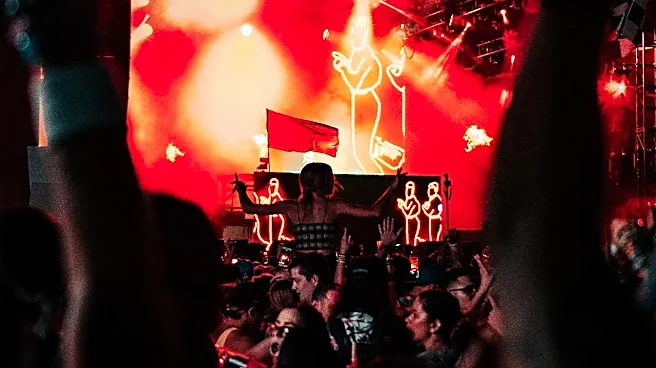
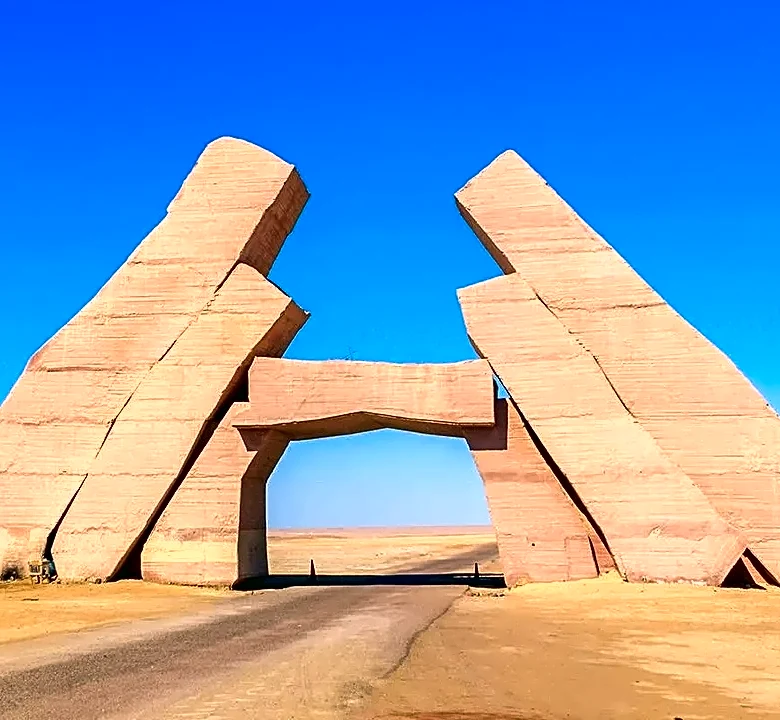
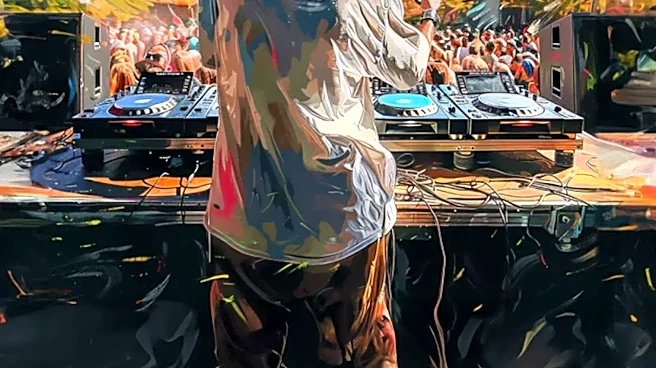
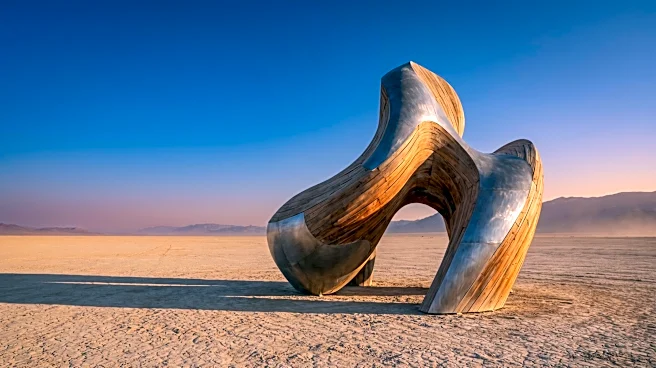
Then there’s Burning Man. The annual gathering in Nevada’s Black Rock Desert explicitly rejects this entire framework. There are no booked headliners. There are no corporate sponsors, no vendors, and no official entertainment schedule. The event is built on a set of 10 Principles, including "Decommodification" (resisting commercial transactions), "Radical Self-reliance," and, most importantly, "Participation." The “entertainment” is created entirely by the attendees, for the attendees. One theme camp might build a massive, fire-breathing octopus art car with a world-class DJ on its back, while another hosts a lecture on astrophysics or offers free grilled cheese sandwiches 24/7. The experience isn't about watching a show; it's about co-creating a temporary city filled with art, music, and spontaneous happenings.
The Freedom of No Expectations
By removing the headliner hierarchy, Burning Man fundamentally changes the nature of discovery. Without a main stage to fixate on, your attention is free to wander. The most memorable moments aren’t planned; they’re stumbled upon. You might follow the sound of a distant cello and find a lone musician playing to the sunrise, or wander into a small, makeshift tent and witness a breathtaking theatrical performance. This model fosters a sense of immediacy and wonder that is impossible when your entire day is dictated by a rigid schedule of big-name acts. It replaces the passive role of a spectator with the active role of an explorer. The pressure to “get your money’s worth” from a specific artist vanishes, replaced by the simple joy of being present in a world of unpredictable creativity. The value comes from participation, not consumption.
Can the Mainstream Learn Anything?
No one expects Coachella to become Burning Man. The latter is an intentional community experiment, not just a festival, and its harsh desert environment and radical principles aren't for everyone. However, the success of its core philosophy offers a powerful lesson for an industry struggling with fan burnout and homogenous lineups. Burning Man proves that the experience can be the headliner. Smaller festivals are already finding success by focusing on creating a unique atmosphere, immersive art, and a strong sense of community, rather than trying to compete in an expensive and unwinnable bidding war for the same dozen A-list artists. As ticket prices for traditional festivals become untenable for many, the appeal of an event built on communal effort and authentic connection grows stronger. Burning Man demonstrates that when you empower people to create their own entertainment, the result can be more vibrant and memorable than any scheduled performance.