
The Rose-Colored Rearview Mirror
Nostalgia is a powerful filter. It’s a psychological coping mechanism that helps us find comfort and meaning by looking back. When we reminisce, our brains are adept at smoothing over the rough edges of the past. We remember the triumphant headliner,
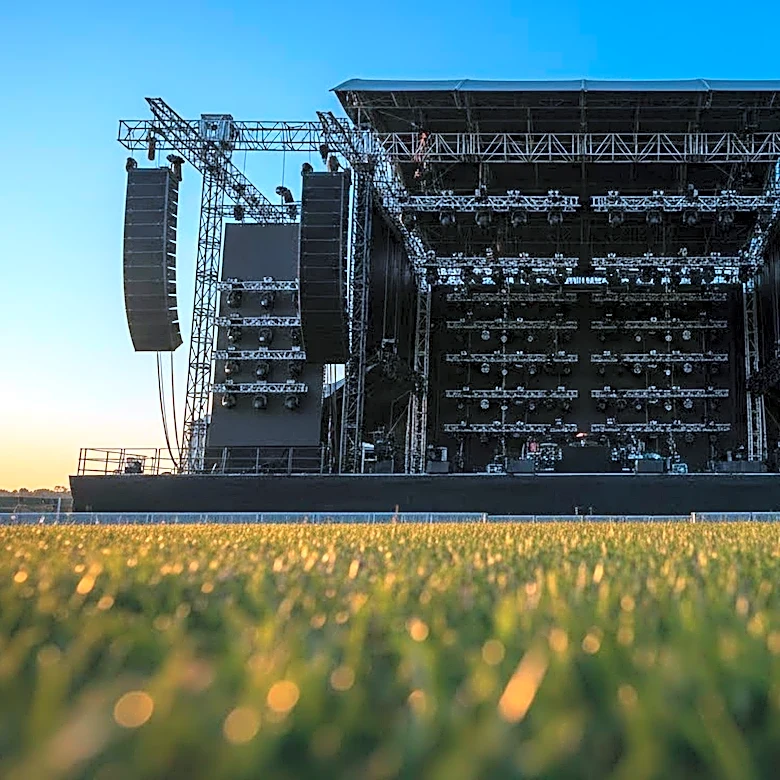
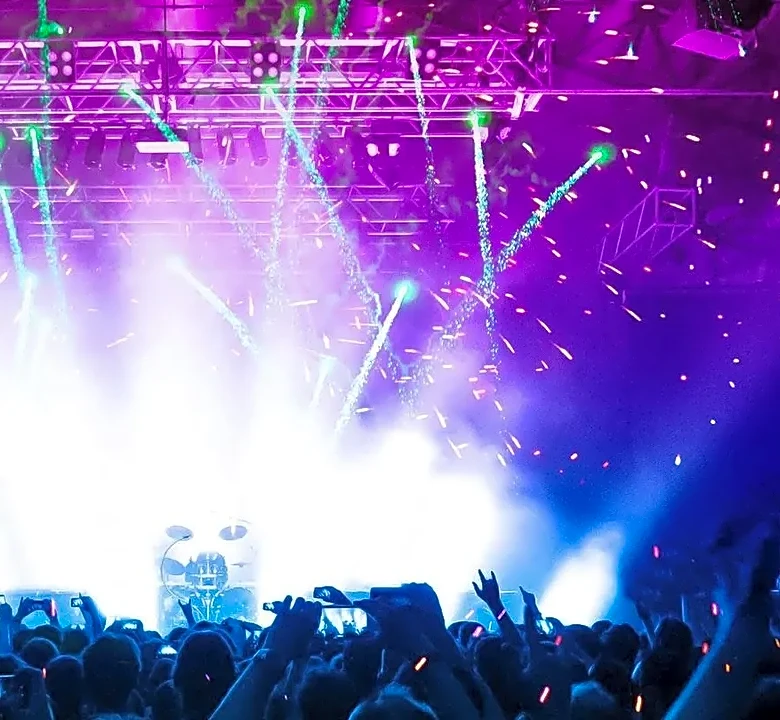
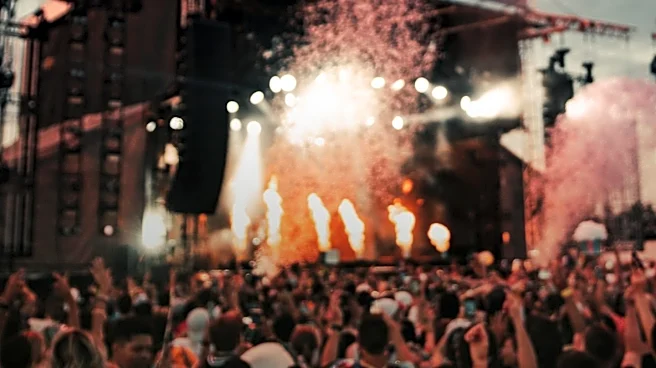
the sunset over the main stage, and the feeling of singing along with thousands of friends. We conveniently forget the three-hour traffic jam getting there, the overflowing porta-potties, the sound bleeding from another stage, or that one year it rained relentlessly and turned the entire field into an ocean of mud. Psychology calls this the “fading affect bias,” where the negative emotions tied to a memory fade faster than the positive ones. The “good old days” feel so good partly because our memory is an expert public relations agent, curating a highlight reel and burying the outtakes.
What 'Perfect' Really Meant
Let’s question the premise. Was the old festival truly perfect, or was it just perfect for you, right then? Much of what we cherish about past events isn't just the event itself, but the context of our own lives. Maybe it was the first festival you attended without your parents, the summer you and your college friends were inseparable, or a time when life simply felt less complicated. That magic isn’t necessarily something the festival organizers bottled; it was a product of your own youth, freedom, and personal history. Research shows that nostalgia provides a sense of continuity for our identity, connecting who we were to who we are now. Trying to recapture that exact feeling is like trying to fit into your old prom outfit. It’s not that the outfit (or the festival) is worse now; it’s that you’ve changed, and so have the circumstances.
The New Version's Unfair Burden
A new festival, or a radically rebooted one, doesn't just have to be good. It has to compete with a ghost—an idealized, flawless memory of its predecessor. Every change, from the corporate sponsors to the ticketing platform, is scrutinized against a mythical standard. If the old festival was a scrappy, grassroots affair, the new, more organized version is labeled a “sellout.” If the old one was chaotic, the new one’s efficiency is seen as lacking “soul.” Modern festivals often incorporate changes based on evolving expectations, like cashless payments, sustainability initiatives, and more elaborate experiences beyond the music. These might objectively be improvements, but they feel alien because they weren’t part of the original memory. We end up judging the new iteration not on its own merits or what it’s trying to achieve, but on how poorly it cosplays as something that no longer exists.
Giving Yourself Permission to Enjoy the Present
Here's the good news: you don't have to choose. You can cherish the memories of the old festival while giving the new one a fair shot. Embracing change isn’t a betrayal of the past; it’s an acknowledgment that culture, just like people, must evolve to survive. Many older festivals grew from a DIY spirit into massive commercial enterprises long before this latest change. The “purity” we mourn was likely gone years ago. Liking the new version doesn't erase the meaning of the old one. It simply means you're open to creating new memories. After all, today’s experiences are tomorrow’s nostalgia. Maybe the new layout is easier to navigate. Maybe the food is better. Maybe you’ll discover a new artist on a side stage who becomes your next obsession. You’re allowed to enjoy these things without pretending the original was flawless.