





The Remake Fatigue Is Real
For years, a familiar cycle has defined Disney's theatrical strategy: announce a live-action remake of a beloved animated classic, release a trailer that looks nearly identical to the original, and watch as audiences and critics debate whether it's a nostalgic
masterpiece or a soulless copy. From 'The Lion King's' hyper-realistic but expressionless animals to 'The Little Mermaid's' controversial character designs, the projects have been plagued by a perception problem. The critiques are often the same: they feel unnecessary, creatively bankrupt, and more like a shareholder mandate than a genuine artistic endeavor. This 'remake fatigue' has created a lose-lose scenario where straying too far from the original incites fan anger, while sticking too close invites accusations of laziness. The result is a growing cynicism toward a cornerstone of Disney's modern business model.
A Different Kind of Voyage
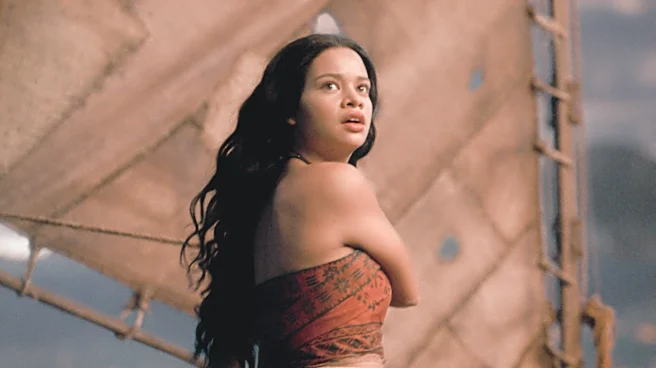
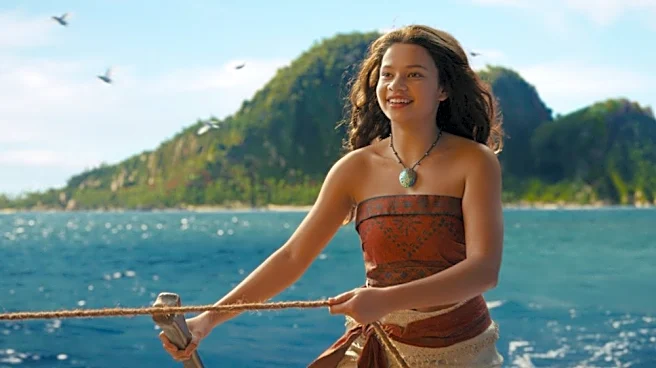
The live-action 'Moana', however, isn't following the same map. Its most significant departure is the deep involvement of the original creative and on-screen talent. Dwayne Johnson, who voiced the demigod Maui in the 2016 animated hit, is not only reprising his role but also serving as a key producer. His personal connection to the story, which he sees as an emblem of his Polynesian culture and a tribute to his grandfather, High Chief Peter Maivia, provides a level of authenticity and passion that can't be manufactured. Furthermore, the original film's screenwriter, Jared Bush, is co-writing the new script, and Auliʻi Cravalho, the original voice of Moana, is on board as an executive producer, passing the torch to 17-year-old Australian newcomer Catherine Laga'aia. This isn't a case of outsiders reinterpreting a classic; it feels more like the original storytellers expanding their own universe.
The Creator-Led Template
This creator-centric approach presents a new template for Disney. The relatively short ten-year gap between the animated original and the live-action release on July 10, 2026, reframes the project. It’s less of a 'remake' and more of a companion piece, akin to a Broadway adaptation that uses a new medium to explore the same story with a new cast and slightly different sensibilities. Director Thomas Kail, celebrated for his work on 'Hamilton', brings a theatrical sensibility that emphasizes character and story, suggesting the goal is not to replace the original but to offer a new, complementary experience. By having Johnson, Cravalho, and Bush involved, Disney is signaling a partnership with the creative forces behind the magic, rather than simply mining their past work for intellectual property. This shift from simple replication to creator-guided re-imagination could be the key to winning back skeptical audiences.
What's at Stake for the Mouse House
The stakes for the 'Moana' premiere are immense. If the film is a critical and commercial success, it could validate this new, faster, more collaborative remake model. It would prove that audiences are receptive to revisiting modern classics when the original creators are involved to honor and expand the story. A win for 'Moana' could pave the way for similar adaptations of films like 'Tangled' or 'Frozen', turning the remake machine into something that feels more artistically driven. However, if it fails to connect with audiences, it could be a devastating blow. A flop would suggest that the fatigue is terminal and that viewers are tired of all remakes, no matter how thoughtfully crafted. It would force Disney to reconsider a multi-billion-dollar strategy and send a clear message that the magic of animation is something that, perhaps, should be left in its original, perfect form.