



It Starts with the Fabric
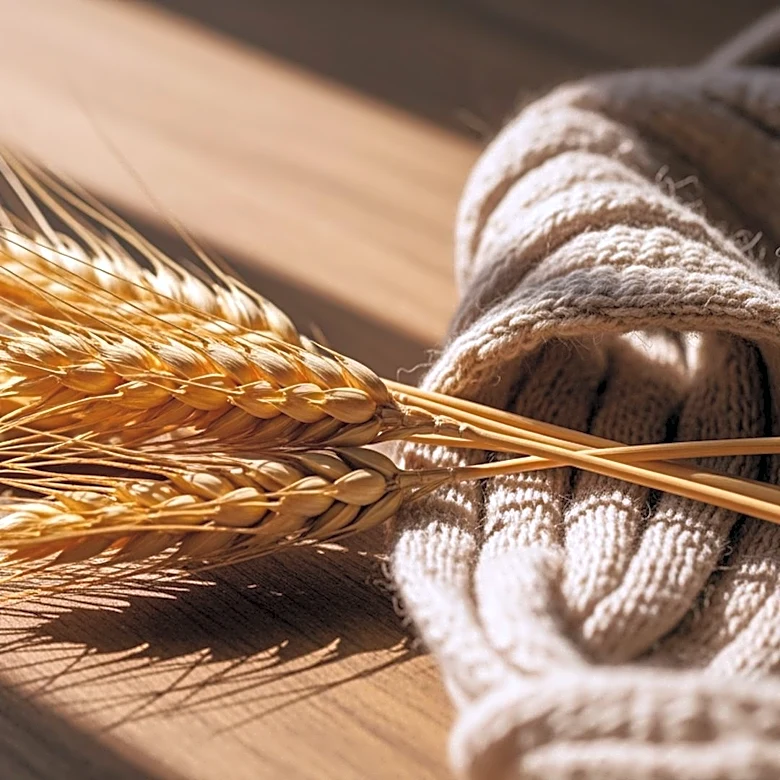
The single biggest differentiator—and the one you can literally feel—is the material. Mass-market brands use standard, short-staple cotton. It’s cost-effective but prone to pilling, thinning, and losing its shape after a few washes. Designer basics, however,
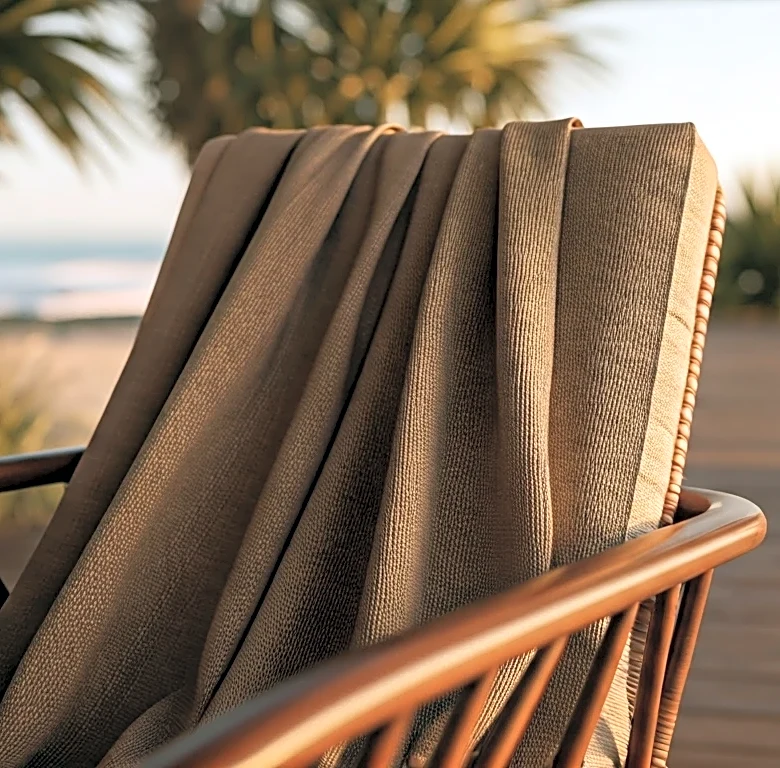
often start with superior raw materials. Think Supima or Pima cotton, which have extra-long fibers. These fibers create a yarn that is smoother, stronger, and more lustrous. The resulting fabric feels softer against the skin, drapes more elegantly, and resists the wear-and-tear of daily life and repeated laundering. The same principle applies to linen, where higher-end versions are made from longer flax fibers, resulting in less creasing and a silkier hand-feel. This choice of fabric isn't just an upgrade; it's the foundational decision that affects every other aspect of the garment, from how it holds color to how it hangs on the body.
The Artistry of the Cut
A t-shirt is not just a tube with two smaller tubes attached. The 'hidden detail' that makes a designer version work is often the silhouette itself. This is where pattern-making becomes an art form. A cheap t-shirt might have a generic, boxy cut designed to fit the widest range of body types poorly. A designer t-shirt is sculpted. The shoulder seam might be slightly rolled forward to sit perfectly on the collarbone. The body might have a subtle taper or use discreet side seams that are slightly curved to create a flattering line rather than just hanging limply. For shorts or trousers, it's about the rise, the inseam, and the placement of darts you might not even notice. These almost-invisible adjustments are the difference between an item of clothing that you wear and an item of clothing that feels like it was made for you. It’s a game of millimeters that results in miles of difference in comfort and confidence.
Construction Meant to Last
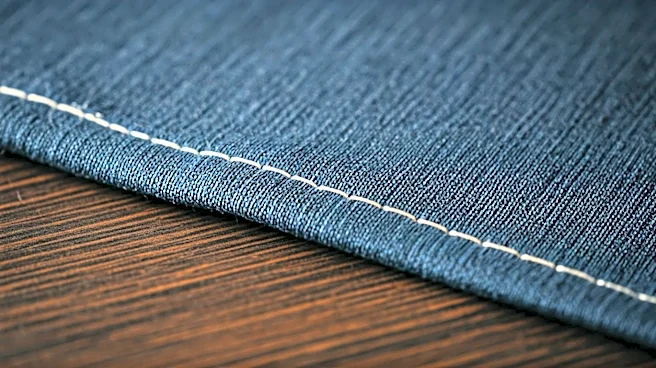
Flip a designer basic inside out. This is where the secrets of its longevity are hiding. On a standard garment, you’ll likely see overlocked or serged seams—a quick, efficient stitch that wraps the edge of the fabric. It works, but it can unravel or fray over time. On a higher-quality piece, you're more likely to find more durable finishes. Look for flat-felled seams (like the kind on high-quality jeans) or French seams, where the raw edge of the fabric is encased within the seam itself. This is a more labor-intensive process, but it creates a cleaner, stronger, and more comfortable finish. Pay attention to the details: the density of the stitching (more stitches per inch equals more durability), the quality of the buttons (real mother-of-pearl vs. plastic), and the smoothness of the zippers. These aren’t flashy logos; they are quiet signals of quality and an investment in the garment’s lifespan.
Color That Stays True
Ever bought a vibrant navy polo only to have it fade to a dusty, mottled blue after a few summers? That’s often the result of cheap dyeing processes. Creating deep, rich, and lasting color is a science. Luxury brands often invest in higher-quality dyes and more sophisticated, multi-step processes like garment-dyeing. This technique, where the entire finished garment is dyed at once, can create a softer feel and a more nuanced, lived-in color from the very first wear. The colors are engineered to be more stable, resisting fading from both sun exposure and washing. A high-end black t-shirt will stay a true, deep black for far longer than its mass-market counterpart, which might start turning a murky gray. This commitment to color integrity ensures the piece looks as good on its 50th wear as it did on its first.