


Myth: Any 'Color-Safe' Shampoo Will Do
The term "color-safe" on a label is a good start, but it doesn't tell the whole story. The most important thing to look for is what's not in the bottle: sulfates. Ingredients like sodium lauryl sulfate (SLS) create a rich lather but are harsh detergents
that can strip color molecules from the hair shaft along with dirt and oil. Think of them as being too effective for their own good. For maximum color preservation, your go-to should be a sulfate-free formula. These gentler cleansers clean your hair without aggressively lifting the hair's cuticle, which helps keep your expensive color locked in. Frequent use of strong clarifying shampoos can also prematurely fade color, as they are designed to strip away buildup.
Myth: Water Temperature Is a Minor Detail
This is perhaps the single biggest—and easiest—mistake to fix. Washing your hair in hot water is a primary cause of premature color fade. Here's why: heat causes the cuticle, the protective outer layer of each hair strand, to swell and open. When that happens, the color molecules deposited inside the hair during the coloring process can easily escape and rinse down the drain. Over time, this leads to dullness and fading. To prevent this, switch to lukewarm water for washing and conditioning. For an extra dose of protection, finish with a cool water rinse. This helps to seal the cuticle shut, locking in both moisture and color, which adds shine and vibrancy.
Myth: You Only Need to Protect Hair From Summer Sun
Just like your skin, your hair is vulnerable to sun damage year-round. Ultraviolet (UV) radiation from the sun breaks down the chemical bonds in hair dye, causing color to fade. This process, known as photobleaching, can turn rich brunettes dull, make blondes brassy, and cause vibrant reds to lose their punch. UV rays don't just affect the color; they also degrade the hair's protein structure, making it weaker. You don't need a beach day to experience it; even incidental exposure adds up. To combat this, look for leave-in conditioners or styling products that contain UV filters. When you know you'll be in the sun for an extended period, the simplest and most effective solution is a physical barrier, like a hat or a scarf.
Myth: Washing Hair Frequently Keeps It Healthier
While it might feel cleaner, washing your hair too often is one of the fastest ways to strip its color. Even with a gentle, sulfate-free shampoo and cool water, the simple act of washing causes a small amount of pigment loss each time. Water alone is responsible for a significant amount of color fade. Most stylists recommend washing color-treated hair just two to three times per week. On off-days, a good dry shampoo can absorb oil at the roots. If you exercise or feel the need to rinse, you can simply rinse your hair with cool water and apply conditioner to the ends without using shampoo, a trick some stylists call a "faux wash." This gives you a refreshed feeling without the color-stripping effects of a full wash.
Myth: Heat Protectant Is Only for Blow Drying
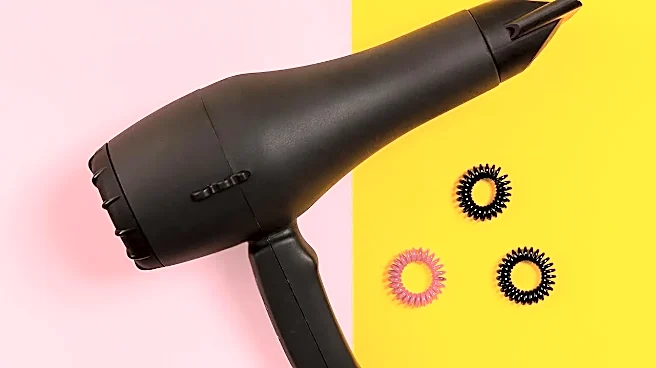
Any time you apply high heat to your hair—whether from a blow dryer, a flat iron, or a curling wand—you are opening the hair cuticle. Just like hot water, this heat can cause color to fade and can even alter the tone over time, often making it warmer or brassier. Skipping a heat protectant spray, even just once in a while, adds up to cumulative damage and color loss. These products work by creating a protective barrier over the hair strand, shielding it from the direct, intense heat and helping to prevent moisture loss. Using a heat protectant every single time you style is a non-negotiable rule for keeping your color true and your hair's integrity intact.