
The Art Fair Endurance Test
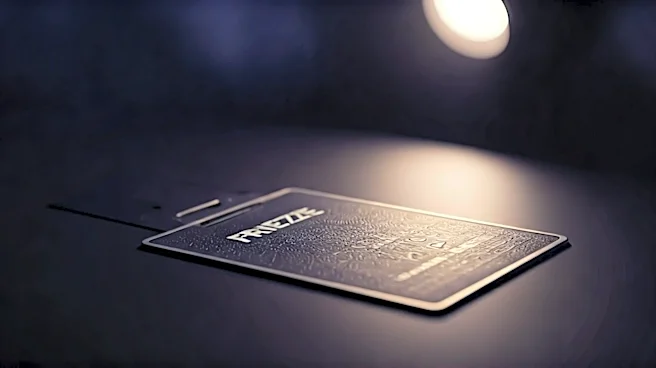
First, let’s be practical. An art fair like Frieze, held at The Shed in Hudson Yards, is a marathon, not a sprint. You’re on your feet for hours, navigating sprawling booths, crowds, and multiple levels
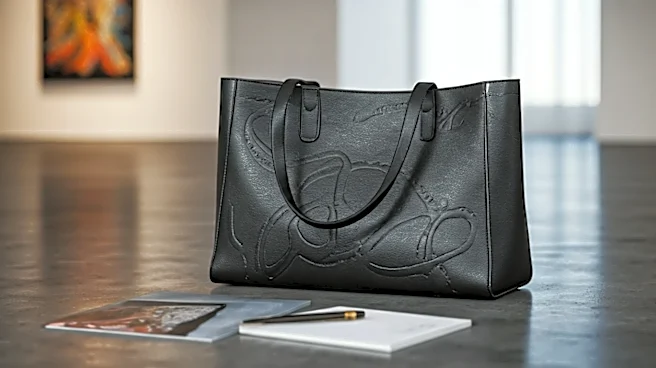
of exhibitions. The chic-but-impractical micro-bag that looks great on Instagram is a rookie mistake here. Seasoned attendees know the game requires sustenance and supplies. Your oversized tote is a mobile base camp. It holds the essentials: a water bottle (because hydration is key), a portable charger (because your phone will die documenting art and spotting celebrities), a light sweater (for aggressive air conditioning), and comfortable shoes to swap into when the heels become an instrument of torture. More importantly, it’s where you stash the spoils of the day—thick gallery catalogs, artist pamphlets, business cards, and perhaps even the coveted Frieze-branded VIP bag itself.
The Statement of Not Making One
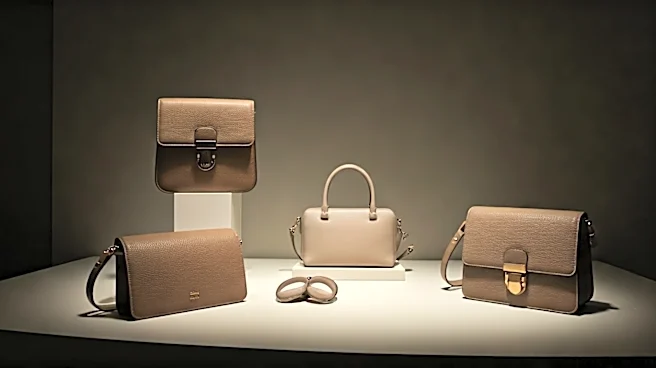
In a space where fashion can feel like a competitive sport, the oversized tote functions as a form of sartorial non-aggression. It’s a power move disguised as an afterthought. While some attendees opt for head-to-toe runway looks, the art world cognoscenti—gallerists, curators, critics, and serious collectors—often lean into a uniform of studied nonchalance. Think tailored blazers, expensive-looking sneakers, and, of course, the giant tote. A ludicrously capacious bag from a brand like The Row or Khaite whispers wealth, but even a simple canvas tote from a beloved bookstore or a European museum telegraphs cultural capital. It says, “I’m too engrossed in the art and the business at hand to be bothered with a fussy, performative handbag.” In this context, the tote isn’t just carrying your things; it’s carrying an aura of intellectual seriousness and insider status.
A Signal of Serious Intent
The size of your bag can also signal your purpose. A visitor with a tiny crossbody bag might be there for a casual browse and a few photos. Someone wielding a tote capable of holding a small dog, however, looks like they mean business. This is the bag of a person who is there to acquire—whether that’s a multi-thousand-dollar sculpture or simply the knowledge contained in every piece of printed matter they can gather. For gallerists and their staff, the tote is an essential tool of the trade, a portable office for carrying laptops, contracts, and client information. For a collector, it projects readiness. This isn’t just a social outing; it’s a mission. The bag is less a fashion choice and more a piece of essential equipment, like a carpenter’s tool belt or a doctor’s medical bag.
The Perfect Metaphor for the Art World
Ultimately, the oversized tote is the perfect emblem for the modern art world itself: a blend of high-minded culture and cutthroat commerce, all wrapped up in an aesthetic of effortless cool. It bridges the gap between the esoteric and the everyday. The art on the walls may be challenging, conceptual, and worth more than a house, but the logistics of appreciating it require something profoundly down-to-earth. The tote acknowledges this reality. It's democratic enough that a student can carry a canvas version, yet hierarchical enough that a billionaire can carry a five-figure leather one. It’s functional, it’s a status signifier, and it’s a subtle nod to being part of a tribe. It proves that at Frieze, the most powerful statement isn’t always the loudest one—sometimes, it’s the one big enough to carry everything else.