




The Patriotism Paradox
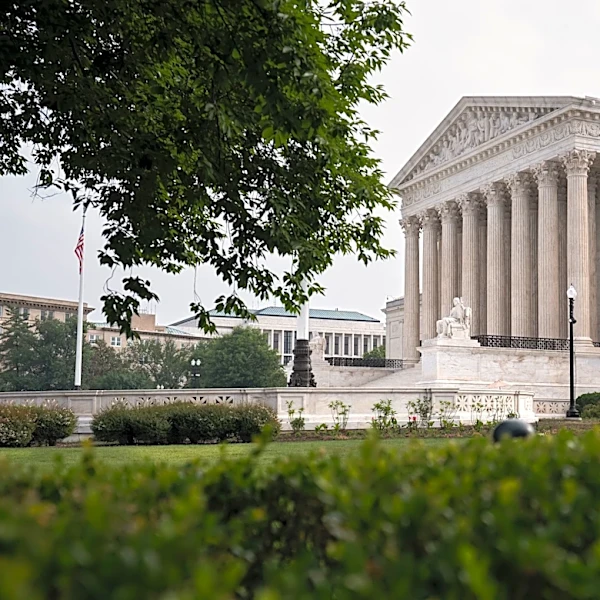
The core problem facing America 250 planners is that the very idea of national unity feels fraught. In an era of intense political polarization, shared symbols are often contested ground. A flag, a song, or a historical figure can evoke pride in one person
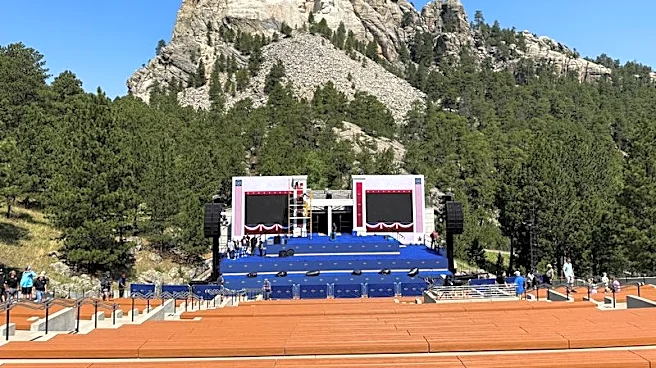
and provoke anger in another. The official mission of America250, the congressionally chartered nonpartisan organization, is to “educate, engage, and unite us as a nation.” But recent events have shown how difficult this is, with planning becoming entangled in the nation's broader culture wars. The alternative to wrestling with this complexity is to offer a sanitized, generic version of American identity—one so broad and inoffensive it fails to connect with anyone's lived experience. This is the tightrope walk: create a celebration that acknowledges a messy reality while still finding common cause. It’s a task that requires moving beyond easy platitudes and embracing a more honest form of patriotism.
Lessons from the Bicentennial
We’ve been here before. The 1976 Bicentennial also occurred during a period of national cynicism and division, following the Vietnam War and the Watergate scandal. Yet, it is largely remembered as a unifying success. What went right? After initial federal plans became mired in controversy, the strategy shifted. Instead of a top-down, monolithic celebration, the Bicentennial empowered thousands of local, community-driven projects. It was celebrated with folksy charm—from “Bicentennial Minutes” on TV to red, white, and blue everything. The key lesson was that unity didn't come from a single, grand narrative imposed from Washington, but from a mosaic of smaller, more personal celebrations. It showed that people could come together to celebrate their shared history on a local scale, even when they were divided on national issues.
Go Specific, Not Broad
The most effective antidote to blandness is specificity. Instead of a vague tribute to “liberty,” the most compelling entertainment will tell the specific story of a single person’s fight for it. Rather than an abstract celebration of “innovation,” showcase the messy, human journey of one inventor. This approach allows for nuance and complexity. For example, the Smithsonian is planning an exhibit with 250 objects that tell America’s story, including Abraham Lincoln’s top hat and abolitionist Harriet Tubman’s hymnal. These specific objects are powerful because they are tangible links to real, complicated histories. A celebration that features a multitude of specific, diverse stories—of triumph, struggle, and everything in between—is inherently more interesting and more honest than one that relies on generic themes. It allows different communities to see their own experiences reflected in the larger national story.
An Invitation, Not a Command
Perhaps the biggest conceptual shift required is to redefine what “unifying” means. A successful 250th anniversary shouldn’t be one where everyone is forced to agree or sing the same song. Instead, it should be an invitation for everyone to join the same, often contentious, national conversation. Entertainment can be a forum for this. It can pose difficult questions, present conflicting viewpoints, and reflect the messy reality of American democracy. Unity can be found in the shared act of grappling with our history and our future, not in ignoring the parts that make us uncomfortable. As some historians have noted, moments of national commemoration have always been sites of struggle over who we are as a nation. Acknowledging that struggle, and even making it part of the celebration, is more authentic than pretending it doesn't exist.
From the Ground Up
Ultimately, the success of America 250 will be determined far from the National Mall. Following the Bicentennial's lead, the most meaningful and unifying entertainment will be local. The goal should be to empower towns, historical societies, schools, and arts organizations to tell their own stories. This grassroots approach has several advantages. It avoids the politicized nature of the national stage, makes the celebration relevant to people’s lives, and fosters a sense of ownership. When a community in Washington state works to preserve its local records, or a commission in Connecticut holds listening sessions to hear what the anniversary means to its residents, that is where genuine connection happens. A national celebration can provide the theme and the platform, but the soul of the event must come from the ground up.