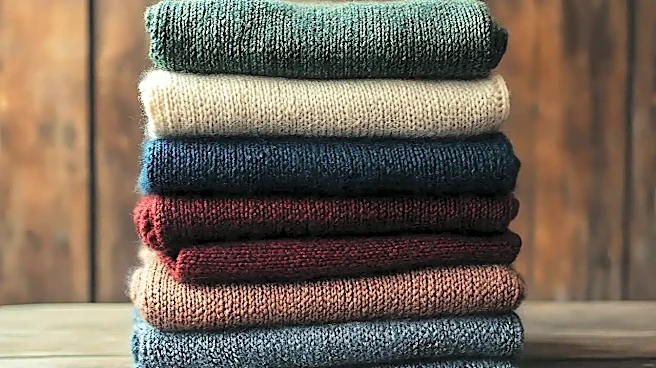








It’s a feeling many of us know: pulling on a wool sweater and sensing an immediate, comforting warmth that doesn't come with suffocating weight. But how does this natural fiber pull off the magic trick of being so cozy without being bulky?
The Secret Is in the Crimp
The primary
reason wool is such a fantastic insulator lies in its very structure. Under a microscope, a single wool fiber isn't straight; it's naturally wavy, a feature known as 'crimp'. This three-dimensional, spring-like shape creates millions of tiny air pockets within the fabric. These pockets are crucial because they trap your body heat, slowing its escape into the cold air around you. It’s like wearing a personal layer of insulation. Because the warmth comes from trapped air rather than dense material, the fabric can remain surprisingly light. This structure is so effective that wool is even used as a natural, sustainable insulation material in buildings.
A Master of Moisture Management
Here’s where wool truly separates itself from other materials, especially synthetics. Wool is hygroscopic, meaning it can absorb a significant amount of moisture vapor—up to 30% of its own weight—without feeling damp or clammy to the touch. When you sweat, wool fibers absorb that moisture from your skin and move it to the surface of the fabric to evaporate. This wicking process is vital for warmth. Other fabrics, like cotton, simply get soaked, and that trapped moisture rapidly chills your body. Wool, by keeping the surface of the fabric and your skin dry, prevents this heat loss, ensuring you stay warm and comfortable.
It Actually Generates Heat
It sounds like science fiction, but wool can generate its own heat in a process called 'heat of sorption'. When wool fibers absorb moisture vapor from the air or from your body, a chemical reaction occurs as the water molecules bind to the fiber's internal structure. This process actually releases a small but noticeable amount of heat. So, on a cool, damp day, a wool garment is actively working to create warmth as it pulls humidity from the air around you, establishing a dry, warm microclimate right next to your skin. One study even found that a kilogram of merino wool can produce as much heat over eight hours as an electric blanket through this process.
Breathability Prevents Overheating
The same air pockets that trap heat for insulation also allow the fabric to breathe. This is the key to wool's remarkable temperature-regulating ability. While it keeps you warm when it's cold, it also prevents you from overheating when you're active or move indoors. The structure allows excess heat and moisture vapor to escape, so you don't get that sticky, stuffy feeling common with less breathable synthetic insulators that trap everything. This dynamic ability to both insulate and ventilate is what makes wool comfortable across a wide range of temperatures and activity levels, whether you're on a winter hike or just sitting in a cool office.