




The New Battleground for Canceled Shows
It’s a familiar story in modern television. A critically respected but modestly-viewed show gets the axe from a streaming giant chasing blockbuster numbers. The cast and crew post their heartfelt goodbyes. But then, something else happens. The fans don’t
just mourn; they organize. The initial, often-futile #SaveOurShow campaign pivots to a new, more strategic goal: #EmmysForOurShow. Suddenly, awards season is no longer just about celebrating the best of television—it's about avenging the fallen. An Emmy nomination, or better yet a win, becomes the ultimate validation, a permanent, public record proving the network executives were wrong. This phenomenon has turned industry awards into a new front in the war between passionate fan communities and corporate content strategy.
From Protest Petitions to Emmy Nominations
This isn't just a theory; it's a recurring pattern. History is filled with examples of shows receiving posthumous awards love, often after fervent fan outcry. Cult classics like "Freaks and Geeks" and "Arrested Development" both earned Emmy nominations after their untimely cancellations. More recently, the trend has accelerated in the streaming era. The campaign to save "Warrior Nun" after its Netflix cancellation was a masterclass in modern fan organizing, complete with billboards in Los Angeles and New York, a petition with over 100,000 signatures, and a global social media presence. While the initial goal was renewal, the campaign also included a push for Emmy recognition for its stars. Similarly, when Max canceled the queer pirate rom-com "Our Flag Means Death," fans mobilized instantly, raising money for a Times Square billboard and a plane to fly a banner over Hollywood. These highly visible, passionate campaigns ensure that even if a show is gone, it is far from forgotten by the time awards voters fill out their ballots.
The Psychology of a 'Revenge' Nomination
What drives this intense post-cancellation awards push? It’s about more than just a trophy. For dedicated fans, a show can become a core part of their identity and community. A sudden cancellation feels like a personal slight, a dismissal of their passion by a faceless corporation. Campaigning for an award is a way to reclaim agency. It channels frustration into a productive, visible goal. An Emmy nomination serves as undeniable proof of the show's quality and cultural impact, a legacy that can't be erased by a low viewership quadrant or a shift in corporate strategy. In a sense, it's the final word. The streaming service may have ended the series, but a nomination or win etches its name into television history, providing a sense of victory for the fans who fought for it.
Does the Uproar Actually Work?
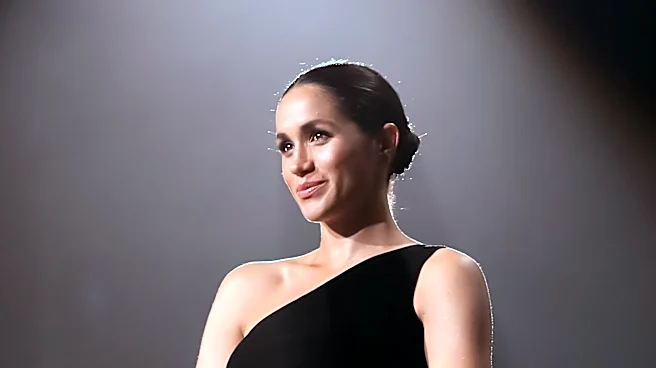
The big question is whether these campaigns truly influence the thousands of Television Academy voters. The answer is complicated. Voters are industry professionals, and while they aren't immune to buzz, they aren't simply swayed by trending hashtags. However, these campaigns do something crucial: they keep a show in the conversation. The endless social media chatter, the press coverage of fan efforts, and the high-profile billboards all serve as a form of 'For Your Consideration' advertising that money can't always buy. It ensures a canceled show isn't out of sight and out of mind. The surprise 2026 Daytime Emmy nomination for Meghan Markle's canceled Netflix series "With Love, Meghan" or the record nine nominations for the final season of "The Late Show With Stephen Colbert" show that canceled programs can still break through. While it's hard to draw a direct line from a fan petition to a nomination, the sustained passion reminds voters that a show mattered—and that its artistic merit deserves one last look.