
More Than a Marketplace
To the uninitiated, New York Comic Con might look like the world’s biggest pop culture mall, a sprawling bazaar of exclusive merchandise, toys, and coveted collectibles. But to define it by its commercialism
is to miss the point entirely. While major companies like Marvel and DC have a massive presence, the true heartbeat of the convention is found in the interactions that connect the present to the past. For its 20th anniversary, organizers have leaned into this, celebrating how the event has become a central nervous system for fandom that can only be experienced live. It’s a place designed not just for consumption, but for connection—a bridge between the stories fans love and the history that created them.
Panels as Living History Lessons
The panel rooms at the Javits Center are where comic history is actively documented and debated. Far from just promoting upcoming movies or TV shows, many panels function as live historical records. The 2026 schedule includes retrospective discussions, such as a celebration of the Star Trek franchise's 60th anniversary and a look back at the beloved sitcom Brooklyn Nine-Nine. Major publishers host deep dives into their legacy imprints, like DC's panels on its Vertigo and Black Label lines, which redefined mature storytelling in comics. These sessions bring together legendary creators and modern writers to discuss their work, share behind-the-scenes anecdotes, and contextualize iconic characters for a new generation. When a creator like Todd McFarlane takes the stage for a spotlight panel, it’s not just an interview; it's a masterclass in comic book evolution, delivered directly from the source.
Artist Alley: The Direct Connection
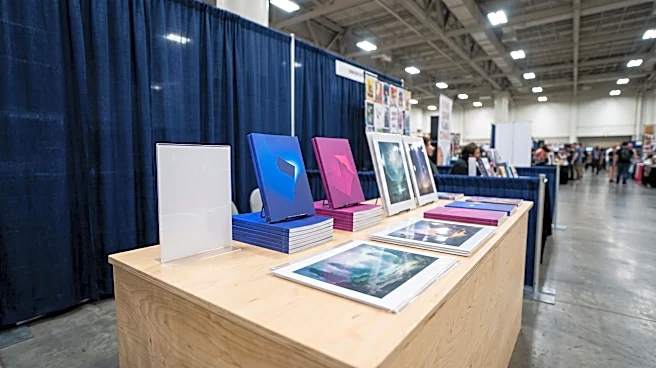
Nowhere is the archival function of NYCC more apparent than in Artist Alley. This sprawling section of the show floor hosts over 500 creators, from industry legends to rising stars. It's a space where fans can get their comics signed and have a personal encounter with the minds that shaped the medium. Here, you can find Wendy and Richard Pini, creators of the seminal independent comic ElfQuest, at their table just a few aisles away from the industry's hottest new talent. This proximity collapses time, allowing a fan to hold a comic from their childhood while its artist signs it, sharing a story about its creation. It transforms a printed object into a personal artifact and a fleeting conversation into a lasting memory, reinforcing the human element behind the four-color pages.
Cosplay as Interpretive Art
Cosplay is often seen as the most visible and celebratory aspect of Comic Con, but it’s also a powerful form of historical interpretation. When fans dedicate hundreds of hours to recreating the costume of a Silver Age hero or a villain from a '90s animated series, they are doing more than just dressing up. They are embodying a piece of history, becoming walking, talking tributes to a specific era of character design and storytelling. For its 20th anniversary, NYCC has a “Coney Island” theme, encouraging creative, retro-themed costumes. DC Comics is even hosting a professional 360-degree photo experience to capture the creativity, turning fans into runway stars. This act of reinterpretation keeps older characters and designs relevant, introducing them to new audiences and ensuring they remain part of the living, breathing canon of pop culture.