
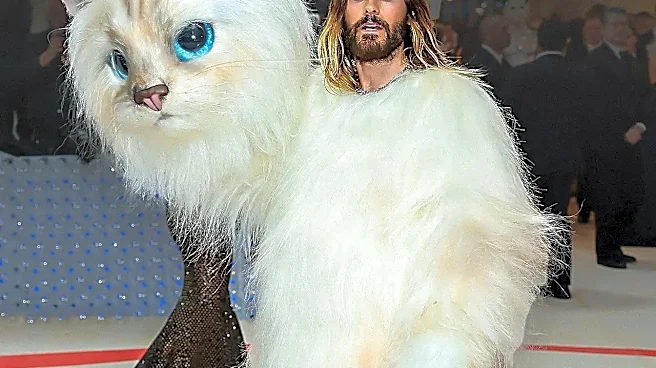
Walk the floor of New York Comic Con, and you’ll see a vibrant sea of characters. For every hero from a blockbuster released last month, there’s another from a film that premiered decades ago. This isn't just nostalgia; it's a living archive.
An Act of Cultural Curation
At its heart,
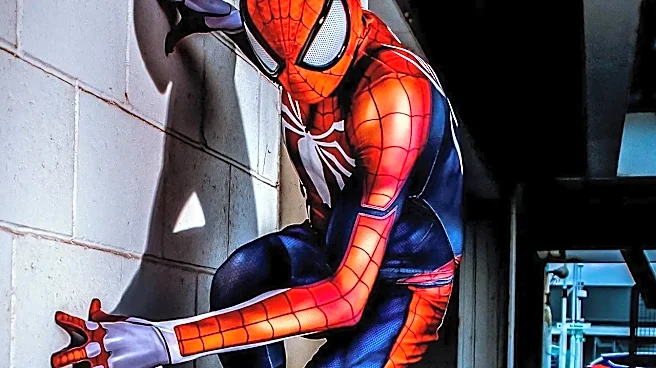
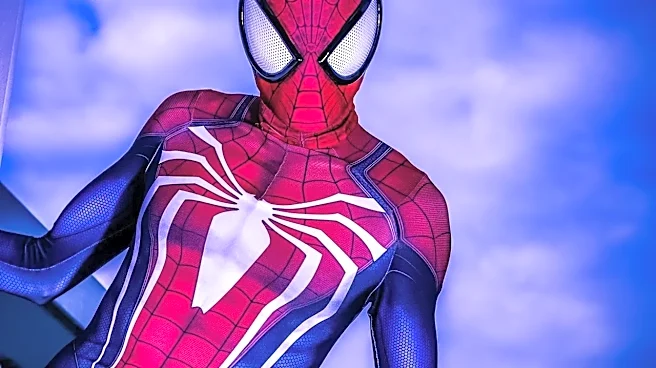
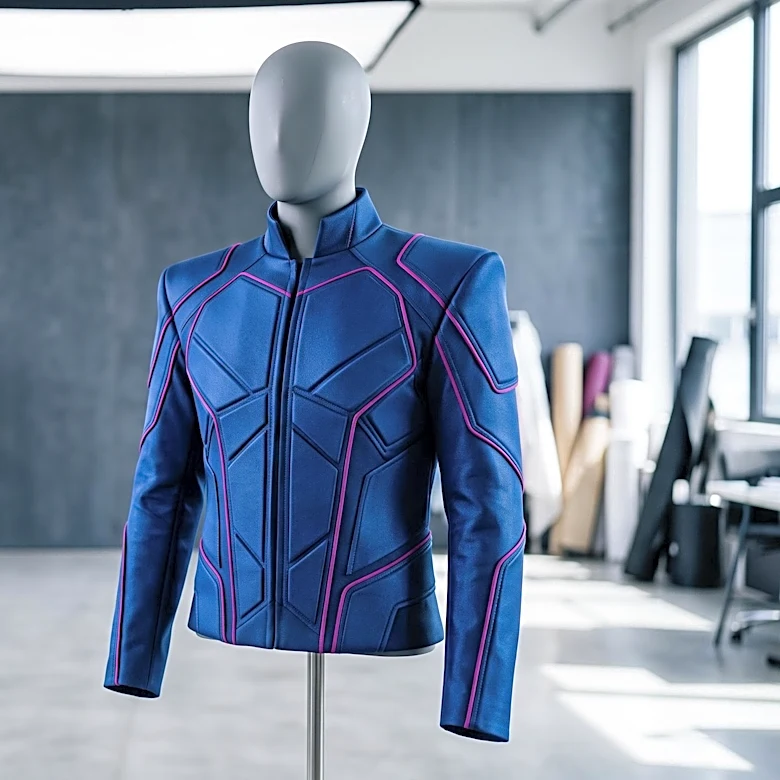
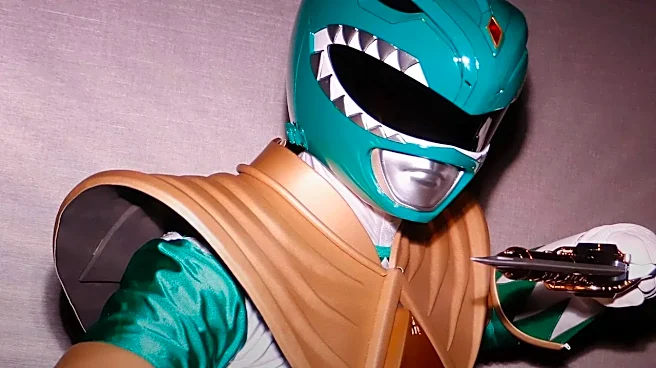
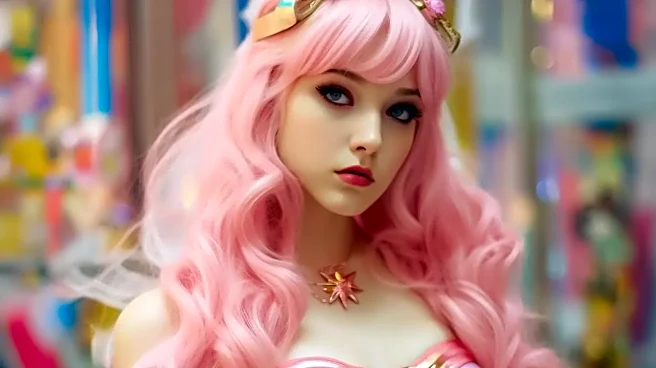
cosplay is an act of love. Crafting a costume, whether it’s sewing a cape, 3D-printing armor, or styling the perfect wig, requires hundreds of hours of dedication. This effort transforms a fan into a curator. By choosing to embody a character from an older, perhaps dormant, franchise—be it a Ghostbuster, a Starfleet officer from the original series, or a warrior from a classic 80s anime—a cosplayer makes a powerful statement: “This story still matters.” They are not just wearing a costume; they are carrying a torch for a piece of pop culture, ensuring it remains visible and celebrated in a space crowded with the new and the now. This passion is the engine of a unique form of cultural preservation, driven entirely by the audience.
The Nostalgia Engine Roars
Events like New York Comic Con, which is celebrating its 20th anniversary in 2026, function as massive hubs for this phenomenon. This year, with an official '80s cosplay meetup on the schedule, the celebration of retro properties is more organized than ever. When a group of fans meticulously recreates the entire original cast of the X-Men, or someone unveils a perfectly weathered C-3PO, it does more than just make for a great photo opportunity. It triggers a wave of nostalgia in onlookers, reminding them of a story they once loved. It’s a visual spectacle that reignites affection. Suddenly, people are pulling out their phones not just to snap a picture, but to look up when that old show is streaming, discuss their favorite moments, and share the image with friends who also grew up with that franchise.
A Bridge Between Generations
Perhaps the most critical role of this retro cosplay is its function as an intergenerational bridge. A younger attendee, whose pop culture landscape is dominated by the latest Marvel releases or currently airing anime, might not recognize a character from a 1970s sci-fi film. But when they see an incredibly crafted costume of that character, their curiosity is piqued. The visual splendor of the cosplay becomes an entry point. A simple question of “Who are you supposed to be?” can lead to a passionate explanation from the cosplayer, a quick search online, and ultimately, a new fan for a 40-year-old franchise. In this way, cosplayers act as ambassadors for the media they love, personally introducing foundational stories to a new generation that might have otherwise missed them entirely.
The Unofficial Marketing Team
While born from passion, this visibility has a very real, if often unintentional, commercial impact. Studios, publishers, and game developers pay close attention to what is popular on the convention floor. Sustained, high-quality cosplay for a seemingly forgotten franchise signals that a dedicated audience still exists. This fan-driven activity becomes a form of free, organic marketing that can influence corporate decisions. The persistent presence of characters from properties like 'Star Trek,' 'Dexter,' or even 'Tamagotchi'—all of which have anniversaries and new content being promoted at NYCC 2026—is reinforced by the fans on the floor. A popular wave of cosplay can demonstrate a market for a reboot, a remaster, a new line of merchandise, or an animated revival, proving that a franchise isn’t dead, just dormant.