



From Safety Rule to Art Form
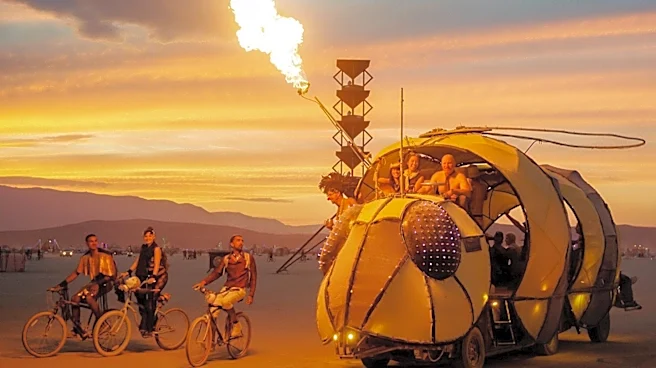
At its core, the lighting of Burning Man art began with a simple, practical rule: make sure no one crashes into your stuff. The Black Rock Desert is profoundly dark, and with thousands of participants on bikes and in mutant vehicles, an unlit, multi-ton
sculpture is a serious hazard. Organizers mandate that all art must be lit from dusk till dawn, from the first day of construction to the last day of tear-down. This includes not just the main structure, but every piece of rebar, guy wire, and stake. The guideline is that art should be visible from at least 150 feet away, giving a vehicle moving at the 5 mph speed limit enough time to react. What started as a safety requirement has since blossomed into a primary artistic medium, with artists designing illumination into their work from the very beginning.
A Dazzling Toolkit of Light
Artists on the playa have a diverse and ever-evolving toolkit to paint with light. Programmable LEDs are the workhorse, used to create everything from the internal glow of a sculpture to massive, animated canopies that shift with music. Some artists use internal lighting to make their sculptures appear to be floating or flying, creating an ethereal, mysterious effect in the dark. More complex works involve projection mapping, turning the surfaces of sculptures into dynamic screens for intricate visuals. This technique allows artists to tell stories or create optical illusions, like the 30-foot-tall skull 'Shogyo Mujo,' which was animated with 360-degree projections to symbolize the audience's collective consciousness. Interactivity is another key frontier, with installations that respond to touch, sound, or the presence of people, turning viewers into active participants in the art.
Battling Dust, Power, and the Void
Creating these light-based masterpieces is a constant battle against the harsh desert environment. The first major hurdle is power. With the sun setting around 7:30 PM and rising after 6:00 AM, lighting systems need to run for more than ten hours straight, a significant challenge for off-grid power systems like batteries and solar. It’s not uncommon to see artworks go dark in the early morning hours after their batteries die. Then there's the dust. The fine, alkaline playa dust gets into everything. It can coat solar panels, rendering them useless, and obscure lights that aren't elevated off the ground. Daily maintenance is essential. For artists using sensitive electronics like high-powered projectors, specialized enclosures are needed to protect the gear from the fatal combination of heat and dust.
Light as the Storyteller
The most compelling works at Burning Man use light not just for visibility, but for narrative and emotional effect. It transforms a static object into a dynamic experience, or what one artist calls an “art place” instead of an “art piece.” Christopher Schardt's 'Firmament' is a legendary example: a massive canopy of LEDs synchronized to classical music, creating a space for communal rest and introspection in the middle of the chaotic playa. For Leo Villareal, who started with a simple strobe-light beacon for his tent, light became a way to create a “digital campfire,” a primal gathering point. Ultimately, light becomes the language that translates the artist's vision for the nighttime audience. It guides the eye, sets the mood, and in many cases, becomes the art itself—a fleeting, luminous expression against the infinite darkness of the desert.