






From a Beach Bonfire to a Desert City
The origin story of Burning Man is as humble as it is mythical. In 1986, Larry Harvey and Jerry James built an eight-foot wooden man and burned it on San Francisco's Baker Beach to mark the summer solstice. It was a small act of spontaneous, 'radical
self-expression' among friends. As the gathering grew, it attracted members of the Cacophony Society, a group known for surreal and chaotic public pranks. When police stopped the burn on the beach in 1990, it was a Cacophony member who suggested a new, vast, and lawless home: the Black Rock Desert in Nevada. There, the event was reborn, not as a party, but as an experiment in temporary community, a city built from scratch by its participants. The core ethos was anti-consumerist and intensely participatory; there were to be 'no spectators.'
The Ten Principles and an Unintentional Brand
As thousands flocked to the desert, the unwritten rules of the early days needed to be defined. In 2004, co-founder Larry Harvey codified the event's ethos into the Ten Principles. These guidelines—including 'Radical Inclusion,' 'Gifting,' 'Decommodification,' and 'Leaving No Trace'—were intended to reflect the existing culture, not dictate it. The principle of decommodification, which forbids commercial sponsorships, transactions, and advertising, was central to its identity. Participants were expected to be self-reliant, bringing everything they needed to survive. Ironically, these principles created a powerful, unique, and highly desirable experience. By defining what it was not—a passive, commercial festival—Burning Man built an incredibly strong, if unintentional, cultural brand.
The Silicon Valley and Celebrity Tipping Point
By the 2010s, word had spread far beyond bohemian circles. Tech executives from nearby Silicon Valley, including figures like Elon Musk, Mark Zuckerberg, and Google's founders, began attending, drawn by the festival's emphasis on innovation, creativity, and radical thinking. Their arrival marked a significant cultural shift. The event became a 'bucket list' item, and for the first time in its history, tickets sold out. Soon after, celebrities and social media influencers followed. Figures like Paris Hilton, Karlie Kloss, and Diplo began posting spectacular, dust-filled photos to millions of followers. The arrival of Instagram culture was a turning point, transforming the event from an inward-facing experience of 'immediacy' into an outward-facing spectacle to be documented and shared.
The 'Burner' Aesthetic Goes Mainstream
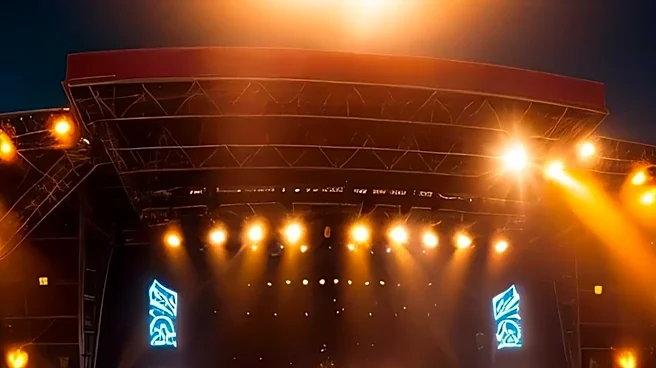
Once Burning Man became a backdrop for influencers and a networking event for the tech elite, its aesthetic began to bleed into the mainstream. The Mad Max-meets-steampunk fashion, the giant, interactive art installations, and the mutant 'art cars' became a visual shorthand for a certain kind of edgy, curated fun. Major music festivals like Coachella began to feature large-scale art pieces that seemed plucked directly from the playa. Corporations, eager to appear innovative, started incorporating themes of 'radical self-expression' and 'community' into their branding and company retreats. The very thing Burning Man stood against—commodification—was happening to its culture. It had become less of a counterculture and more of a mood board for the experience economy.
A Reference Point, Not a Revolution
Today, Burning Man exists in a state of paradox. The organization fiercely protects its principle of decommodification on the playa, fighting against commodification and the use of the event for promotion. Yet, an entire off-playa industry of 'Burner' fashion, gear, and luxury 'plug-and-play' camps—which critics argue violate the spirit of radical self-reliance—has flourished. The event has become a global cultural reference point, so influential that its symbols are now part of the commercial world it was built to escape. It's a victim of its own success. The raw, chaotic, and genuinely dangerous feeling of the early days has been replaced by a more organized, brighter, and, some would say, tamer version. The mainstream didn't just notice Burning Man; it absorbed it.