


An Expensive Habit
The first rule of the festival business is that headliners are expensive. Really expensive. Top-tier acts can command fees from several hundred thousand to well over a million dollars for a single performance. That cost represents a massive chunk of a festival's
budget, with talent booking often accounting for 40% of total expenses. Organizers like C3 Presents, who are behind both Austin City Limits and Lollapalooza, have to sell an enormous number of tickets just to break even on their main attractions. This creates a high-stakes financial puzzle: how do you fill nine stages over two weekends without going broke? The answer lies in portfolio diversification. While headliners are the blue-chip stocks that guarantee a certain level of ticket sales, the rest of the lineup is where the real value investing happens.
The Undercard Arbitrage
Booking an emerging artist is a bet on the future with a potentially massive payoff. A band that costs $10,000 to book this year might be commanding $200,000 or more just a year or two later. Think of artists like Billie Eilish or Lizzo, both of whom played ACL early in their ascent to global stardom. Securing them before they hit mainstream radio and stadium-tour status represents an incredible return on investment. This practice, known as "undercard arbitrage," allows festivals to feature artists who are now worth many times their initial booking fee. It keeps the lineup feeling fresh and current without inflating the budget to unsustainable levels. For every million-dollar headliner, a festival can book dozens of smaller, promising acts, creating a rich and varied experience for attendees.
The Currency of Cool
Beyond the direct financial savings, booking rising artists is a powerful marketing tool. Headliners sell tickets, but the undercard is where a festival earns its reputation for taste. For many attendees, discovering new music is a primary reason they go to festivals in the first place. When ACL puts an artist on its lineup, it acts as a powerful stamp of approval. This creates buzz and a sense of discovery that money can't buy. Fans leave not just having seen their favorite band, but with a new favorite band they found on a side stage at 2 p.m. That experience builds a deep loyalty to the festival's brand. In a crowded market, being seen as a tastemaker that identifies the "next big thing" is a crucial differentiator. It transforms the festival from a simple concert into a curated cultural event.
Building Long-Term Relationships
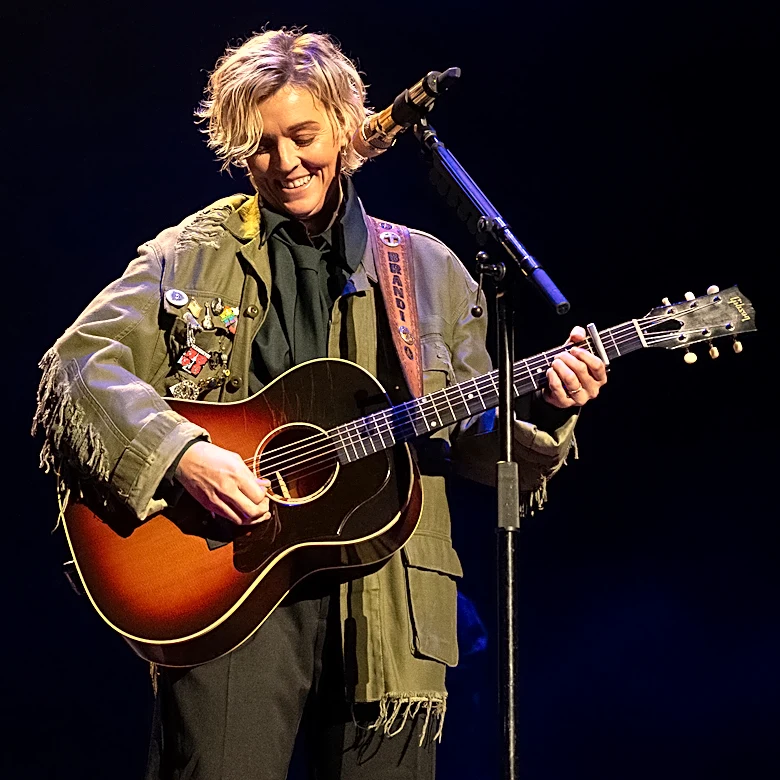
The music industry, at its core, is about relationships. Giving an artist a prominent festival slot early in their career is a vote of confidence that managers and agents remember. An artist who had a great experience playing for a huge, enthusiastic crowd at Zilker Park is more likely to return the favor years later. This might mean agreeing to a more favorable fee when they're big enough to headline, or giving the festival an exclusive booking in a competitive market. Brandi Carlile, for example, made her ACL debut in 2010 and has since returned multiple times as a headliner and Hall of Fame inductee, building a long-term relationship with the festival. This loyalty loop is an invaluable asset, ensuring a steady pipeline of future headliners who have a genuine history and connection with the Austin City Limits brand.