
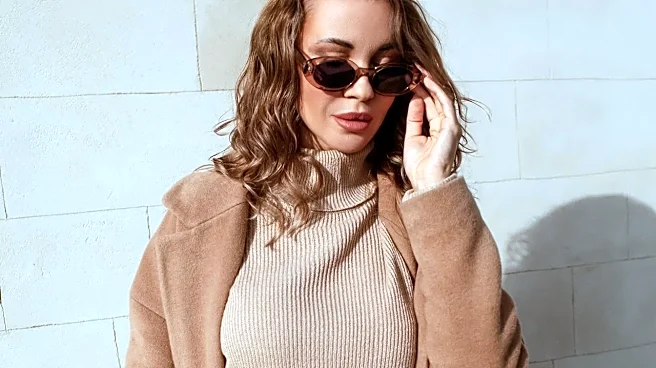
For years, the go-to style advice has been to anchor your look with a 'focal-point' accessory. But a truly compelling outfit is about total composition, not just one standout item. Here’s how to build visual interest from the ground up.
1. Master the Art of Texture
An outfit composed
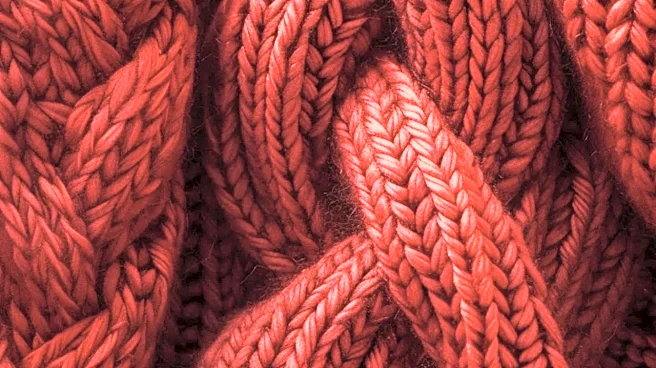
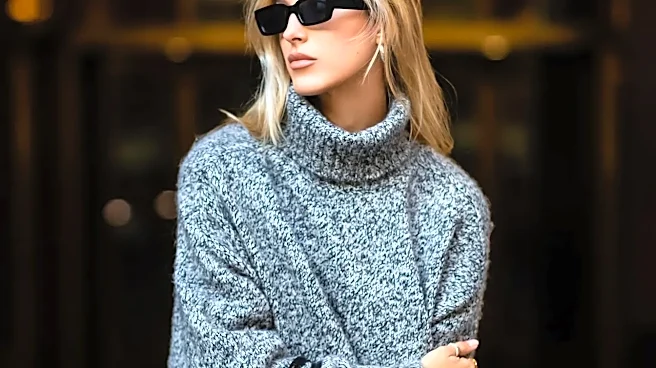
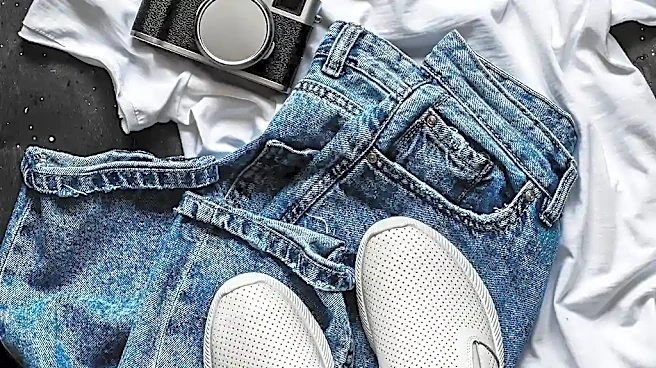
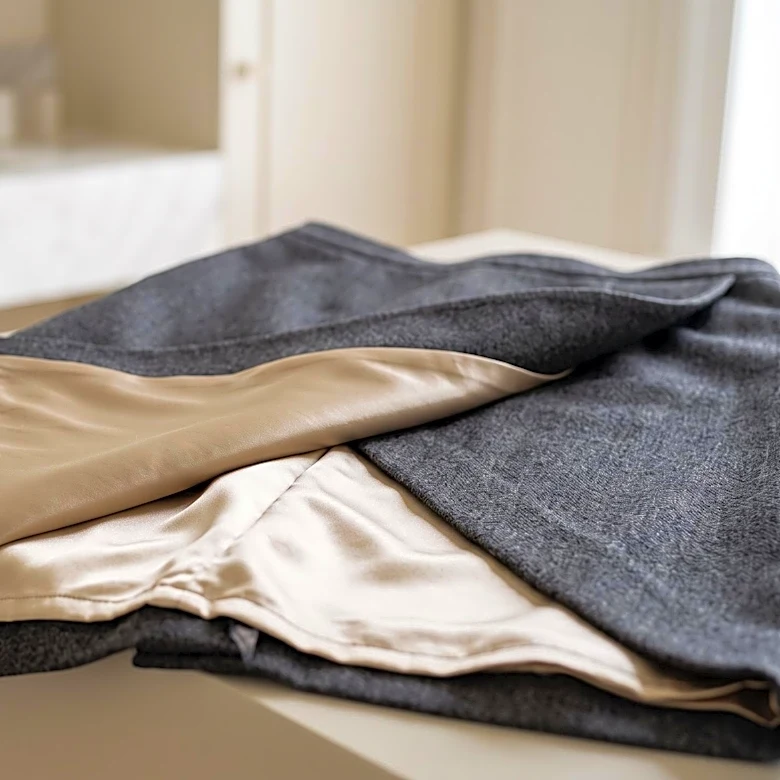
entirely of smooth, flat fabrics can easily look one-dimensional, especially in a monochromatic or neutral palette. Texture is what gives a look depth and a tactile quality that invites the eye. The key is to create contrast. Think about pairing materials with opposite qualities: a chunky knit sweater with a sleek silk skirt, crisp cotton poplin with rugged denim, or a smooth leather jacket over a soft cashmere top. This interplay of surfaces creates subtle dimension that makes even the simplest color scheme feel rich and intentional. Don't forget fabrics like tweed, lace, corduroy, or even ribbed materials; they all contribute to a more dynamic and thoughtfully styled look without needing a single piece of jewelry to make a statement.
2. Play with Silhouette and Proportion
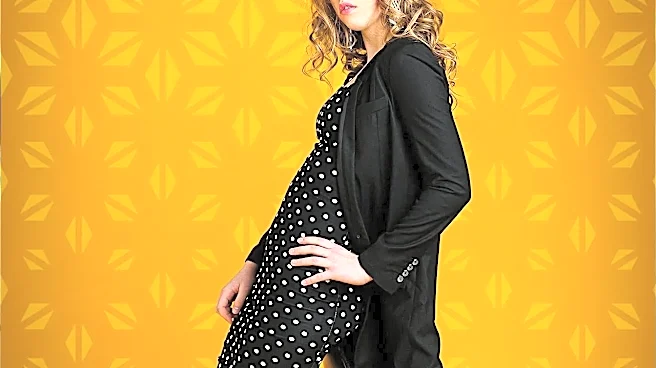
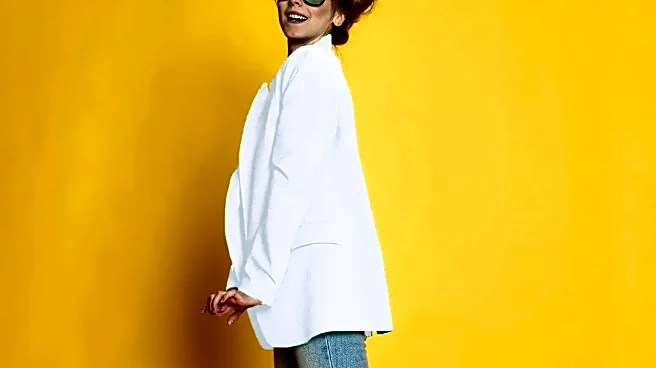
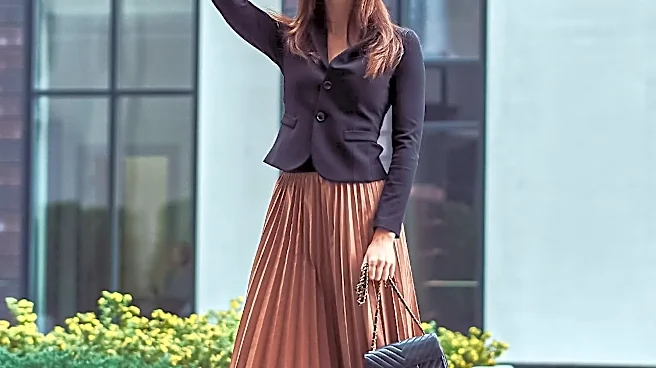
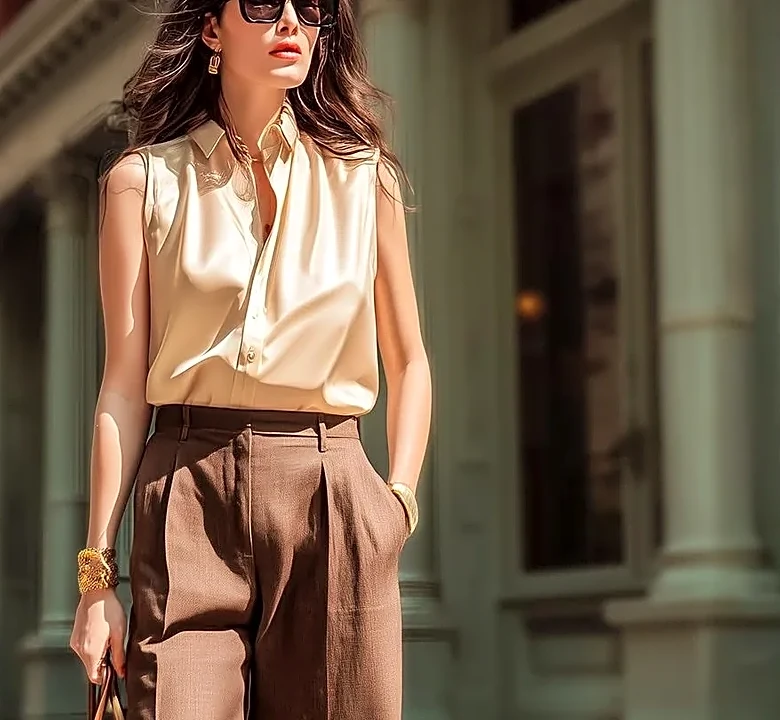
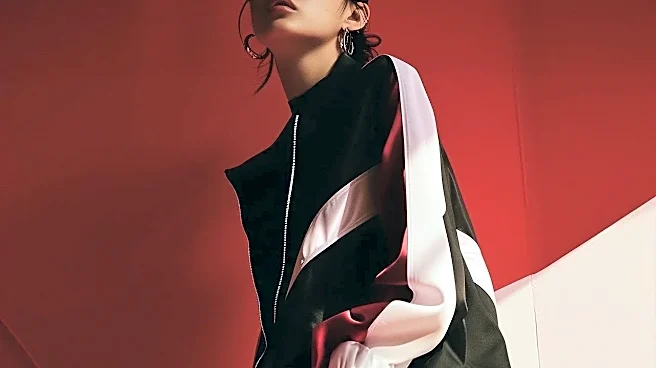
The shape of your clothes is one of the most powerful tools at your disposal. Instead of a simple fitted top and bottom, experiment with creating a more dynamic silhouette. The principle of balancing proportions is crucial here. If you opt for a voluminous piece on top, like an oversized blazer or a billowy shirt, pair it with something slim and structured on the bottom, such as tailored trousers or straight-leg jeans. Conversely, wide-leg pants or a full skirt create a beautiful shape when balanced with a fitted top. Playing with length is another way to create interest; try a longline coat over a shorter dress or a cropped jacket with high-waisted pants. These intentional choices about shape and volume guide the eye and build a look that is architecturally interesting all on its own.
3. Harness the Power of Color
While a statement accessory often serves as a 'pop of color', the garments themselves can create a much more sophisticated color story. Understanding basic color theory can transform your approach. For a harmonious and pleasing look, try an analogous color scheme, which uses colors that sit next to each other on the color wheel, like blue and green or red and orange. For a bolder, high-energy look, a complementary pairing (colors opposite each other on the wheel, like blue and orange) can be striking. The key is to manage the proportions—let one color dominate about 60% of the outfit, with the second taking up 30% and a small accent at 10%. This creates a balanced, intentional palette that feels cohesive and captivating.
4. Embrace Strategic Layering
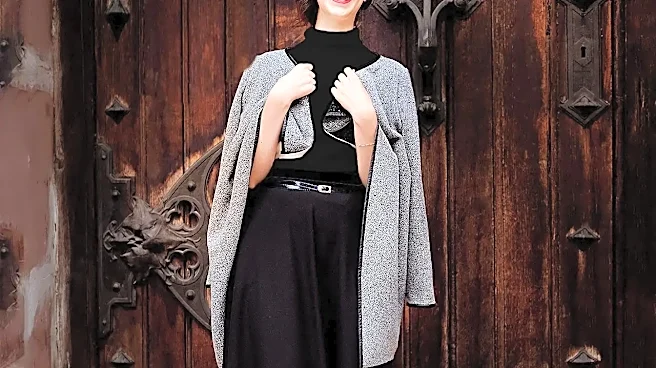
Layering is more than just a practical way to stay warm; it's a styling technique that adds instant depth and complexity to an outfit. The art of layering lies in allowing the different pieces to interact. Let a crisp shirt collar or cuffs peek out from under a sweater, wear a turtleneck under a button-down shirt, or leave a wrap dress open to function as a light duster jacket. Each layer adds a new line and dimension to the overall look. This technique works best when you mix textures and lengths, creating a visual narrative. A simple T-shirt and jeans can be completely transformed by adding a vest and a blazer, with each piece contributing to a more composed and thoughtful final product.
5. Focus on Quality and Construction
Sometimes, the most interesting thing about an outfit is the quality of the garments themselves. Pieces with unique construction details—like an asymmetrical hem, unconventional pleating, or interesting seam work—can serve as their own focal point. The quality of the fabric also plays a huge role. A simple sweater made from high-quality cashmere or a plain white shirt in a substantial, crisp cotton has an inherent elegance that doesn't require adornment. When your clothes fit perfectly and are made from beautiful materials, they command attention in a quiet, confident way. This approach is the heart of minimalist style: creating a powerful statement through well-chosen, beautifully made essentials rather than overt decoration.