

The Magic of Material: When Fabric Creates Form
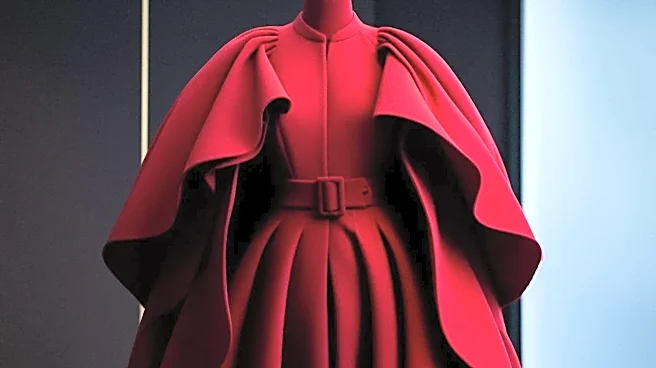
Sometimes, the fabric is the star of the show, creating volume all by itself. This happens in two primary ways: through inherent stiffness or through sheer abundance. Think of fabrics like organza, taffeta, tulle, or even some crisp cottons. These materials
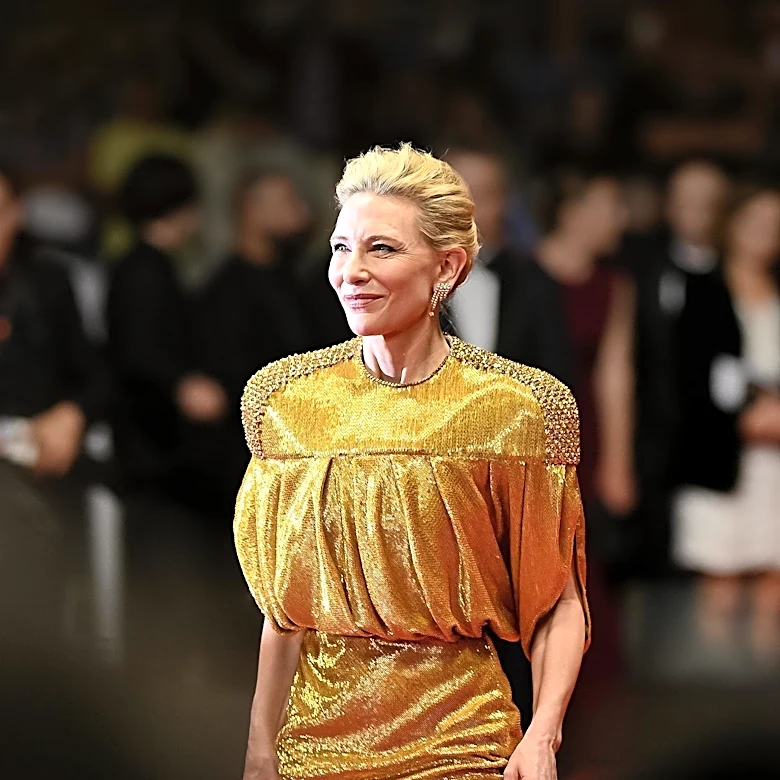
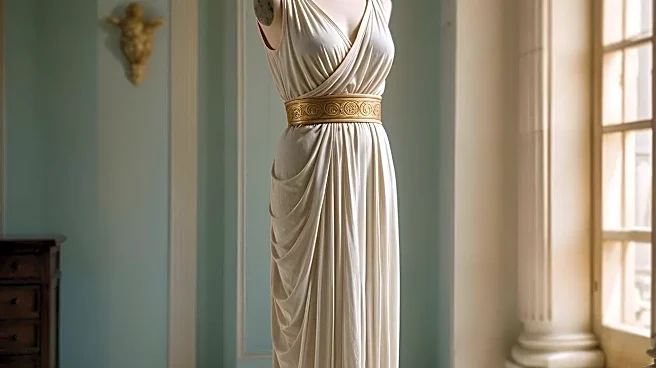
have a high degree of structure on their own; they are lightweight but firm enough to hold a shape, creating an airy, almost sculptural effect without needing any hidden help. A frothy tulle skirt on a ballgown doesn’t collapse because the nature of the fabric is to be springy and voluminous. On the other hand, you can create a different kind of volume by using a large amount of a soft, fluid fabric. Imagine meters of silk charmeuse or velvet draped and gathered. This creates a lush, flowing volume that moves with the body, relying on the quantity of the fabric to create its grand impression, rather than its stiffness. This approach is about luxurious drape and graceful movement.
The Unseen Architecture: Building Shape from Within
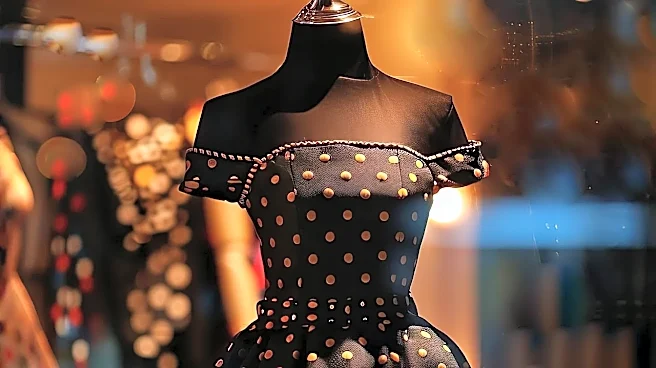
Structural volume is what happens when a garment’s shape is determined by an internal framework, forcing the fabric to defy gravity and hold a specific form. This is less about the fabric's natural tendency and more about a hidden architecture. Historically, this was achieved with dramatic underpinnings like hoops for crinolines, padding for bustles, or the rigid cage of a pannier. Today, the methods are often more subtle but follow the same principle. The most common structural element is boning—strips of plastic or steel—sewn into channels within a garment, typically in a bodice or corset, to provide rigid support and shape. This is what keeps a strapless dress up and creates a defined waistline. Other structural tools include interfacing, a hidden layer of fabric that adds stiffness to collars and cuffs, and shoulder pads, which build a strong shoulder line. This type of volume is engineered, creating a silhouette that is deliberate and controlled regardless of the fabric draped over it.
When Worlds Collide: Fabric and Structure Together
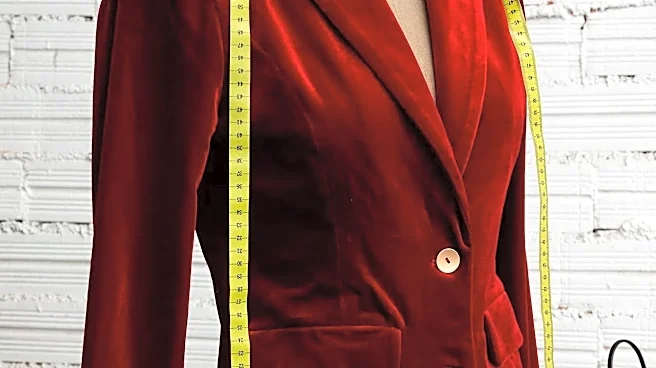
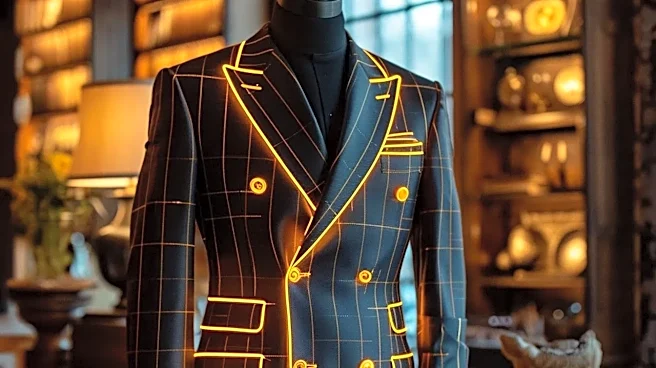
In many of the most breathtaking fashion creations, it isn’t an either/or situation. Designers often masterfully combine both fabric and structure to achieve their vision. A classic ballgown is the perfect example: it might use a structured, boned bodice to create a slender, rigid torso, which then gives way to a massive skirt made of countless layers of voluminous tulle. Here, structure provides the defined upper body, while the fabric creates the dramatic volume below. Another common pairing is a tailored jacket; the sharp shoulders and crisp lapels come from internal structure like pads and interfacing, but the overall feel can be softened or enhanced by the choice of a heavy wool or a fluid linen. By understanding how to blend these two techniques, designers can achieve complex silhouettes that are both sculpted and fluid, playing with the contrast between hard and soft, control and freedom.
How to Spot the Difference
Once you know what to look for, distinguishing between the two becomes a fun exercise in fashion analysis. When you see a garment, ask yourself how it achieves its shape. Does the volume seem to float, bounce, or flow, with the fabric itself looking light but full? That's likely fabric-driven volume. Can you see soft gathers or an immense amount of material? Again, that points to fabric. Conversely, if a garment has sharp, defined lines, seems to hold a shape that defies gravity, or has an unnaturally smooth curve, suspect an internal structure. Look for seams that might conceal boning channels, especially around the torso. Feel the weight and stiffness of a collar or cuff—if it’s crisper than the rest of the garment, that’s structure at work. The movement of the garment is another clue: fabric volume tends to be dynamic and responsive, while structural volume is more rigid and consistent.