

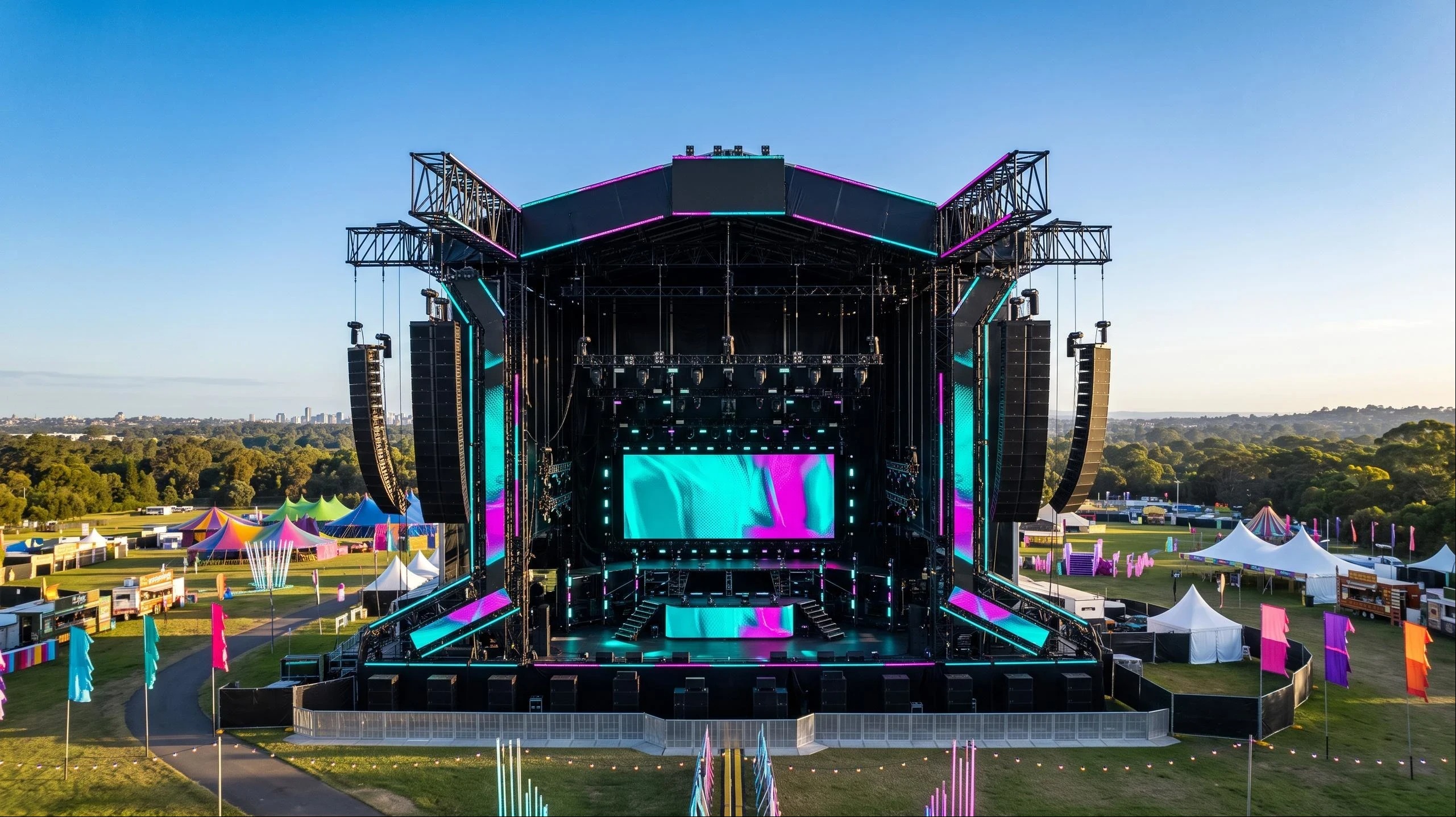

Curating an Atmosphere After Dark
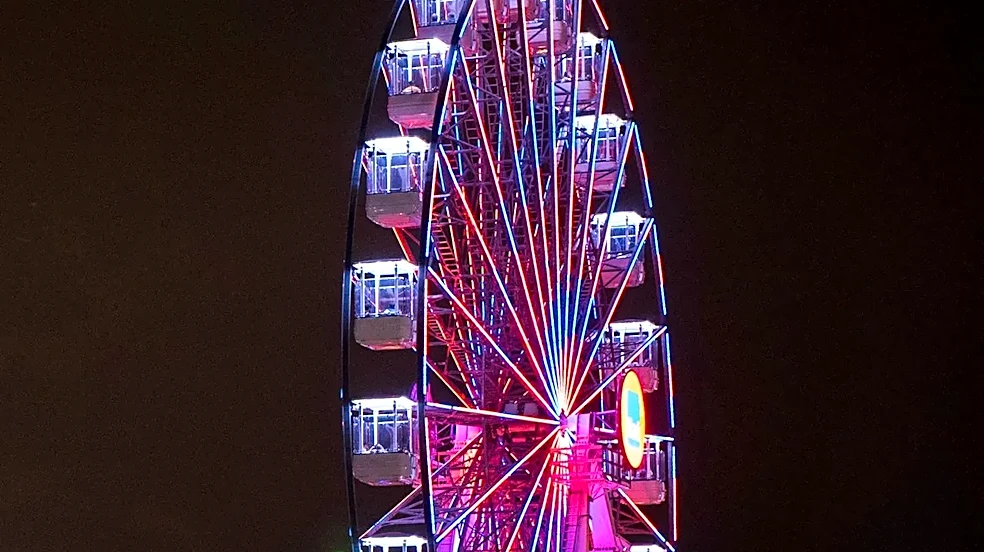
Anyone who has been to Camp Flog Gnaw knows the festival transforms when night falls. The carnival rides glow, the energy shifts, and the main stages become focal points of creative expression. This is all part of the grand vision of the festival's founder,
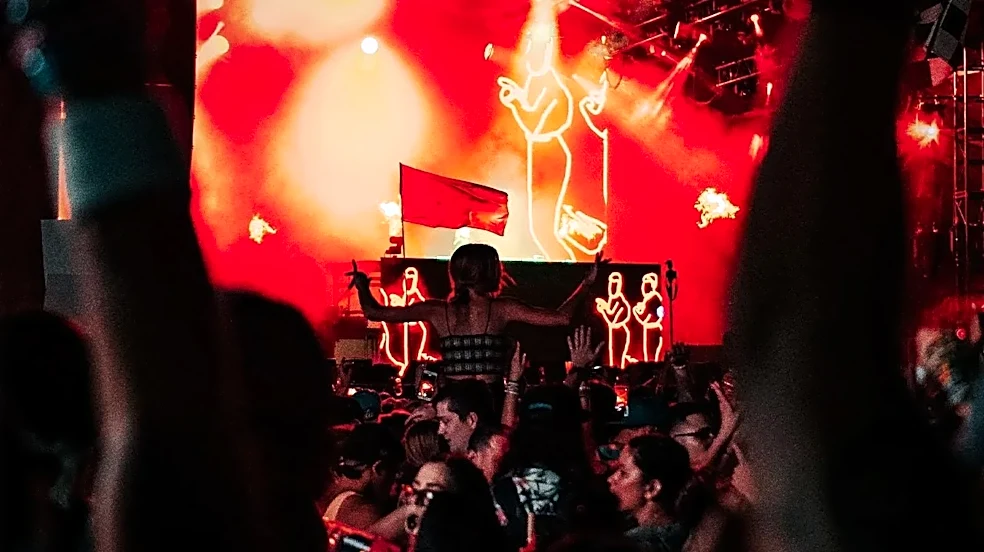
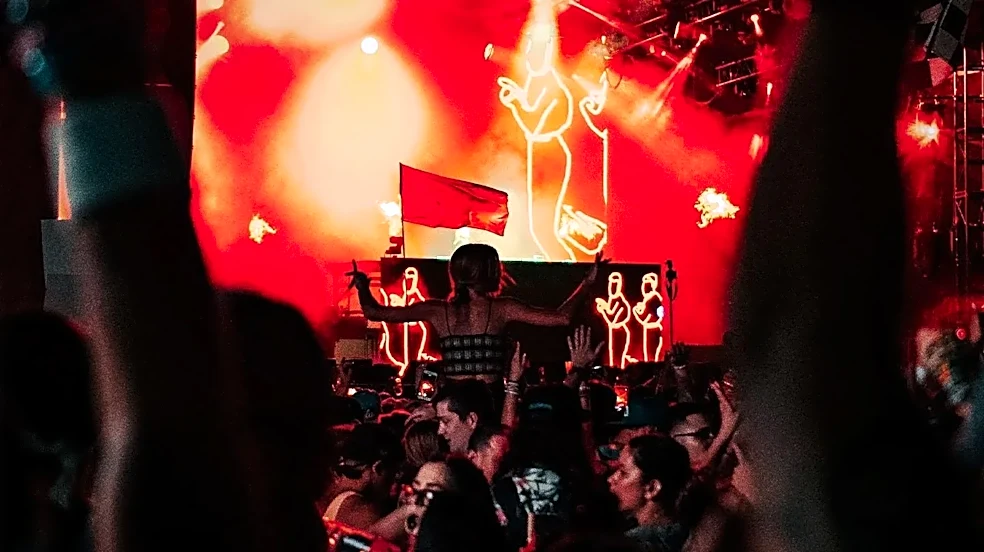
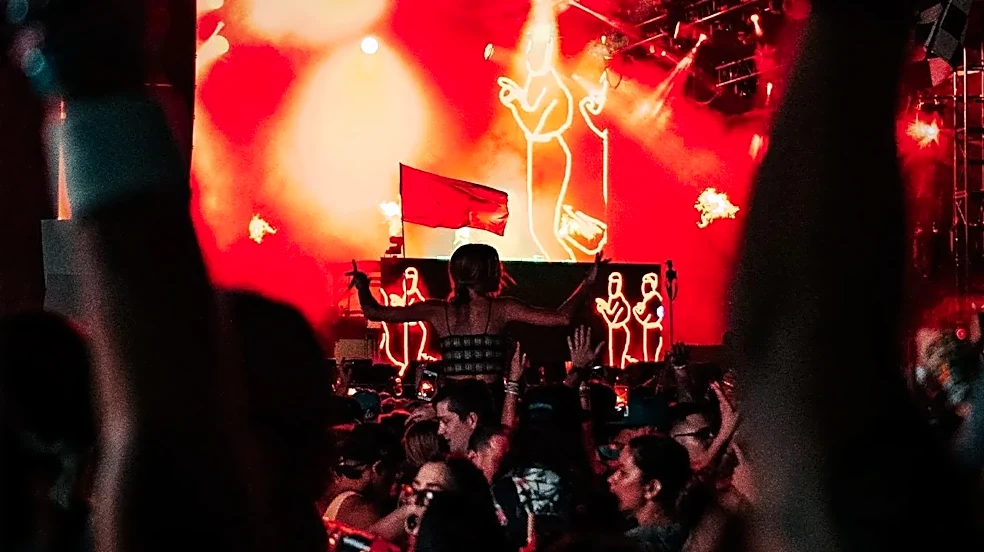
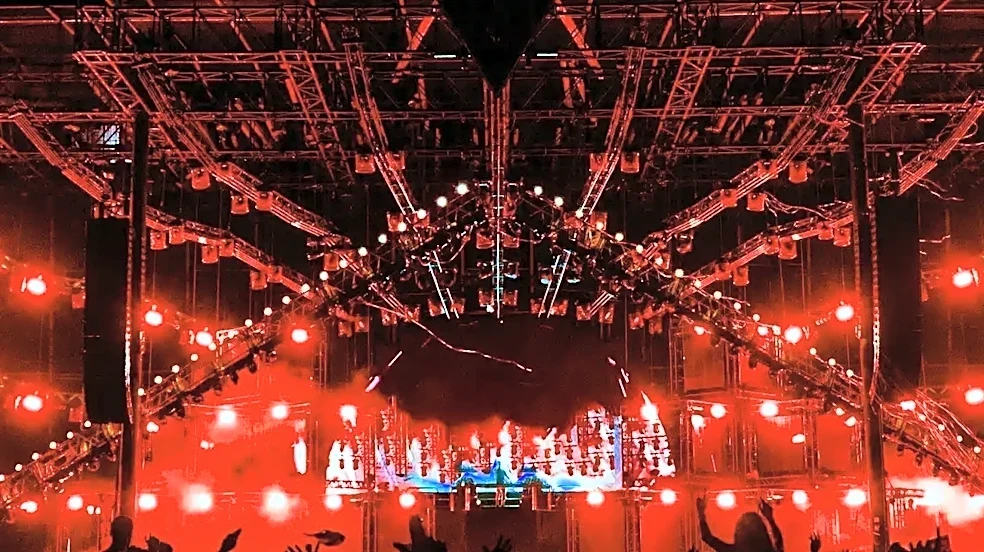
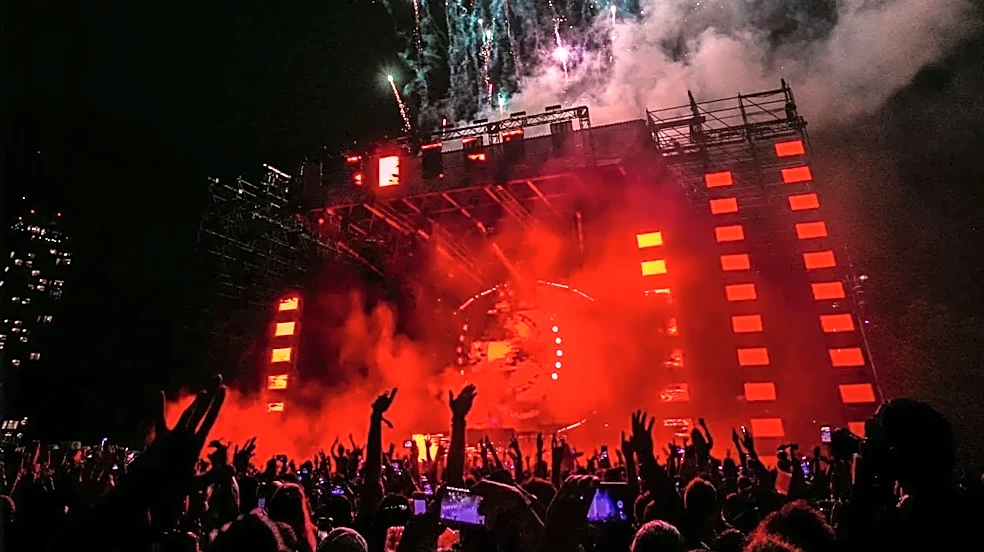
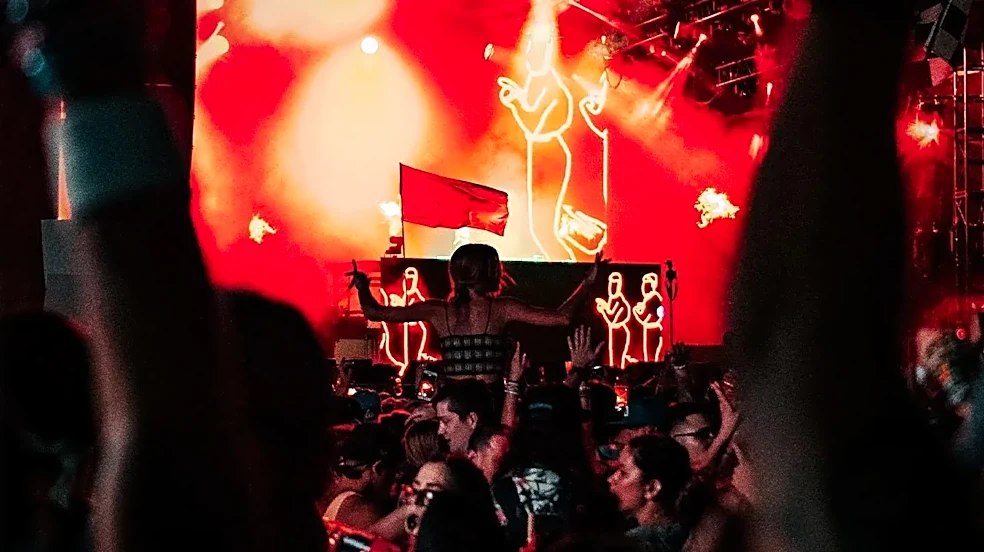
Tyler, the Creator, whose influence goes far beyond just curating a lineup. The entire event is an extension of his artistic sensibilities, blending music, style, and a carnival atmosphere into a cohesive world. At night, that world is painted with light. Unlike festivals that simply blast stages with bright, generic illumination, Flog Gnaw's nocturnal sets often feel more theatrical and intentional. The lighting isn't just for visibility; it’s a key part of each performance's story, designed to create moments of intimacy, chaos, energy, and awe in equal measure.
Painting with Beams and Color
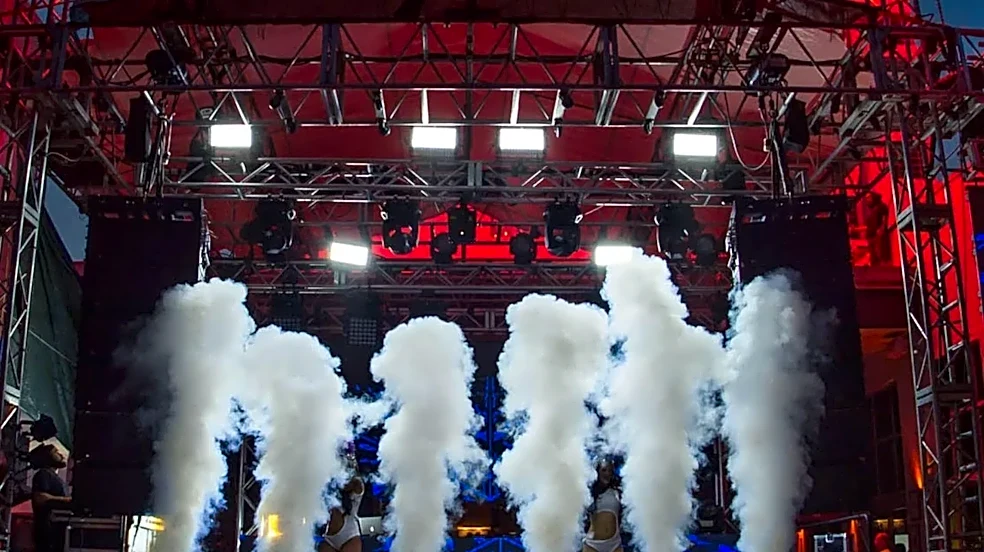
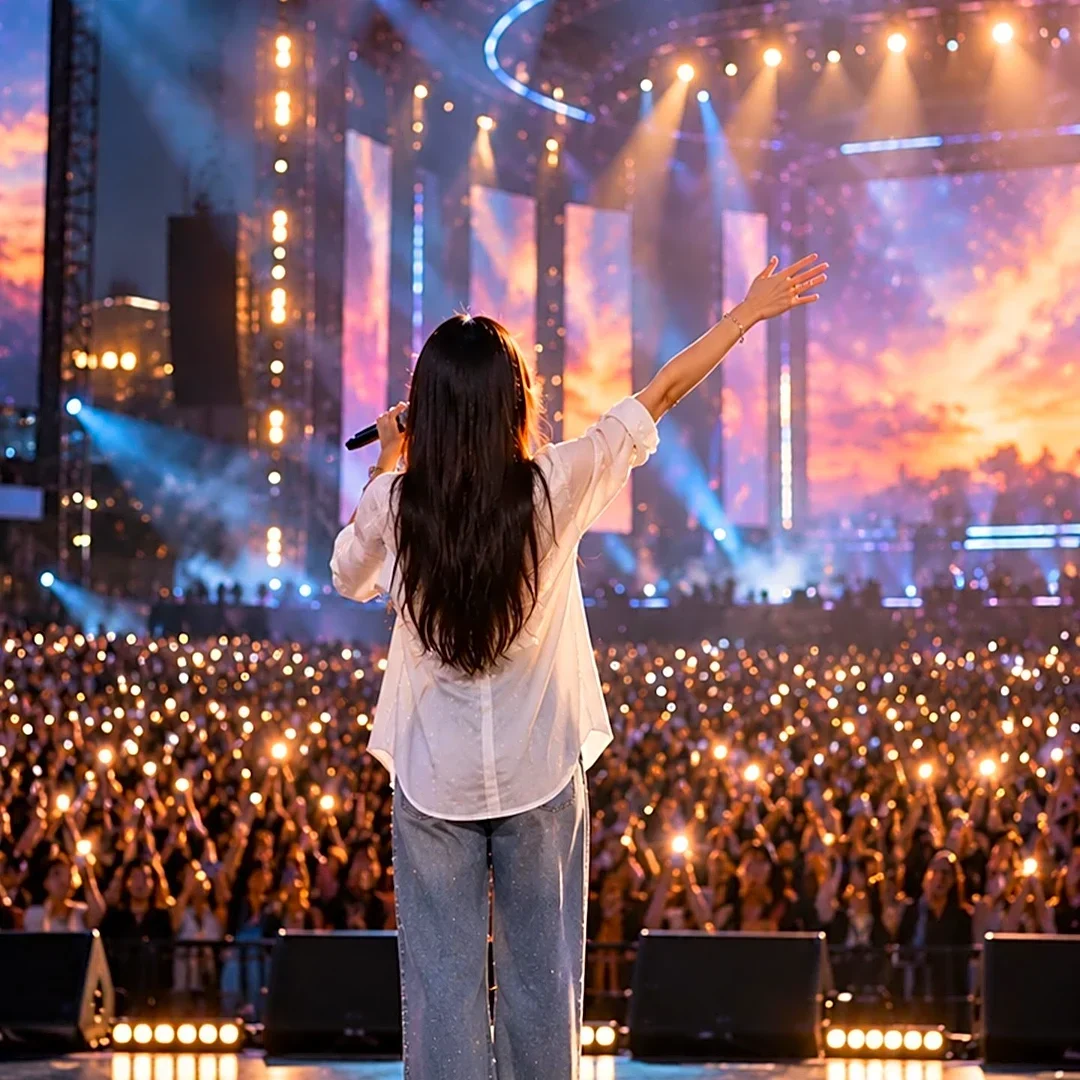
The core of the festival's nighttime aesthetic lies in its sophisticated use of lighting. Production designers use light to guide the audience's focus and manipulate mood. A single, sharp spotlight on an artist can create a feeling of isolation or intensity, while broad, soft washes of color can make a massive crowd feel connected. Color psychology is a huge component; warm ambers and oranges evoke nostalgia and warmth, while cool blues can suggest melancholy or serenity. At Flog Gnaw, these principles are used to amplify an artist’s existing brand. For example, Tyler, the Creator’s own sets have famously used elaborate stage designs, like a ramshackle junkyard, with lighting and pyrotechnics choreographed to make the scene feel dynamic and alive. Similarly, an artist like Kali Uchis might get a dreamier, more seductive lighting plot with elegant visuals, while a high-energy act like The Hillbillies (Kendrick Lamar and Baby Keem) is backed by visuals and lighting that feel electrifying and explosive.
The Strategic Pulse of a Festival
Just as important as the lighting is the timing. This doesn't just mean a headliner goes on last. Festival scheduling is an art form designed to manage the collective energy of tens of thousands of people over many hours. Organizers must think about pacing. Placing a high-energy, mosh-pit-inducing set right before a mellow, soulful performance can be jarring. Instead, the best schedules create a natural rhythm, alternating between intense acts and more relaxed ones to prevent the audience from burning out too early. The transition from day to night is also a crucial consideration. The artists who perform as the sun goes down, like The Marías at a past festival, have a unique opportunity to use the changing natural light to their advantage, creating a spellbinding, cinematic experience. The final headlining slots are the festival's crescendo, reserved for the biggest draws or most anticipated performances, ensuring the event ends on a powerful note that sends fans home buzzing.
Where Spectacle Meets Storytelling
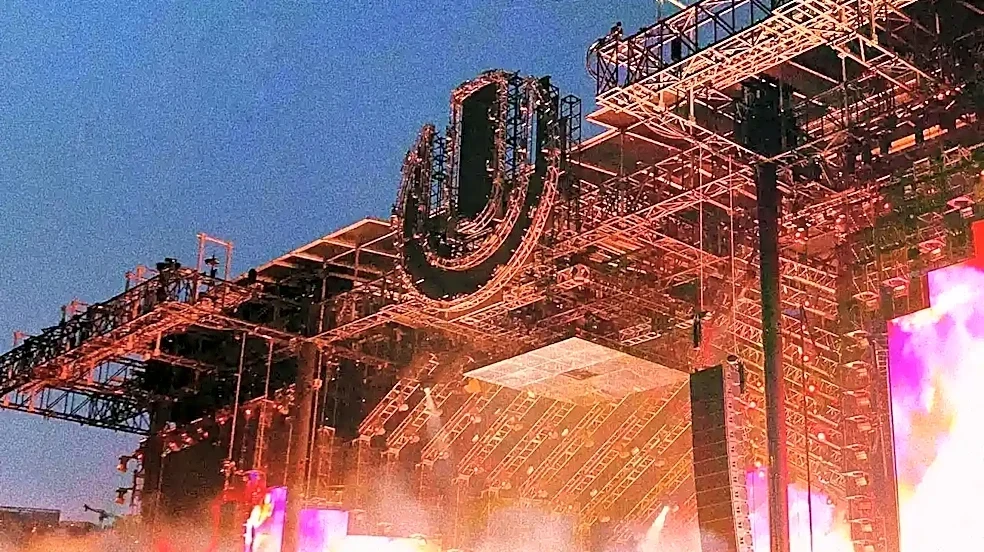
Ultimately, lighting and timing at Camp Flog Gnaw converge to do one thing: enhance the story. Each nighttime set is a production, where visuals serve the artist’s narrative. When lighting cues are perfectly synced to the beat of a song, it adds another layer of entertainment, turning a concert into a multi-sensory spectacle. This was evident in performances where artists used elaborate sets, from junkyards to picnic-themed stages, that were brought to life by dynamic lighting. These elements create a theatrical environment that adds depth and realism, making the audience feel like they are part of the world the artist has built on stage. It's the difference between merely watching a performance and being fully immersed in it. This dedication to production value is what elevates the festival from a collection of concerts into a singular, cohesive cultural event.