

4. The Founding and The Arrival of Protest
When George Wein founded the Newport Folk Festival in 1959, the idea was to create a counterpart to his successful jazz festival, showcasing the breadth of American folk traditions. The inaugural lineup featured stars like Pete Seeger and the Kingston
Trio, but it also platformed a then-unknown Joan Baez. This act of curation established a core tenet of Newport: it wasn't just a stage, but a launchpad. Within a few years, this mission fused with the era's burgeoning social movements. The festival became a vital space for the Civil Rights Movement, with artists like The Freedom Singers performing in 1963, followed by a march through Newport. When Baez, Bob Dylan, and Peter, Paul and Mary led a performance of "Blowin' in the Wind," the festival cemented its identity not just as a musical event, but as the nation's premier venue for acoustic protest and cultural conversation.
3. The Lost Years and The Modern Rebirth
The festival's initial run was meteoric, but by the late 1960s, it faced financial trouble. After a riot at the 1971 Newport Jazz Festival, the city grew wary, and the Folk Festival was ultimately canceled, disappearing for 15 years. This long silence could have been the end, but its 1985 revival marked a crucial turning point. The world had changed, and so had the festival. It moved to Fort Adams State Park and began balancing its legacy acts with a new generation of artists. This new model—counterbalancing veterans with rising stars—proved essential for its survival and modern identity. It ensured the festival wasn't just a nostalgia act. By embracing younger artists and expanding its definition of "folk" to include alternative rock, Americana, and indie acts, the revived Newport proved it could evolve, attracting new audiences while honoring its storied past.
2. Joni Mitchell's Miraculous Return
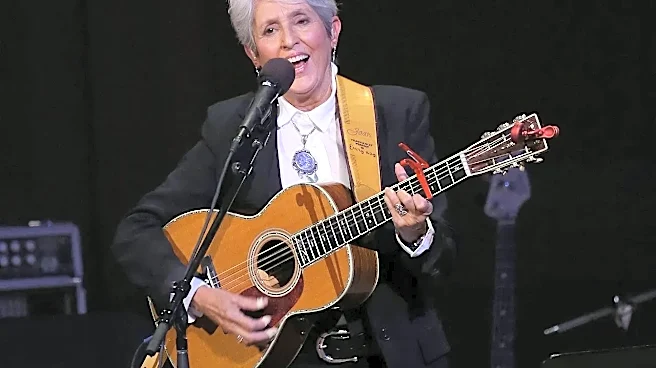
Rumors of special guests are a Newport tradition, but nothing could prepare the audience for what happened on July 24, 2022. Billed as "Brandi Carlile & Friends," the closing set transformed into something historic when Carlile brought out Joni Mitchell. It was Mitchell's first full performance in two decades and her first appearance at the festival since 1969. Following a debilitating brain aneurysm in 2015, many believed she would never perform publicly again. Seated on a throne-like chair in a stage set resembling her own living room, Mitchell sang, laughed, and even played a guitar solo, delivering a set that left the audience in stunned, tearful joy. In an era defined by cynicism, this "Joni Jam" was a moment of pure, unadulterated grace. It reaffirmed Newport as a place where the seemingly impossible can happen, a sanctuary built on community, love, and the enduring power of song.
1. Bob Dylan Plugs In
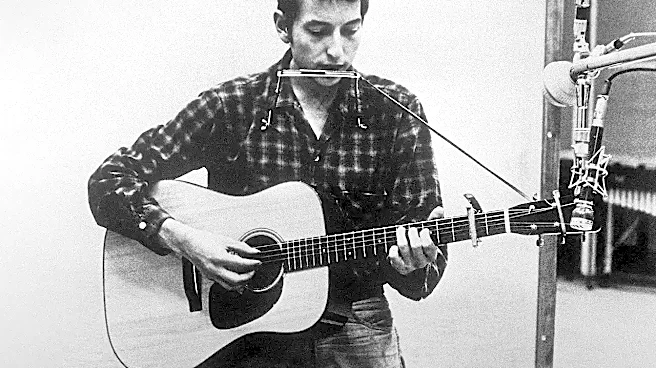
It is the moment against which all other Newport turning points are measured. On July 25, 1965, Bob Dylan, the acoustic prophet of the folk revival, walked on stage with an electric guitar and a rock band. The performance was met with a mix of cheers and boos, a sound that has echoed through music history ever since. The controversy wasn't just about volume; it was a battle over authenticity and the soul of folk music itself. To the purists, Dylan was a traitor, abandoning the hallowed acoustic tradition for the commercial noise of rock 'n' roll. But in that chaotic, electrified set, Dylan blew the doors off the genre, effectively birthing folk-rock and declaring independence for a new counterculture. He signaled that rock music could be lyrical and serious, and that folk music didn't have to be trapped in the past. It split the '60s wide open and remains the single most transformative act in Newport's history, a defiant spark that redefined the festival and the future of popular music.