



The Familiar Language of the Half-Court Set
First, let's get on the same page. In basketball, a half-court set is the opposite of a chaotic scramble. It’s a choreographed sequence of movements against a defense that’s already in position. The point guard brings the ball up, players move to specific spots, screens are set to free up a shooter, and the ball pings around to create a high-percentage look—an open three-pointer or a clear lane to the basket. It’s about control, patience, and exploiting a small defensive weakness through a pre-planned sequence. Think of the Golden State Warriors’ motion offense or the Spurs’ classic “beautiful game” era. The goal isn't just to shoot; it's to create the *best possible* shot.
Soccer's Version: Structured Attacking Patterns
Now, watch a top-tier soccer team like Manchester City or Arsenal when
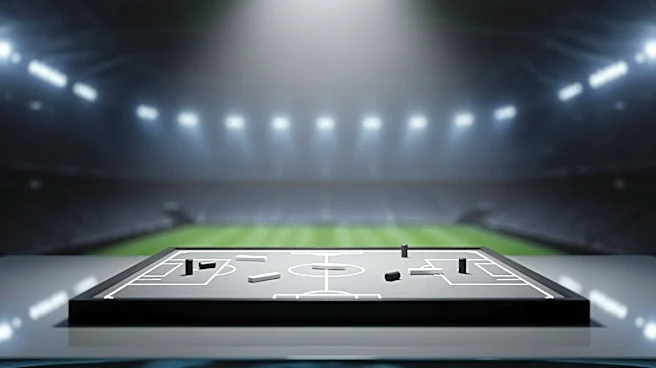
they have the ball in their opponent’s half. It might not look like it at first, but they’re doing the exact same thing. This is often called “positional play” (or *juego de posición*), a tactical system where the pitch is divided into zones and players have specific responsibilities within them. The goal is to move the ball in rehearsed patterns to unbalance the defense and create space in dangerous areas. Instead of 22 players improvising, you have a squad executing a plan. The ball moves from the defenders to the midfielders in a specific sequence, with wingers and forwards making pre-determined runs to pull defenders out of position. It’s a half-court set, just played out on a much larger green court.
Player Roles: Translating the Court to the Pitch
The analogies are surprisingly direct. The point guard who initiates the play is the deep-lying midfielder (a No. 6 or No. 8) who controls the tempo and picks the initial pass. Think of a player like Rodri for Man City or Toni Kroos for Real Madrid; they are the floor generals. A basketball player setting a screen to free up a teammate has a direct equivalent in soccer: a forward who makes a diagonal run across the defense, not to receive the ball, but to drag a central defender with him. This decoy run creates a pocket of space for another attacker—the “shooter”—to run into. This is called creating an “overload,” where you have more attackers than defenders in one small area. Spacing, the holiest of basketball concepts, is just as crucial. By having players hold wide positions, the team stretches the defense horizontally, creating channels in the middle to attack.
The Ultimate Goal: The High-Percentage Shot
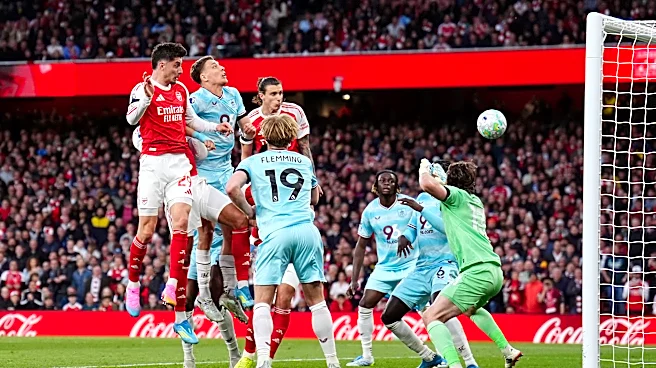
In both sports, all this intricate planning is pointless if it doesn't lead to a good scoring opportunity. Basketball analytics obsess over shot quality—a layup is better than a contested midrange jumper. Soccer is no different. The endless passing back and forth along the defensive line isn't aimless; it’s a team probing for the trigger to start their set play. The objective of these choreographed passing sequences is not to launch a hopeful 30-yard shot. It's to manipulate the defense until a player can get a clear look from inside the penalty box, or better yet, play a simple pass across the goal for a tap-in. That tap-in is soccer’s equivalent of a wide-open layup. It looks easy, but it’s the result of a perfectly executed set play that made the final action the simplest one possible.