






A Pressure Cooker for Modern Anxiety
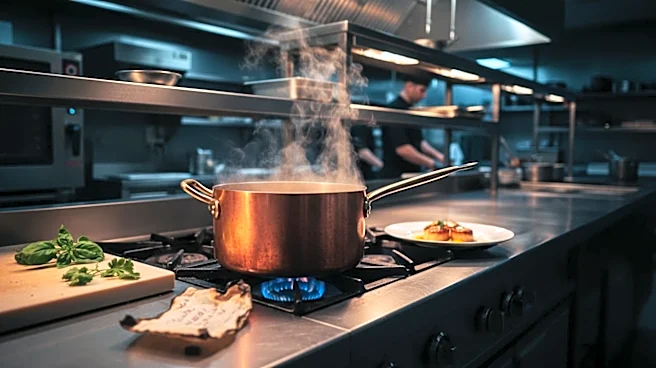
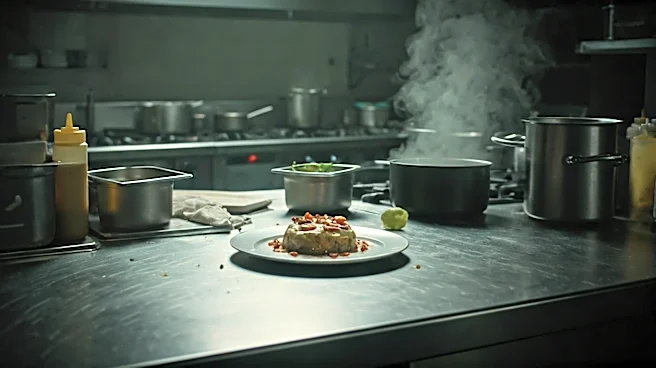
The clanging pans, the frantic calls of “Corner!” and “Behind!”, the relentless ticking clock of a dinner service—this is the sound of 'The Bear.' But for millions of viewers, it’s also the sound of modern life. The show’s kitchen isn't just a kitchen;
it’s a visceral metaphor for burnout, a workplace where passion and panic are indistinguishable. Characters like Carmy and Sydney aren't just trying to get food on a plate; they are battling their own internal chaos, perfectionism, and crippling self-doubt. The series masterfully captures a specific generational anxiety: the feeling of being exceptionally skilled but perpetually overwhelmed, of chasing a dream that might just break you. This relentless, palpable stress resonated far beyond the hospitality industry, making viewers in offices, studios, and gig-economy jobs feel seen in their own daily grind.
Redefining Masculinity and Ambition
While restaurant kitchens have often been portrayed as bastions of aggressive, top-down masculinity, 'The Bear' offers a more complex and vulnerable portrait. Carmy Berzatto is not the stereotypical macho chef. He is a man consumed by grief, haunted by family trauma, and driven by a punishing need for artistic validation. His journey, along with Richie’s transformation from a loud-mouthed traditionalist to someone who finds purpose in service, explores a masculinity in crisis. The show suggests that true strength isn’t found in dominance but in the difficult, messy work of communication, self-awareness, and allowing oneself to be cared for. It dismantles the myth that excellence requires emotional suppression, instead arguing that creative genius and personal baggage are often tragically intertwined.
The Restaurant as the Family Home
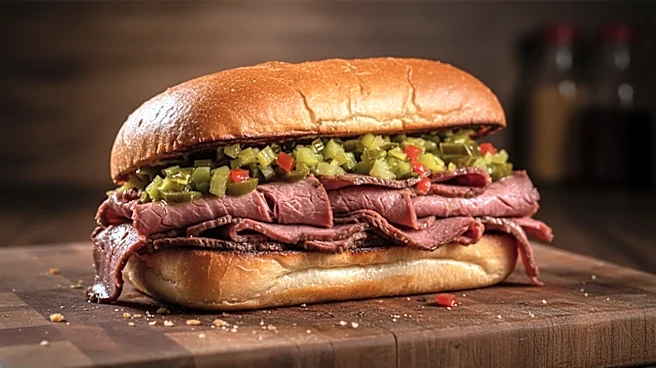
At its core, 'The Bear' is a story about family—the one you’re born into and the one you build. Carmy’s return to Chicago is prompted by his brother’s suicide, and his effort to transform the restaurant is an attempt to process that grief and untangle a legacy of inherited pain. The dysfunctional Berzatto family dynamics, vividly captured in a now-famous flashback Christmas episode, are the source of the characters' deepest wounds. The restaurant, The Original Beef and later The Bear, becomes a proxy for the family home. It is the space where decades of unspoken resentment, love, and obligation play out. The team isn't just a brigade of cooks; they are a found family, learning to heal themselves by fixing the broken systems around them, both culinary and emotional.
From Workwear to Streetwear
The show's cultural influence isn't just thematic; it's aesthetic. 'The Bear' unexpectedly became a benchmark for menswear, popularizing a style best described as “functional chic.” Carmy’s uniform of a perfectly fitted white t-shirt, dark work pants, and practical clogs became an aspirational look. His prized collection of vintage denim and appreciation for quality craftsmanship signaled a shift toward durable, timeless pieces over fleeting trends. This “chef style” transcended the screen, reflecting a broader cultural desire for authenticity and utility in fashion. The look, much like the show itself, is about substance over flash—finding the beauty and status in things that are well-made and built to last.