




Myth: It’s the Same as an Overcoat
This is the most common point of confusion. While both are designed to be worn over other clothing, they serve different purposes. The key differences are weight and length. An overcoat is a heavy, full-length piece of outerwear designed for the bitter
cold, often extending below the knee. A topcoat, by contrast, is made from lighter-weight fabric and is shorter, typically hitting at or just above the knee. This distinction is crucial: the topcoat is a more versatile, three-season garment perfect for layering in fall, mild winter days, and early spring. The overcoat is strictly a heavy winter piece. Confusing the two means you might buy a coat that’s too bulky and warm for most of the year, or one that isn't substantial enough for a blizzard.
Mistake: Buying for Your Body, Not Your Wardrobe
Many shoppers try on a topcoat over just a t-shirt or a thin dress shirt in a warm store. The fit feels perfect. But when they get it home and try to wear it as intended—over a suit jacket, a blazer, or a chunky knit sweater—it’s suddenly tight across the shoulders and back. A topcoat should be roomy enough to accommodate your thickest mid-layer without pulling at the buttons or constricting your movement. When shopping, always wear or bring a blazer or a heavy sweater to try on with the coat. You should be able to button it comfortably without the fabric straining, and the silhouette should remain clean. The goal is a tailored look, not a shrink-wrapped one.
Mistake: Choosing the Wrong Length for Your Frame
While a topcoat is defined by its shorter length relative to an overcoat, finding the right proportion for your body is essential. A well-chosen topcoat should ideally end somewhere around the mid-thigh to just above the knee. For shorter individuals, a coat that hits a few inches above the knee can prevent the garment from overwhelming their frame and making them appear shorter. Taller people can often handle a coat that ends right at the knee. A coat that is too short can look like a mis-sized blazer, while one that is too long ventures into overcoat territory and can disrupt the sleek, modern silhouette a topcoat is meant to provide.
Mistake: Overlooking the Fabric's Role
The price and aesthetic of a topcoat are largely determined by its material, but shoppers often prioritize fit and color alone. Fabric choice dictates warmth, durability, and formality. A 100% wool coat is a durable and classic all-around choice. A wool-cashmere blend adds a luxurious softness and increases warmth without adding significant bulk. Pure cashmere is exceptionally warm and lightweight but is less durable and requires more careful maintenance. For a more modern or transitional look, you might find cotton or technical blends. Thinking about when and where you’ll wear the coat is key. A cashmere blend is perfect for wearing over a suit to an important meeting, while a sturdy wool version might be your go-to for daily commutes.
Mistake: Seeing It as Only Formal Wear
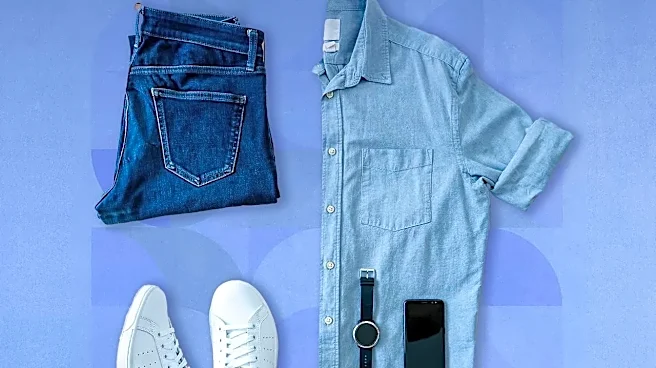
The topcoat’s origins may be rooted in formal and business attire, but its modern identity is far more flexible. A huge mistake is reserving it only for wear over a suit. One of the greatest strengths of a topcoat is its ability to elevate a casual outfit. Think of it as a sophisticated alternative to a bomber or denim jacket. A camel, navy, or charcoal topcoat looks incredibly sharp worn over a simple crewneck sweater, dark jeans, and leather sneakers. It can also be layered over a hoodie for a high-low streetwear look. By treating it as a formal-only piece, you miss out on dozens of opportunities to get more wear and value from this versatile investment.