






The Thinking Person’s Red Carpet
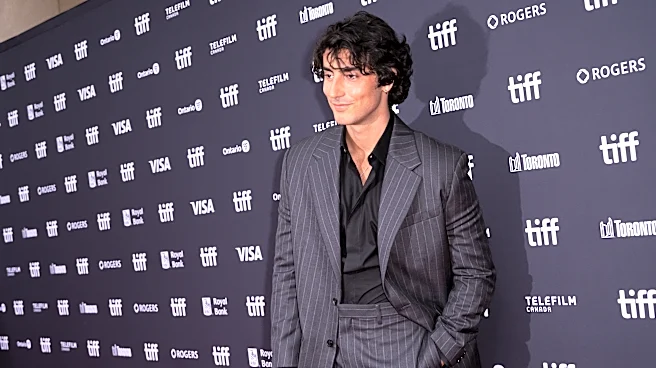
Unlike the high-stakes pageantry of the Oscars or the Riviera glamour of Cannes, the Toronto International Film Festival has always cultivated a different energy. It’s long been regarded as the “people’s festival,” a place where film lovers and creators
converge with a shared sense of purpose that feels more grounded and less about pure spectacle. This atmosphere naturally extended to its red carpets, which became a space for a more relaxed, authentic kind of style. Celebrities seemed to walk the Toronto carpets not just as stars, but as artists there to celebrate their work. The dress code, while still glamorous, was never as rigid or demanding as other top-tier events, creating a unique runway where personal style could shine more brightly than borrowed diamonds.
The Rise of 90s Minimalism
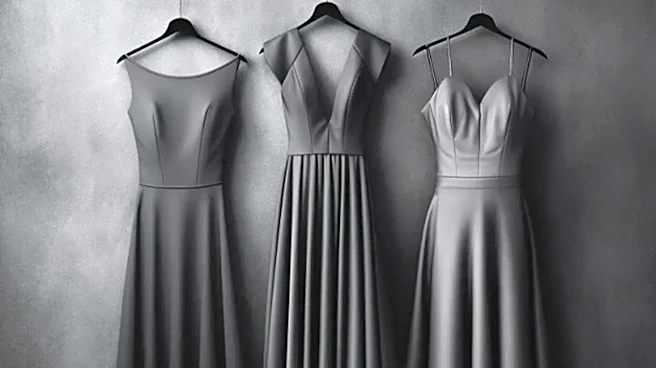
This laid-back environment became the perfect backdrop for the minimalist wave that defined 1990s fashion. As a direct reaction to the loud, bold, and often overwhelming styles of the ‘80s, the ‘90s ushered in an aesthetic of clean lines and pared-back simplicity. Designers like Calvin Klein, Helmut Lang, and Giorgio Armani championed a new uniform of quiet luxury. On the red carpet, this translated into the reign of the slip dress, the simple column gown, and the impeccably tailored suit. Icons of the era, from Gwyneth Paltrow in her sleek Calvin Klein dresses to Kate Moss in her barely-there slips, embodied this new ideal. Their style wasn't about shouting for attention; it was a confident whisper that suggested the clothes were secondary to the person wearing them. This was a look built on poise, not pageantry, and it found its spiritual home at a festival like TIFF.
Confidence as the Ultimate Accessory
What made this era of restraint feel so modern was the attitude it projected. Choosing a simple, unadorned gown in a sea of sequins and ruffles was a power move. It signaled a self-assurance that didn't require elaborate costuming. The wearer was the focus, not the dress. This shift was profound. It suggested a seriousness and a focus on craft that perfectly mirrored TIFF's own reputation as a festival centered on the art of filmmaking. A simple black dress wasn't boring; it was intentional. It was a palate cleanser that stripped away the noise and left only chic, effortless style. It implied that the actress was there to talk about her film, not just to model a designer's latest creation, a sentiment that resonated deeply with the festival's ethos.
A Legacy of Less is More
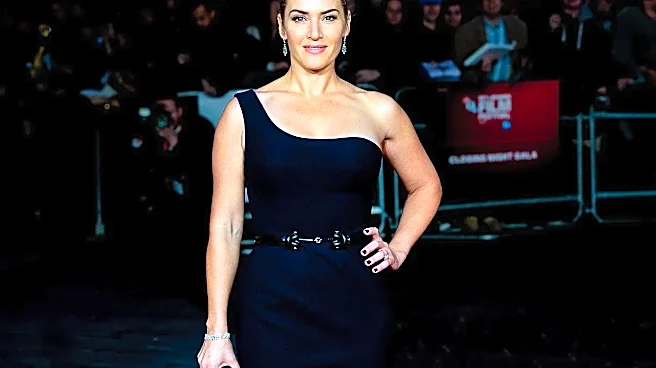
The pendulum of fashion always swings, but the legacy of that minimalist era endures. Every few years, as red carpets threaten to collapse under the weight of their own maximalism, the '90s ethos returns as a refreshing counterpoint. We see its influence in the timeless appeal of a little black dress, like the one Reese Witherspoon wore at TIFF in 2006, which remains a classic example of understated elegance. More recently, the trend has found a new generation of admirers. When Apple Martin wore her mother Gwyneth Paltrow's iconic 1996 Calvin Klein gown, it became a viral moment, proving that the clean lines and simple silhouette felt just as modern decades later. It’s a testament to the idea that true style isn't about chasing trends, but about embracing a point of view. The quiet confidence of '90s minimalism remains a timeless blueprint for looking effortlessly cool.