
The Brain's Myth-Making Machine
Our minds aren't perfect recording devices. Psychologists call it "rosy retrospection"—the tendency to remember past events as being more positive than they were in the moment. We selectively forget the bad
parts (the sunburn, the long wait for the bathroom) and amplify the good. When this happens on a mass scale after a shared event like a music festival, it becomes a form of collective memory. Research shows that the social element of these events—experiencing them with others and sharing stories afterward—is often more critical to forming a lasting, positive memory than the music itself. This shared storytelling smooths out the rough edges of an event, simplifies complex moments, and gradually polishes a mere performance into a flawless cultural touchstone. The Newport Folk Festival, with its rich history and passionate community, is the perfect incubator for this phenomenon.
Case Study: Dylan's Electric Controversy
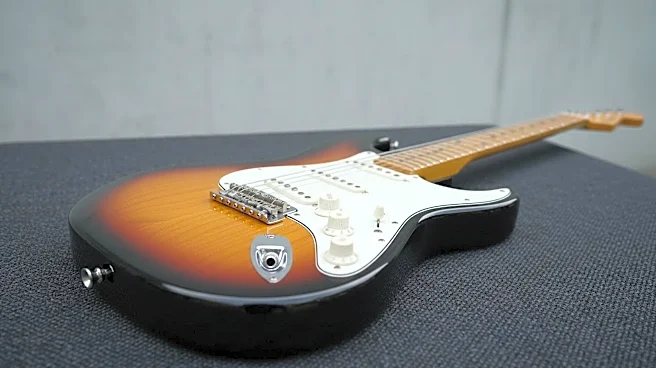
The most famous example is Bob Dylan's 1965 set. The legend is simple and dramatic: Dylan, the acoustic voice of a generation, plugs in an electric guitar and is booed off stage by folk purists for his betrayal. It’s a fantastic story, but the reality was far messier. Multiple accounts from that day suggest a chaotic mix of factors. The sound quality was reportedly terrible, with many in the crowd shouting that they simply couldn't hear his vocals over the band. The set was also surprisingly short, leaving many fans feeling shortchanged. While some booing was undoubtedly directed at the electric sound from purists (including, allegedly, festival board member Pete Seeger), it wasn't the unified rejection the legend suggests. Over time, memory has edited out the nuance, transforming a complicated moment of bad audio and confused expectations into a clear, powerful narrative of artistic rebellion. The myth became more potent than the reality.
The Power of the Comeback Narrative
Memory distortion doesn't just simplify the past; it amplifies moments that fit a powerful narrative. Johnny Cash's 1960s appearances, coming during a turbulent period in his life, were retroactively cast as part of his redemption arc. More recently, Joni Mitchell’s surprise performance in 2022 became an instant legend. Having been largely absent from the stage for two decades following a brain aneurysm, her appearance was profoundly emotional. Watching her sing classics like "Both Sides Now" became more than just a performance; it was a story of resilience made manifest. The audience wasn't just hearing a song; they were witnessing a miracle. The collective emotion of the moment, supercharged by her well-known health struggles, ensured that every note felt historic. The memory of the event is inseparable from the narrative of her triumphant return, making it far more powerful than a typical festival set.
Why We Need the Legends to Be Larger Than Life
Ultimately, this process of myth-making isn't a flaw; it's a feature of how culture works. These polished, simplified stories serve a purpose. They give communities a shared history and a set of common values. The story of Dylan going electric isn't just about one artist; it's a parable about tradition versus innovation that every generation grapples with. Joni Mitchell’s return isn’t just about her; it’s a testament to the endurance of the human spirit. These legends bind the Newport community together, creating a sense of identity rooted in moments that feel sacred. The festival's most iconic performances are a co-creation between the artist on stage and the thousands of individual minds in the audience who, together, choose what to remember and what to forget, turning fleeting sounds into permanent cultural fixtures.