




The Tears of a King
The blueprint for Portugal’s bittersweet tournament narrative was written in 1966. Led by the incomparable Eusébio, the “Black Panther,” Portugal dazzled England at their first-ever World Cup. Eusébio was the tournament's top scorer, a force of nature
who dragged his team through thrilling matches, including an iconic comeback from 3-0 down against North Korea. But in the semi-final against the hosts, England, the dream faltered. Despite a late penalty from their superstar, Portugal lost 2-1. The images of a tearful Eusébio leaving the pitch became an enduring symbol of Portuguese soccer: transcendent individual talent undone at the final hurdles. They finished third, a monumental achievement for a debutant, but the feeling that they were good enough for more, that they were robbed of a final by fate or circumstance, set a powerful precedent.
The Promise of Gold, The Agony of Silver
Decades later, the 'Golden Generation' emerged. With Luís Figo, Rui Costa, and João Pinto leading the way, this was arguably the most technically gifted and cohesive group of players the country had ever produced. They won back-to-back FIFA U-20 World Cups in 1989 and 1991, and the nation believed senior glory was an inevitability. It wasn't. At Euro 2000, they played some of the tournament's best soccer before losing a dramatic semi-final to France on a controversial golden-goal penalty. The ultimate heartbreak, however, came at Euro 2004. Hosting the tournament, they battled their way to the final in Lisbon, the entire nation expecting a coronation. Instead, they were stunned 1-0 by a dogged, defensive Greece in one of the biggest upsets in international soccer history. For a generation defined by promise, their story ended not with a trophy, but with the profound agony of losing the one that mattered most, on their own soil.
The Ronaldo Paradox and a Paris Miracle
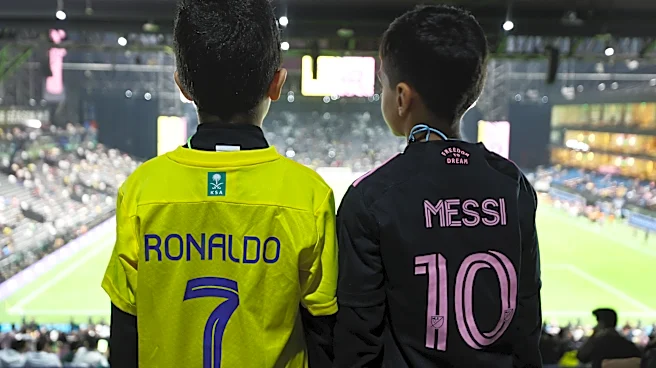
Then came Cristiano Ronaldo. For nearly two decades, the team’s identity has been shaped by one of the greatest players of all time. His era began with promise at the 2006 World Cup, where a young Ronaldo helped an experienced squad reach the semi-finals before falling to France. But in subsequent World Cups, the pattern returned: immense individual brilliance from Ronaldo often wasn't enough to overcome team-wide struggles or tough draws. The story felt familiar—until Euro 2016. In a stunning reversal of their own history, Portugal played the role of the pragmatic spoiler. They weren't the most beautiful team, but they were resilient. They reached the final against host-nation France, saw Ronaldo forced off with an early injury, and somehow found a way to win through an extra-time goal from an unlikely hero, Éder. It was the catharsis the nation craved, a glorious, gritty triumph that finally put a major trophy in the cabinet. Yet, it was an exception, a victory forged in pragmatism, not the flowing, attacking football of their national ideal.
A Wealth of Talent, A Lingering Question
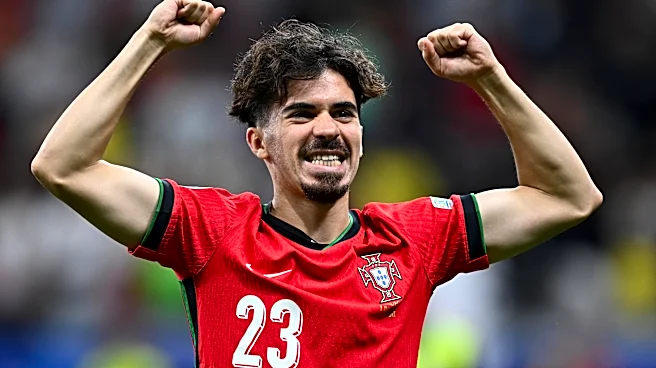
The Euro 2016 win complicated the narrative, but it didn't end it. In the years since, Portugal has arguably assembled its deepest and most star-studded squad ever. With players like Bernardo Silva, Bruno Fernandes, Rúben Dias, and João Félix starring for Europe's biggest clubs, expectations have remained sky-high. And yet, the 'unfinished' feeling persists, particularly at the World Cup. Their exit at the hands of Morocco in the 2022 quarter-finals was a perfect example. On paper, Portugal was the far superior team, but they were frustrated and eliminated, sending Ronaldo home from his likely last World Cup in tears—an echo of Eusébio more than 50 years earlier. The team possesses a wealth of creative genius but has often struggled to find the right tactical balance or mental fortitude to turn that talent into a dominant tournament run. The story is not one of failure, but of a potential so vast it makes anything less than the ultimate prize feel incomplete.