


The Problem of the Tall Frame
Professional sports are a haven for physical outliers. In basketball and football, extreme height and wingspan are often prerequisites for greatness. But these same genetic gifts can create a visual problem, especially off the court. Tall, lanky prospects—think
a 6'7" small forward or a 6'5" quarterback who hasn't filled out his frame yet—can appear gangly or disproportionate. Their long limbs and relatively narrow torsos can make them look less powerful or even 'unbalanced,' a word that sends shivers down a scout's spine. When a player walks into a draft-night green room or a pre-draft interview, first impressions are critical. A bespoke suit is supposed to project confidence and professionalism, but on an ultra-tall athlete, a standard cut can accentuate the exact things they want to downplay: a sloping shoulder line, a narrow chest, and a frame that looks like it's still developing.
The Tailor’s Secret: Strategic Padding
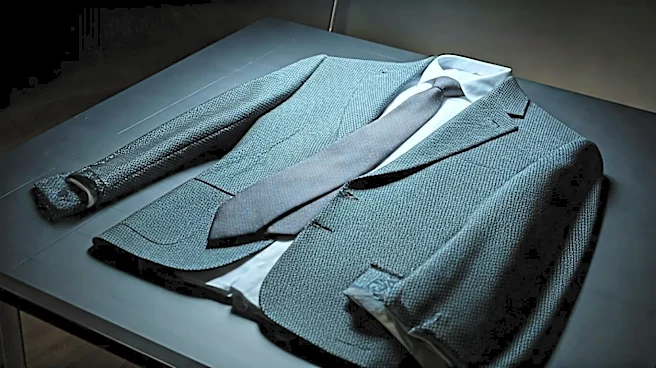
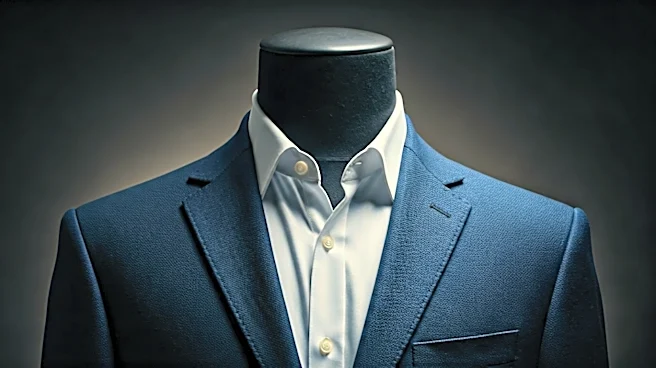
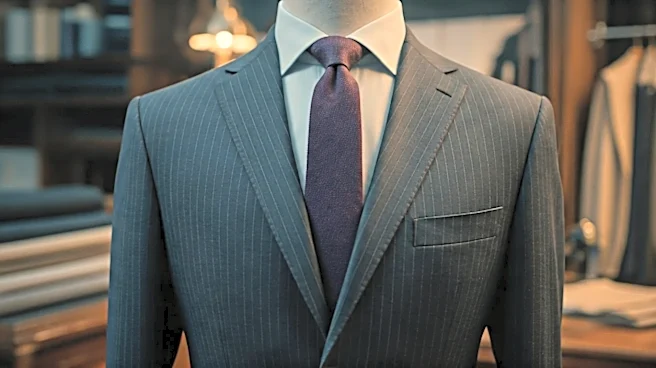
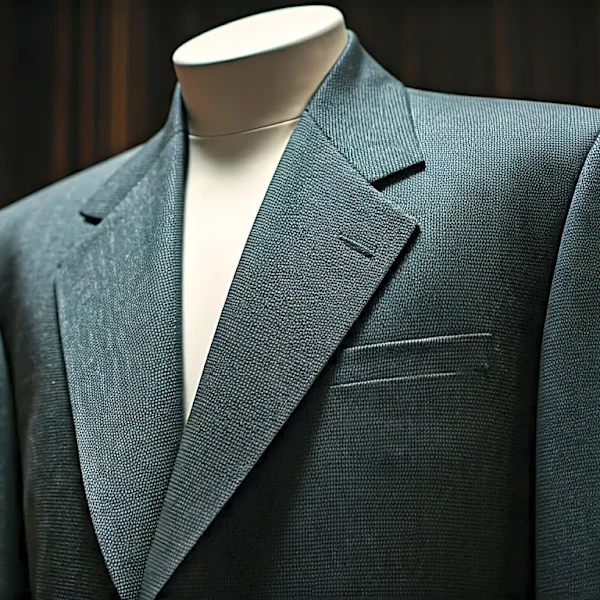
This is where the 'secret shoulder adjustment' comes in. It’s not a surgical procedure or a new-age biomechanical exercise. It's a masterful trick of tailoring, refined by designers who specialize in dressing elite athletes. The solution is the strategic use of shoulder pads. But forget the bulky, boxy shoulder pads of a 1980s power suit. Modern bespoke tailoring uses thin, meticulously sculpted layers of canvas and padding to subtly reshape a jacket's silhouette. For a tall, slender prospect, a tailor will often add a 'rope' to the shoulder seam—a small roll of fabric that builds up the edge—and a precisely cut pad. The goal isn't to make the player look like a linebacker if he isn’t one. Instead, it’s about creating a stronger, more horizontal shoulder line. This visual trick squares off the frame, making the prospect’s chest appear broader and their waist narrower by comparison. It crafts the coveted 'V-taper' silhouette that signals power and athleticism, effectively correcting the visual imbalance created by long arms and a high center of gravity.
The Psychology of Perception
Why does this matter so much? Because scouting is as much about psychology as it is about statistics and 40-yard dash times. General managers and coaches are making multi-million dollar bets on 20-year-old kids. They are looking for every possible clue about a player’s potential, and that includes non-verbal cues. A player who walks into a room looking powerful, composed, and balanced projects an aura of readiness. Their posture appears stronger, their presence more commanding. The custom-fit suit becomes a piece of armor, shaping not just the fabric but the perception of the man inside it. It helps a prospect look less like a promising kid and more like a finished product, a professional ready to step onto the biggest stage. This subtle visual boost can subconsciously reinforce a scout's positive assessment or, perhaps more importantly, quell any lingering doubts about a player’s physical maturity or 'frame potential.'
Who Benefits from the Adjustment?
This technique is most valuable for specific athletic archetypes. Lanky quarterbacks entering the NFL draft, who need to project a durable 'franchise' build, are prime candidates. So are the 'point forwards' and shooting guards in the NBA, whose value comes from their length but who can sometimes appear wiry. Think of a player with a massive wingspan but a naturally slim torso. A well-constructed jacket can prevent them from looking like all arms. It’s also a go-to move for defensive ends or outside linebackers who have the height and length but haven't yet added the 20 pounds of muscle their pro strength coach has planned for them. By presenting a broader, more filled-out silhouette on draft night, they are selling teams on the vision of what they *will* become. It’s a way of letting their presentation catch up to their potential.